
Why Does Coffee Make You Sweat?
Quick answer
- Coffee can make you sweat due to its stimulant effects, primarily from caffeine, which increases heart rate and metabolism.
- Caffeine can also trigger the release of adrenaline, a hormone that prepares the body for “fight or flight,” which includes activating sweat glands.
- Some individuals are more sensitive to caffeine’s physiological effects, leading to a more pronounced sweating response.
- The temperature of the coffee itself can also contribute to sweating, especially if consumed hot.
- Dehydration, which can be exacerbated by coffee’s mild diuretic effect, might also play a role in how your body regulates temperature.
- The specific brewing method and additives like sugar or milk can sometimes influence the overall reaction.
Key terms and definitions
- Caffeine: A natural stimulant found in coffee beans, tea leaves, and cocoa beans, known for its effects on the central nervous system.
- Adrenaline (Epinephrine): A hormone produced by the adrenal glands that increases heart rate, blood pressure, and energy supply, often released during stress or excitement.
- Metabolism: The chemical processes that occur within a living organism in order to maintain life, including the conversion of food to energy.
- Vasodilation: The widening of blood vessels, which can increase blood flow to the skin’s surface and contribute to heat loss and sweating.
- Diuretic: A substance that promotes the production of urine, potentially leading to increased fluid loss.
- Thermoregulation: The body’s ability to maintain a stable internal body temperature, regardless of external influences.
- Sympathetic Nervous System: Part of the autonomic nervous system that controls involuntary bodily functions such as heart rate, digestion, and respiratory rate, often associated with the “fight or flight” response.
- Sensitivity: The degree to which an individual reacts to a particular substance or stimulus.
- Dehydration: A condition in which the body loses more fluid than it takes in, leading to a deficiency of water.
- Acidity: In coffee, this refers to the bright, tangy, or sharp flavors, not necessarily the pH level.
How it works
- Caffeine acts as a stimulant by blocking adenosine, a neurotransmitter that promotes relaxation and sleepiness.
- This blockage leads to increased alertness and can also stimulate the release of other neurotransmitters like dopamine and norepinephrine.
- The increased activity in the nervous system can signal the body to prepare for action, including increasing heart rate and metabolic rate.
- A heightened metabolic rate generates more internal heat, prompting the body to cool down.
- The sympathetic nervous system, activated by caffeine, can directly stimulate the eccrine sweat glands, which are responsible for producing sweat for temperature regulation.
- Caffeine can also influence the release of adrenaline, which further primes the body for activity and can trigger sweating.
- Some research suggests caffeine might cause minor vasodilation in certain blood vessels, potentially bringing more blood closer to the skin’s surface.
- This increased blood flow, combined with the body’s effort to cool itself, can lead to a noticeable increase in perspiration.
- The process is a complex interplay between the nervous system, hormones, and metabolic activity.
- For some, the sheer warmth of a hot cup of coffee can initiate a sweating response as the body tries to equalize temperature.
If you’re looking to understand the effects of caffeine more deeply, consider exploring caffeine supplements to see how they impact your body’s responses.
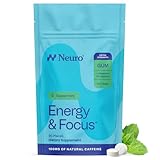
- Fast-Acting Nootropic - Our energy supplements deliver an extra boost of energy and clarity with a blend of natural caffeine, L-theanine, and vitamin b6 & b12. Your go-to chewing gum for work, exercise, and daily focus!
- Clean Energy - Each piece of our sugar free gum delivers 100mg of natural caffeine from green coffee beans for a smooth energy boost without crashes or jitters.
- The Perfect Balance - With 60mg of L-theanine per piece, our energy and focus formula promotes enhanced focus and stress reduction to smooth energy boosts.
- How to Use - Chew one piece of the caffeine gum whenever focus or energy is lacking. Ideal for mornings, pre-workout, or afternoon slumps. Effects typically kick in within minutes thanks to optimal absorption through the mouth.
- Made by Neuro, Backed by Science - At Neuro, we combine neuroscience with clean, science backed ingredients to help you do more, think better, and feel your best every single day.
What affects the result
- Caffeine Content: The amount of caffeine in your coffee directly influences the stimulant effect. Espresso has less volume but a higher concentration of caffeine per ounce than drip coffee.
- Individual Sensitivity: People metabolize caffeine at different rates. Some are genetically predisposed to be more or less sensitive to its effects.
- Amount Consumed: Drinking multiple cups of coffee in a short period will naturally increase the total caffeine intake and potential for sweating.
- Brewing Method: Different brewing methods extract varying amounts of caffeine and other compounds. For example, cold brew typically has lower acidity and can extract caffeine differently.
- Additives: Sugar, cream, or artificial sweeteners can sometimes affect digestion and blood sugar levels, which might indirectly influence your body’s response.
- Hydration Levels: If you are already dehydrated, your body might have a more pronounced reaction to the mild diuretic effect of coffee.
- Activity Level: Consuming coffee before or during physical activity will amplify the sweating response, as your body is already working to cool down.
- Ambient Temperature: Sweating is a natural response to heat. Drinking coffee in a warm environment will make any caffeine-induced sweating more noticeable.
- Diet: What you eat alongside your coffee can impact how your body processes it. Fatty foods, for instance, can slow digestion.
- Medications and Health Conditions: Certain medications or underlying health issues can affect your body’s response to stimulants or its ability to regulate temperature.
- Type of Bean and Roast: While less significant than caffeine content, different coffee beans and roast levels can have subtle differences in their chemical composition that might play a minor role.
- Time of Day: Your body’s natural circadian rhythms and stress hormone levels can fluctuate, potentially influencing how you react to caffeine at different times.
Pros, cons, and when it matters
- Pro: Increased Alertness: Caffeine’s primary benefit is its ability to combat fatigue and improve focus, which can be crucial for productivity.
- Con: Sweating: For some, the resulting perspiration can be uncomfortable, embarrassing, or a sign of overstimulation.
- Pro: Enhanced Physical Performance: Caffeine can improve endurance and reduce perceived exertion during exercise.
- Con: Potential for Jitters or Anxiety: Overconsumption or high sensitivity can lead to restlessness, anxiety, and even panic attacks in some individuals.
- Pro: Mood Enhancement: Caffeine can boost mood and feelings of well-being due to its effect on dopamine.
- Con: Sleep Disruption: Consuming coffee too late in the day can interfere with sleep patterns, especially for sensitive individuals.
- Pro: Antioxidant Properties: Coffee contains antioxidants that may offer health benefits.
- Con: Digestive Issues: For some, coffee can trigger heartburn or an upset stomach, sometimes exacerbated by the increased metabolic activity.
- Pro: Social Ritual: Coffee drinking is a common social activity and a comforting daily ritual for many.
- Con: Dehydration Risk: While debated, the mild diuretic effect means you should ensure adequate fluid intake if you’re a heavy coffee drinker.
- Pro: Cognitive Boost: Beyond alertness, caffeine can improve certain aspects of cognitive function, like memory recall.
- Con: Dependence: Regular caffeine consumption can lead to physical dependence, with withdrawal symptoms like headaches if stopped abruptly.
- When it Matters: This is particularly relevant for individuals sensitive to stimulants, those with anxiety disorders, or people who need to manage their physiological responses for professional or athletic reasons. It also matters if you’re seeking to optimize your daily energy levels without experiencing uncomfortable side effects.
Common misconceptions
- Myth: Only hot coffee makes you sweat. While hot beverages can contribute to heat-induced sweating, the caffeine in any temperature of coffee can trigger sweat glands.
- Myth: Sweating from coffee means you’re “detoxing.” Sweating is primarily a thermoregulatory process; it’s not a mechanism for expelling toxins in this context.
- Myth: All coffee makes everyone sweat the same amount. Individual sensitivity to caffeine varies greatly, meaning reactions can differ significantly from person to person.
- Myth: Decaf coffee won’t make you sweat. Decaffeinated coffee still contains small amounts of caffeine, which can be enough to cause a reaction in highly sensitive individuals.
- Myth: Coffee directly causes dehydration. While coffee has a mild diuretic effect, moderate consumption is unlikely to cause significant dehydration in most people who drink other fluids.
- Myth: Sweating is always a bad sign. For some, a slight increase in perspiration might just be a normal physiological response to stimulation and increased metabolism.
- Myth: Adding milk or sugar stops the sweating effect. While these can affect digestion, they don’t negate the stimulant properties of caffeine itself.
- Myth: The acidity of coffee causes sweating. The chemical compounds responsible for acidity are different from those that stimulate sweating, though some might be present in the same brew.
- Myth: You need to drink a lot of coffee to sweat. For very sensitive individuals, even a small amount of caffeine can be enough to trigger a noticeable response.
- Myth: Sweating from coffee is a sign of poor health. In most cases, it’s a normal physiological reaction to a stimulant, not an indicator of illness.
FAQ
Q: Can coffee make me sweat more than other caffeinated drinks?
A: It depends on the caffeine content. Coffee often has a higher concentration of caffeine per serving than tea or soda, so it can lead to more noticeable sweating for some.
Q: Is sweating from coffee a sign that it’s working too hard?
A: Not necessarily. It’s often a normal response to the stimulant effects of caffeine increasing your metabolism and body temperature.
Q: How can I reduce sweating after drinking coffee?
A: Try drinking less coffee, opting for decaf, staying well-hydrated with water, and avoiding very hot coffee. You might also consider the time of day you consume it.
Q: Does the type of coffee bean affect sweating?
A: While caffeine content is the primary driver, subtle differences in bean composition and roast might have minor impacts. However, caffeine levels are the most significant factor.
Q: Can I still enjoy coffee if it makes me sweat?
A: Yes. Many people manage their caffeine intake, drink it in moderation, or choose lower-caffeine options to enjoy coffee without excessive sweating.
Q: Is sweating from coffee harmful?
A: For most people, sweating from coffee is not harmful; it’s a common physiological reaction. However, if it causes significant discomfort or anxiety, it might be a sign to reduce your intake.
Q: Does cold brew coffee make you sweat less?
A: Cold brew can sometimes have slightly different caffeine extraction levels and less acidity, which might lead to a milder reaction for some, but it still contains caffeine.
Q: What if I sweat a lot from just one cup?
A: This suggests you have a higher sensitivity to caffeine. You might benefit from switching to decaf or consuming very small amounts infrequently.
What this page does NOT cover (and where to go next)
- Specific medical advice for excessive sweating or health conditions. Consult a healthcare professional for personalized guidance.
- Detailed nutritional breakdowns of different coffee additives. Refer to food and nutrition resources for this information.
- Brand-specific recommendations for low-caffeine coffee. Explore coffee retailer information for product details.
- Advanced brewing techniques and equipment reviews. Look for specialized coffee brewing guides and reviews.