
Coffee vs. Energy Drinks: Why Coffee Can Cause Fatigue
Quick answer
- Coffee’s caffeine can temporarily block adenosine receptors, delaying fatigue.
- Once caffeine wears off, a “crash” can occur as adenosine floods receptors, leading to sudden tiredness.
- Dehydration from coffee’s diuretic effect can contribute to fatigue.
- Added sugar in many coffee drinks can cause blood sugar spikes and subsequent crashes.
- Energy drinks often contain higher caffeine levels and other stimulants, masking fatigue more intensely.
- Individual sensitivity and metabolism play a significant role in how caffeine affects you.
What this problem usually is (and is not)
- This issue is often related to the physiological effects of caffeine and your body’s response, not necessarily a sign of a severe health problem.
- It is commonly a result of caffeine withdrawal or the way your body processes caffeine and other ingredients.
- It is usually not an indication that coffee itself is inherently “bad” for you, but rather how and when you consume it.
- This feeling of fatigue is typically not a permanent condition and can often be managed by adjusting your coffee habits.
Likely causes (triage list)
- Adenosine Rebound: Caffeine blocks adenosine, a chemical that promotes sleep. When caffeine wears off, adenosine can flood receptors, causing sudden tiredness.
- How to confirm: Notice if fatigue hits a few hours after your last coffee, especially if you consume it regularly.
- Dehydration: Coffee is a mild diuretic. Insufficient water intake alongside coffee can lead to dehydration, a common cause of fatigue.
- How to confirm: Check your daily water intake and urine color. Darker urine can indicate dehydration.
- Blood Sugar Crash: Many coffee drinks, especially those from cafes, contain significant amounts of sugar. A rapid rise in blood sugar followed by a sharp drop can cause fatigue.
- How to confirm: Observe if you feel tired after consuming sugary coffee beverages, particularly on an empty stomach.
- Caffeine Tolerance/Withdrawal: Regular high caffeine intake can lead to tolerance. Reducing intake or missing your usual dose can trigger withdrawal symptoms, including fatigue.
- How to confirm: If you feel tired on days you don’t drink coffee or drink less than usual, it might be withdrawal.
- Sleep Quality: Coffee consumed too late in the day can disrupt sleep patterns, leading to overall fatigue despite caffeine’s immediate effects.
- How to confirm: Track your sleep duration and quality. If you drink coffee past midday and struggle to sleep, this could be a factor.
- Individual Metabolism: People metabolize caffeine at different rates due to genetic factors. “Fast metabolizers” might feel less effect, while “slow metabolizers” might feel more prolonged effects and a more pronounced crash.
- How to confirm: Pay attention to how quickly you feel the effects of caffeine and how long they last compared to others.
- Other Stimulants in Energy Drinks: Energy drinks often contain other ingredients like taurine, B vitamins, and high sugar levels that can provide a different kind of energy boost, potentially masking fatigue more effectively than plain coffee.
- How to confirm: Compare your reaction to plain black coffee versus an energy drink with additional ingredients.
Dehydration can significantly contribute to fatigue, especially when drinking coffee. Ensuring you’re adequately hydrated with hydration supplements can make a big difference.

- FAST HYDRATION: Science-based electrolyte powder formula hydrates faster than water alone; useful to rehydrate on-the-go for athletes, sports, outdoor activities, travel, and hot days.
- ELECTROLYTE FORMULA: Delivers 3x electrolytes and half the sugar than leading sports drinks in a portable, easy-mix great tasting hydration powder.
- INGREDIENT-CONSCIOUS: Non-GMO, Gluten Free, Vegan, Soy-Free, Dairy-Free, and Kosher; includes potassium, magnesium, zinc, and vitamin C for added immune support, with natural colors from fruit and vegetable juices.
- SINGLE-SERVE CONVENIENCE: Includes 16 portable electrolyte packets that are easy to carry in a gym bag, backpack, purse, desk or pantry; a simple way to keep hydration packets on hand for daily use, workouts, commuting, and travel days.
- DELICIOUS FLAVOR: Men's Journal Fitness Award for the Best-Tasting Hydration Drink. Enjoy Watermelon, Berry, Lemon, and Orange flavors in one pouch. Mix 1 packet into 8 oz of water for on-the-go hydration.
If you’re experiencing that sudden tiredness a few hours after your coffee, it might be due to adenosine rebound. Consider exploring adenosine blockers to help manage this effect.

- TalkTools Jaw Grading Bite Blocks are essential in OPT, supporting various clinical needs, from symmetrical jaw strength to stability and grading. They also help assess and treat conditions like articulation, apraxia, dysarthria, and OMDs
- Comprehensive Therapy Aid: Specially made for weak jaw muscles, these blocks are crucial for speech and feeding evaluations. They help with muscle memory and are essential for therapists treating different disorders
- Efficient Kit: Includes two sets of six Bite Blocks and an instruction booklet. Emphasizes reusability, durability, and easy cleaning for continuous therapist support
- Safe Clinical Environment: These biting blocks maintain patient comfort and prevent unnecessary fatigue during dental procedures. Their design keeps jaws apart for efficient clinical outcomes
- Orthodontic Support: Use biting blocks to prevent upper and lower teeth contact during orthodontic treatment, reducing the risk of bracket breakage and improving bite
Fix it step-by-step (brew workflow)
1. Monitor Your Caffeine Intake:
- What to do: Keep a log of how much caffeine you consume daily, including all sources (coffee, tea, soda, energy drinks).
- What “good” looks like: Staying within recommended daily limits (generally up to 400 mg for most healthy adults).
- Common mistake: Underestimating total caffeine intake. Avoid by reading labels and using standard estimates (e.g., 95 mg per 8 oz brewed coffee).
2. Hydrate Adequately:
- What to do: Drink a glass of water for every cup of coffee you consume.
- What “good” looks like: Maintaining clear or pale yellow urine throughout the day.
- Common mistake: Only drinking coffee. Avoid by keeping a water bottle handy and sipping regularly.
3. Choose Your Coffee Wisely:
- What to do: Opt for black coffee or coffee with minimal added sugar and cream.
- What “good” looks like: Enjoying coffee without a subsequent sugar crash.
- Common mistake: Consuming sugary, high-calorie coffee beverages. Avoid by making coffee at home or ordering simple options.
4. Time Your Coffee Consumption:
- What to do: Avoid coffee within 6-8 hours of your bedtime to prevent sleep disruption.
- What “good” looks like: Falling asleep easily and waking refreshed.
- Common mistake: Drinking coffee late in the afternoon or evening. Avoid by switching to decaf or herbal tea later in the day.
5. Gradually Reduce Caffeine if Needed:
- What to do: If you suspect caffeine dependence, slowly decrease your daily intake over several days or weeks.
- What “good” looks like: Experiencing fewer withdrawal symptoms like headaches or extreme fatigue.
- Common mistake: Quitting cold turkey, which can lead to severe withdrawal. Avoid by cutting back by about 25% each week.
6. Ensure Quality Sleep:
- What to do: Prioritize 7-9 hours of quality sleep per night.
- What “good” looks like: Waking naturally feeling rested.
- Common mistake: Relying on coffee to compensate for poor sleep. Avoid by establishing a consistent sleep schedule and a relaxing bedtime routine.
7. Consider Your Diet:
- What to do: Eat balanced meals with complex carbohydrates, protein, and healthy fats to maintain stable blood sugar.
- What “good” looks like: Sustained energy throughout the day without significant energy dips.
- Common mistake: Skipping meals or relying on sugary snacks. Avoid by planning meals and carrying healthy snacks.
8. Understand Energy Drink Ingredients:
- What to do: Read labels of energy drinks to understand their caffeine content and other stimulants.
- What “good” looks like: Making informed choices about what you consume.
- Common mistake: Assuming all caffeinated beverages have the same effect. Avoid by being aware that energy drinks often have higher caffeine and other stimulating compounds.
Prevent it next time
- Regular Sleep Schedule: Maintain consistent bedtimes and wake times, even on weekends.
- Balanced Hydration: Drink plenty of water throughout the day, especially when consuming coffee.
- Mindful Coffee Choices: Opt for black coffee or unsweetened options to avoid sugar crashes.
- Caffeine Timing: Limit coffee intake to the first half of your day to protect sleep quality.
- Gradual Reduction: If you’re a heavy coffee drinker, gradually reduce intake to avoid withdrawal fatigue.
- Nutrient-Rich Diet: Fuel your body with balanced meals to prevent energy dips.
- Listen to Your Body: Pay attention to how coffee makes you feel and adjust consumption accordingly.
- Intermittent Breaks: Consider occasional “caffeine holidays” to reset your tolerance.
Common mistakes (and what happens if you ignore them)
| Mistake | What it causes | Fix |
|---|---|---|
| Drinking coffee too late in the day | Disrupts sleep, leading to overall fatigue and reliance on more coffee the next day. | Limit coffee consumption to before 2-3 PM or 6-8 hours before bedtime. |
| Consuming sugary coffee beverages | Blood sugar spikes followed by crashes, leading to sudden fatigue and cravings. | Choose black coffee, unsweetened options, or add minimal natural sweeteners. |
| Not drinking enough water | Dehydration, which exacerbates fatigue, headaches, and reduces cognitive function. | Drink a glass of water with each cup of coffee and throughout the day. |
| Relying on coffee to mask poor sleep | Creates a cycle of poor sleep and caffeine dependence, never addressing the root cause of fatigue. | Prioritize 7-9 hours of quality sleep consistently. |
| Rapidly increasing caffeine intake | Leads to increased tolerance, making higher doses necessary for the same effect, and a harder crash. | Gradually increase caffeine if needed, or take caffeine breaks to reset tolerance. |
| Ignoring withdrawal symptoms | Prolonged headaches, irritability, and severe fatigue when attempting to reduce coffee. | Taper caffeine intake slowly over several days or weeks. |
| Confusing coffee with energy drinks | Underestimating the higher caffeine and additional stimulants in energy drinks, leading to overconsumption. | Read labels carefully; understand that energy drinks often have more potent effects. |
| Drinking coffee on an empty stomach | Can lead to stomach upset and a more pronounced caffeine “jolt” and subsequent crash. | Eat a balanced breakfast or snack before or with your first cup of coffee. |
| Over-reliance on caffeine for energy | Masks underlying fatigue from other causes (e.g., diet, stress, medical conditions). | Address diet, sleep, stress, and consult a doctor if fatigue persists. |
Decision rules (simple if/then)
- If you feel tired shortly after your coffee, then consider if it was a sugary drink because a sugar crash can cause sudden fatigue.
- If you consistently feel a “crash” a few hours after coffee, then it’s likely an adenosine rebound because caffeine’s blocking effect is wearing off.
- If you experience headaches and fatigue on days you skip coffee, then you might be experiencing caffeine withdrawal because your body is dependent.
- If you drink coffee past lunchtime and struggle to sleep, then shift your coffee consumption earlier in the day because caffeine has a long half-life.
- If your urine is dark yellow after drinking coffee, then increase your water intake because you might be dehydrated.
- If energy drinks make you feel more alert than coffee without the crash, then check their ingredient list because they often contain more stimulants or different compounds.
- If you frequently rely on coffee to get through the day, then evaluate your sleep quality and duration because insufficient sleep is often the root cause of chronic fatigue.
- If you feel jittery or anxious after coffee, then reduce your serving size or switch to a lower-caffeine option because you might be overstimulated.
- If you consistently feel fatigued despite adjusting coffee habits, then consult a healthcare professional because there might be an underlying medical condition.
FAQ
- Why does coffee make me tired but not energy drinks? Coffee can make you tired due to the “adenosine rebound” effect or a sugar crash. Energy drinks often contain higher caffeine doses and other stimulants like taurine or B vitamins, which can mask fatigue more intensely and for longer, potentially leading to a more severe crash later.
- Is it normal to feel tired after coffee? It can be normal, especially if you’re experiencing a caffeine crash as the effects wear off, or if you’ve consumed a sugary coffee drink. It’s also common if you’re chronically sleep-deprived and using coffee to compensate.
- Can dehydration from coffee cause fatigue? Yes, coffee is a mild diuretic. If you don’t drink enough water alongside your coffee, dehydration can set in, leading to symptoms like fatigue, headaches, and reduced concentration.
- How can I prevent the coffee crash? To prevent the crash, try to limit sugary coffee drinks, stay well-hydrated, time your coffee consumption to avoid sleep disruption, and consider gradually reducing your overall caffeine intake to lower tolerance.
- Do energy drinks have more caffeine than coffee? Not always, but many popular energy drinks contain significantly more caffeine per serving than an average cup of coffee. Always check the label for exact caffeine content.
- What is adenosine rebound? Adenosine is a natural chemical in your brain that promotes relaxation and sleep. Caffeine blocks adenosine receptors. When caffeine wears off, all the built-up adenosine can flood these receptors, leading to a sudden and intense feeling of tiredness.
If you find yourself relying on coffee but want more control over your intake or are curious about alternatives, caffeine supplements offer a way to manage your caffeine consumption.
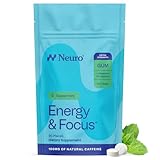
- Fast-Acting Nootropic - Our energy supplements deliver an extra boost of energy and clarity with a blend of natural caffeine, L-theanine, and vitamin b6 & b12. Your go-to chewing gum for work, exercise, and daily focus!
- Clean Energy - Each piece of our sugar free gum delivers 100mg of natural caffeine from green coffee beans for a smooth energy boost without crashes or jitters.
- The Perfect Balance - With 60mg of L-theanine per piece, our energy and focus formula promotes enhanced focus and stress reduction to smooth energy boosts.
- How to Use - Chew one piece of the caffeine gum whenever focus or energy is lacking. Ideal for mornings, pre-workout, or afternoon slumps. Effects typically kick in within minutes thanks to optimal absorption through the mouth.
- Made by Neuro, Backed by Science - At Neuro, we combine neuroscience with clean, science backed ingredients to help you do more, think better, and feel your best every single day.
What this page does NOT cover (and where to go next)
- Specific medical conditions that cause chronic fatigue (consult a doctor).
- Detailed nutritional breakdowns of various energy drinks or coffee beverages.
- In-depth pharmacological effects of all stimulants found in energy drinks.
- Recipes for low-sugar coffee alternatives.
- Advanced strategies for managing caffeine addiction (seek professional guidance).