
Do You Need Coffee Beans For Espresso?
Quick answer
- Yep, you absolutely need coffee beans to make espresso.
- Espresso is a brewing method, not a type of bean.
- The beans are ground super fine for espresso.
- It’s all about pressure and extraction time.
- You can use pretty much any type of roasted coffee bean.
Key terms and definitions
- Espresso: A concentrated coffee beverage brewed by forcing hot, pressurized water through finely-ground coffee beans.
- Coffee Beans: The seeds of coffee cherries, roasted and then ground for brewing.
- Roasting: The process that develops the flavor and aroma of coffee beans.
- Grind Size: How finely or coarsely the coffee beans are ground. Espresso requires a very fine grind.
- Extraction: The process of dissolving soluble compounds from coffee grounds into water.
- Pressure: A key element in espresso brewing, typically around 9 bars.
- Crema: The reddish-brown foam that sits atop a well-pulled espresso shot.
- Portafilter: The handle-like device that holds the ground coffee for an espresso machine.
- Tamping: Compressing the ground coffee in the portafilter to create an even puck.
- Barista: The person who prepares and serves espresso-based coffee drinks.
How it works
- It all starts with roasted coffee beans. No beans, no coffee. Simple as that.
- These beans get ground down to a super-fine consistency. Think flour, not sand.
- The fine grounds go into a portafilter. This is where the magic happens.
- You then tamp the grounds down. This creates a dense, even puck.
- The portafilter locks into the espresso machine.
- Hot water, around 200°F, is forced through the grounds under high pressure. We’re talking 9 bars, give or take.
- This high-pressure water quickly extracts the coffee’s oils and flavors.
- The result? A small, intense shot of coffee with a layer of crema on top.
- It’s a fast process, usually 25-30 seconds for a shot.
It all starts with roasted coffee beans. No beans, no coffee. Simple as that. For a classic espresso experience, consider trying these high-quality espresso beans.
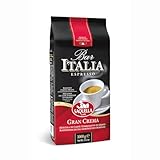
- AUTHENTIC ITALIAN ESPRESSO EXPERIENCE: From Saquella Caffè, family coffee roasters in Italy since 1856 — blending heritage, passion, and quality in every bean.
- FULL-BODIED & CREAMY FLAVOR: A signature Arabica and Robusta blend that delivers a bold espresso with a thick, velvety crema and lingering chocolate notes.
- MEDIUM-DARK ROAST: Carefully roasted for a rich aroma and balanced taste — smooth yet intense, ideal for espresso, cappuccino, or macchiato.
- CONSISTENT QUALITY: Beans are slow-roasted and expertly blended to ensure uniform extraction and a true Italian café-style experience at home.
- MADE IN ITALY: Imported directly from Italy — Saquella Bar Italia Gran Crema is the choice of professional baristas and espresso lovers worldwide.
What affects the result
- Bean Type: While you can use any roasted bean, different origins and roasts will taste different. Darker roasts are classic for espresso, but lighter ones can be interesting too.
- Roast Level: A medium to dark roast is traditional for its bold, chocolatey notes. Lighter roasts can bring out more acidity and fruitiness.
- Bean Freshness: Freshly roasted beans are key. Old beans lose their volatile compounds, leading to flat espresso. Aim for beans roasted within the last few weeks.
- Grind Size: This is HUGE. Too coarse, and water rushes through, resulting in weak, sour espresso. Too fine, and it chokes the machine or becomes bitter. Dialing this in is an art.
- Tamping Pressure: Consistent and firm tamping creates an even puck, preventing channeling (where water finds weak spots and rushes through).
- Water Temperature: Too hot, and you’ll scorch the coffee, making it bitter. Too cool, and you won’t extract enough, leading to a sour shot. The sweet spot is usually between 195-205°F.
- Water Quality: Filtered water is best. Tap water can have minerals that affect taste or build up in your machine.
- Brew Ratio: The ratio of dry coffee grounds to the final espresso yield. A common starting point is 1:2 (e.g., 18g of coffee to 36g of espresso).
- Brew Time: The duration of the shot. Too fast, and it’s underextracted. Too slow, and it’s overextracted. Aim for that 25-30 second window.
- Machine Pressure: Most quality espresso machines deliver around 9 bars of pressure. Lower pressure won’t extract properly.
- Dose: The amount of ground coffee used in the portafilter. This needs to be consistent for repeatable results.
- Distribution: How evenly the grounds are spread in the portafilter before tamping. Uneven distribution leads to channeling.
Pros, cons, and when it matters
- Pro: Intense Flavor: Espresso packs a punch. It’s concentrated and complex. Great for a quick jolt.
- Con: Requires Specific Gear: You need an espresso machine and a good grinder. Not your average drip setup.
- Pro: Versatile Base: Espresso is the foundation for lattes, cappuccinos, americanos, and more.
- Con: Steep Learning Curve: Getting good espresso takes practice and attention to detail. It’s not always plug-and-play.
- Pro: Fast Brewing: A shot is made in under a minute. Perfect for busy mornings.
- Con: Small Yield: You get a small amount of liquid. If you like big mugs of coffee, you’ll need multiple shots.
- Pro: Rich Crema: That foamy top layer is a sign of a well-made shot and adds to the mouthfeel.
- Con: Can Be Bitter: If not brewed correctly, espresso can be unpleasantly bitter or sour.
- Pro: Highlights Bean Nuances: When brewed well, espresso can showcase the unique flavors of a specific coffee bean.
- Con: Costly Investment: Quality espresso equipment isn’t cheap.
- Matters When: You want a true coffee experience, enjoy espresso-based drinks, or appreciate the craft of coffee brewing.
- Matters Less When: You just want a simple, large cup of coffee and don’t want to fuss with equipment or technique.
Common misconceptions
- Myth: Espresso is a type of bean. Nope. It’s a brewing method. You use roasted coffee beans.
- Myth: You need special espresso beans. Not really. While some beans are marketed for espresso, you can use most medium to dark roasts.
- Myth: Espresso is always bitter. A well-pulled shot should be balanced, not overwhelmingly bitter. Bitterness usually means overextraction.
- Myth: Espresso machines are all the same. Big difference between a cheap home unit and a commercial-grade machine. Pressure and temperature control matter.
- Myth: You can make espresso with a Moka pot. Moka pots brew a strong, concentrated coffee, but it’s not true espresso because it lacks the high pressure.
- Myth: Espresso is just strong coffee. It’s more about the extraction process and pressure than just strength.
- Myth: You can use pre-ground coffee for espresso. You can, but it’s a recipe for disaster. The grind size needs to be perfect and consistent.
- Myth: More coffee equals better espresso. It’s about the right amount (dose) and the right grind, not just piling it in.
- Myth: Espresso is bad for your health. Like any coffee, moderation is key. It contains caffeine, so be mindful of intake.
FAQ
Q: Do I need to buy special “espresso beans”?
A: Not necessarily. Most medium to dark roasted coffee beans work well. The key is how they are roasted and, more importantly, how finely they are ground.
Q: Can I use regular ground coffee for espresso?
A: It’s highly discouraged. Regular ground coffee is too coarse for espresso machines. You’ll get a weak, watery shot.
Q: What’s the difference between espresso and drip coffee?
A: Espresso is brewed under high pressure with finely ground beans, resulting in a concentrated shot. Drip coffee uses gravity and coarser grounds for a larger, less intense brew.
Q: How fine does the coffee need to be for espresso?
A: Very fine. Think the consistency of powdered sugar or flour. A quality burr grinder is essential for this.
Q: Can I make espresso without an espresso machine?
A: True espresso requires high pressure, which only espresso machines provide. Devices like Moka pots make strong coffee, but it’s not technically espresso.
Q: What is crema and why is it important?
A: Crema is the reddish-brown foam on top of an espresso shot, formed by emulsified oils and CO2. It indicates a well-extracted shot and adds to the flavor and mouthfeel.
Q: How much coffee do I use for one shot of espresso?
A: A typical single shot uses about 7-10 grams of finely ground coffee. A double shot uses about 14-20 grams.
Q: Does the type of water matter for espresso?
A: Yes. Filtered water is recommended. Minerals in tap water can affect taste and build up in your machine over time.
What this page does NOT cover (and where to go next)
- Specific espresso machine recommendations. (Look for reviews comparing features and price points.)
- Detailed grinder comparisons. (Focus on burr grinders for consistency.)
- Advanced latte art techniques. (There are tons of tutorials online.)
- Troubleshooting specific machine issues. (Check your machine’s manual or manufacturer support.)
- Bean sourcing and origin deep dives. (Explore coffee blogs and roaster websites.)