
Drip Coffee Maker vs. Espresso Machine
Quick answer
- A drip coffee maker brews coffee by passing hot water through coffee grounds in a filter, relying on gravity.
- An espresso machine forces hot water under high pressure through finely-ground coffee, producing a concentrated shot.
- You cannot make true espresso with a standard drip coffee maker due to the lack of high pressure.
- Drip coffee makers are generally simpler to operate and maintain for daily brewing.
- Espresso machines offer a wider range of coffee beverages but require more skill and maintenance.
- The primary difference lies in pressure, grind size, and resulting coffee concentration and flavor profile.
Key terms and definitions
- Drip Coffee: A brewing method where hot water slowly drips through coffee grounds held in a filter basket, with gravity pulling the brewed coffee into a carafe.
- Espresso: A concentrated coffee beverage brewed by forcing a small amount of nearly boiling water under high pressure through finely-ground coffee beans.
- Crema: The reddish-brown foam that forms on top of a shot of espresso, formed by emulsified oils and carbon dioxide.
- Pressure: A critical factor in espresso brewing; espresso machines use 9 bars of pressure, while drip coffee makers use minimal to no applied pressure.
- Grind Size: The fineness of coffee grounds. Espresso requires a very fine grind, while drip coffee uses a medium grind.
- Brew Ratio: The proportion of coffee grounds to water used in brewing. This ratio differs significantly between drip coffee and espresso.
- Extraction: The process of dissolving soluble compounds from coffee grounds into water. This process is faster and more intense for espresso.
- Carafe: A glass or thermal pot used to collect brewed coffee from a drip coffee maker.
- Portafilter: A component of an espresso machine that holds the coffee grounds and attaches to the group head.
- Group Head: The part of an espresso machine where hot water is introduced to the coffee grounds in the portafilter.
How it works
- Drip Coffee Mechanism: Water is heated in a reservoir and then flows through a tube to a showerhead, which disperses it over the coffee grounds in a filter basket.
- Gravity’s Role: Gravity pulls the hot water through the grounds and the filter, allowing the brewed coffee to drip into the carafe below.
- Heating Element: A heating element, typically a metal plate or a thermoblock, heats the water to the optimal brewing temperature, usually between 195°F and 205°F.
- Water Flow: The water flow rate is controlled by the design of the showerhead and the heating element, aiming for a consistent saturation of the coffee bed.
- Espresso Machine Mechanism: Water is heated and then pumped under high pressure (typically 9 bars) towards the coffee grounds.
- Pressurized Extraction: This high pressure forces the water through a tightly packed puck of finely ground coffee within the portafilter.
- Concentrated Brew: The rapid and pressurized extraction yields a small volume of highly concentrated coffee, rich in oils and dissolved solids.
- Steam Wand (Optional): Many espresso machines include a steam wand to heat and froth milk for milk-based espresso drinks like lattes and cappuccinos.
- Pre-infusion (Advanced Machines): Some espresso machines offer a pre-infusion step, where a small amount of water is introduced at low pressure to saturate the grounds before the full pressure is applied, promoting even extraction.
What affects the result
- Water Quality: Filtered or spring water is best for both methods, as tap water can contain minerals that affect taste and clog machines.
- Coffee Bean Freshness: Freshly roasted and ground beans are crucial for optimal flavor in both drip coffee and espresso. Stale beans lead to flat or bitter results.
- Grind Size Consistency: For drip coffee, a medium, uniform grind is ideal. For espresso, a very fine, consistent grind is paramount; uneven grinds lead to channeling and poor extraction.
- Coffee-to-Water Ratio: The “golden ratio” for drip coffee is often cited as 1:15 to 1:18 (coffee to water by weight). Espresso typically uses a much tighter ratio, around 1:2 to 1:3.
- Water Temperature: For drip coffee, the ideal temperature is between 195°F and 205°F. Espresso machines maintain a similar temperature range, but the pressure is the differentiating factor.
- Brew Time/Extraction Time: Drip coffee typically brews for 4-6 minutes. Espresso extraction is much faster, usually taking 20-30 seconds.
- Pressure (Espresso): The 9 bars of pressure in an espresso machine are essential for creating crema and the characteristic flavor of espresso.
- Tamping (Espresso): Properly tamping the coffee grounds in the portafilter creates an even puck, preventing water from channeling and ensuring consistent extraction.
- Brewer Design: The showerhead design in drip coffee makers, the quality of the heating element, and the insulation of the carafe all influence the final cup.
- Espresso Machine Type: Different espresso machines (manual, semi-automatic, automatic, super-automatic) offer varying levels of control and automation, impacting the user experience and the consistency of the shot.
- Filter Type: Paper filters in drip coffee absorb more oils, leading to a cleaner cup. Metal filters allow more oils and fines through, resulting in a fuller body. Espresso machines use a metal basket.
Pros, cons, and when it matters
- Drip Coffee Maker Pros:
- Simplicity: Easy to operate and requires minimal learning curve.
- Volume: Brews larger quantities of coffee at once, ideal for households or offices.
- Cost: Generally much less expensive to purchase and maintain than espresso machines.
- Convenience: Set it and forget it operation for a quick cup.
- Versatility: Can brew various coffee styles by adjusting grind and coffee-to-water ratio.
- Drip Coffee Maker Cons:
- Limited Flavor Profile: Cannot produce the concentrated, intense flavors of espresso.
- Lower Quality Brewers: Cheaper models may not reach optimal brewing temperatures or offer consistent water distribution.
- Less Control: Fewer variables to adjust for fine-tuning the brew.
- Espresso Machine Pros:
- Concentration & Intensity: Produces rich, complex, and intense coffee shots.
- Versatility for Drinks: Essential for making lattes, cappuccinos, macchiatos, and other milk-based beverages.
- Flavor Nuance: Allows for the extraction of subtle flavor notes from high-quality beans.
- Crema: The signature crema indicates a well-pulled shot.
- Espresso Machine Cons:
- Complexity: Requires practice, skill, and understanding of variables like grind, tamping, and timing.
- Cost: Can be a significant investment, with high-end machines costing thousands.
- Maintenance: Regular cleaning and descaling are essential for performance and longevity.
- Time: Takes more time to prepare and clean up than a typical drip brew.
- Small Volume: Typically brews one or two shots at a time.
- When it Matters:
- Daily, large batches: Drip coffee makers are ideal for a quick, straightforward cup for one or many.
- Morning ritual, simple brew: If you just want a good cup of black coffee without fuss.
- Budget-conscious brewing: Drip machines are the clear choice for affordability.
- Espresso-based drinks: If you crave lattes, cappuccinos, or straight espresso, an espresso machine is necessary.
- Exploring coffee nuances: For enthusiasts who want to experiment with different beans and extraction methods.
- High-quality, intense coffee experience: When you want a small, potent, and flavorful coffee shot.
For those seeking simplicity and volume, a reliable drip coffee maker is an excellent choice. We recommend the [product name] for its ease of use and consistent results.
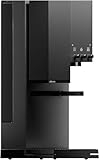
- 1. Three Levels of Automation for Any Skill Level: Choose from Autopilot, Copilot, or Free Solo mode. Autopilot handles the entire brewing process automatically. Copilot provides step-by-step guidance. Free Solo gives you full manual control. This coffee machine works for beginners and professional baristas alike.
- 2. Intuitive User Interface with Tactile Knobs and LED Matrix: The Studio features physical control knobs and a clear LED Matrix display. You can adjust grind size, water temperature, and flow rate in real time without navigating complicated touchscreen menus.
- 3. Full Customization via the xBloom App: Use the xBloom app to create, adjust, save, and share your favorite coffee recipes. Every brewing parameter can be fine-tuned and synced to the machine instantly. Your perfect cup is saved and repeatable.
- 4. Compostable xPod System for Minimal Waste and Maximum Flavor: Each xPod contains carefully selected whole beans and a built-in filter. Tap the recipe card, pour the beans into the grinder, place the pod into the dock, and press start. No capsules, no extra paper filters, no unnecessary waste.
- 5. What Is Included in the Box: The package includes the xBloom Studio, Omni Dripper 2 with Hyperflow Bottom, 10 paper filters, xPod Dock, Magnetic Dosing Cup, default recipe card, quick start guide, cleaning brush, universal power cord, and a 2-Year xbloom brand warranty. Everything you need is included—along with long-term peace of mind.
Common misconceptions
- “I can make espresso in my drip coffee maker.” This is false. Drip coffee makers lack the necessary high pressure (9 bars) required for true espresso extraction.
- “All coffee makers are the same.” This is untrue. Different brewing methods (drip, pour-over, French press, espresso) and machine types produce vastly different results.
- “Dark roast beans are always stronger.” Roast level affects flavor and aroma, but “strength” is subjective. A light roast can be just as caffeinated and have a bolder flavor profile if brewed correctly.
- “Espresso has more caffeine than drip coffee.” A single shot of espresso (1-2 oz) typically has less caffeine than a standard 8 oz cup of drip coffee. However, espresso is more concentrated.
- “You need expensive equipment for good coffee.” While high-end machines offer more control and consistency, excellent coffee can be made with basic equipment and good technique.
- “Pre-ground coffee is fine for any brewer.” While pre-ground coffee can be used in drip makers, it loses freshness quickly. For espresso, it’s almost always a recipe for poor results due to inconsistent grind and rapid staling.
- “Boiling water is best for coffee.” Water that is too hot (boiling) can scorch the coffee grounds, leading to bitterness. The ideal range is 195°F to 205°F.
- “More coffee grounds mean stronger coffee.” Overloading a brewer can lead to under-extraction and a weak, sour taste, or it can clog the brewer. Proper ratios are key.
- “Coffee makers clean themselves.” While some have cleaning cycles, regular manual cleaning of components like the brew basket, carafe, and portafilter is essential for optimal taste and machine longevity.
FAQ
- Can I use my drip coffee maker to make espresso?
No, a standard drip coffee maker cannot make true espresso. It lacks the high pressure (9 bars) required for espresso extraction. The resulting coffee will be drip coffee, not espresso.
- What is the main difference between drip coffee and espresso?
The primary differences are the brewing method, pressure, grind size, and resulting coffee concentration. Espresso uses high pressure and a fine grind for a concentrated shot, while drip coffee uses gravity and a coarser grind for a larger, less concentrated beverage.
- How do I get better tasting coffee from my drip coffee maker?
Use fresh, whole bean coffee and grind it just before brewing to a medium consistency. Use filtered water and ensure your machine brews at the correct temperature (195°F-205°F). Clean your machine regularly.
- What kind of grind do I need for drip coffee vs. espresso?
Drip coffee generally requires a medium grind, similar to table salt. Espresso requires a very fine grind, almost like powdered sugar, to withstand the high pressure.
- Is espresso stronger than drip coffee?
A single shot of espresso (1-2 oz) has less caffeine overall than a standard 8 oz cup of drip coffee. However, espresso is much more concentrated in flavor and oils due to the brewing method.
- Can I make milk-based drinks like lattes with a drip coffee maker?
No, you cannot make lattes or cappuccinos directly from a drip coffee maker. These drinks require a shot of espresso as their base, which a drip machine cannot produce.
- Why is my espresso bitter?
Bitter espresso is often caused by over-extraction. This can happen if the grind is too fine, the coffee is tamped too hard, the water is too hot, or the brew time is too long.
- What is crema, and why is it important?
Crema is the reddish-brown foam that sits atop a well-pulled shot of espresso. It’s formed by emulsified coffee oils and carbon dioxide and is considered an indicator of fresh beans and proper extraction.
What this page does NOT cover (and where to go next)
- Detailed maintenance guides for specific drip coffee maker or espresso machine models.
- Specific recommendations for brands or models of coffee makers or espresso machines.
- Advanced techniques for espresso dialing-in, such as adjusting for different bean origins or roast levels.
- The chemistry of coffee extraction and the specific compounds that contribute to flavor profiles.
- Comparisons of different types of espresso machines (e.g., manual vs. semi-automatic vs. super-automatic).