
High Caffeine Coffee at Home: Simple Brewing Tips
Quick answer
- Use a darker roast. It feels stronger and often has a bit more caffeine.
- Grind coarser for immersion methods, finer for drip. Get it right.
- Brew longer. Extraction time matters for caffeine.
- Use more coffee. More grounds = more caffeine.
- Keep it hot. Water temp is key for extraction.
- Don’t over-extract. Bitter coffee isn’t always stronger.
- Consider Robusta beans. They pack a serious punch.
Consider Robusta beans for a serious caffeine boost; they pack a punch that’s hard to beat.
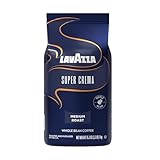
- SUPER CREMA: A 2.2 lb whole bean coffee bag ideal for espresso preparation
- INTENSITY AND ROAST: This full-bodied medium roast offers a bold and creamy finish
- BLEND: Made from Arabica and Robusta beans, this naturally caffeinated blend is sourced from 15 coffee-growing countries around the world
- PREPARATION: Ideal for espresso preparation.
- BREWING GUIDE FOR SINGLE ESPRESSO: 0.28 oz of ground espresso delivers a 1 oz espresso shot
Who this is for
- You’re a serious coffee drinker. You need that extra kick to get going.
- You’ve tried stronger brews but they just taste burnt. You want effective caffeine, not just bitter.
- You’re tired of relying on energy drinks. You want to master your morning cup.
What to check first
Brewer type and filter type
Your setup dictates a lot. Is it a drip machine, a French press, an AeroPress, or something else? Each has its own quirks. And the filter? Paper filters can trap some oils and solids, while metal filters let more through. For maximum caffeine, you might want to experiment with filter types.
Water quality and temperature
Tap water can have minerals that mess with flavor and extraction. Filtered water is usually best. And temperature? Too cool, and you won’t pull out enough caffeine. Too hot, and you risk burning the grounds. Aim for 195-205°F (90-96°C). That’s the sweet spot.
Grind size and coffee freshness
Freshly ground beans are a game-changer. Pre-ground stuff goes stale fast. Grind size is crucial. Too fine for a French press? You’ll get sludge and over-extraction. Too coarse for a pour-over? Weak coffee. Match your grind to your brewer.
Coffee-to-water ratio
This is where you can really dial in the caffeine. More coffee grounds for the same amount of water means a more concentrated, caffeinated brew. A good starting point is a 1:15 ratio (1 gram of coffee to 15 grams of water), but you can push it to 1:12 or even 1:10 for serious power.
Cleanliness/descale status
A dirty brewer is a flavor killer. Old coffee oils go rancid. Mineral buildup from hard water can clog things up and affect temperature. Regularly cleaning and descaling your machine is non-negotiable for good coffee, and for getting all that good caffeine out.
Step-by-step (brew workflow)
1. Heat your water. Get it to that 195-205°F (90-96°C) range.
- Good looks like: Water just off the boil, not actively bubbling.
- Mistake: Boiling water directly on grounds. This scorches them. Use a kettle with a thermometer or let it sit a minute after boiling.
2. Grind your beans. Use a burr grinder for consistency. Adjust size based on brewer.
- Good looks like: Even particle size. Coarse for French press, medium for drip, fine for espresso.
- Mistake: Using a blade grinder. It creates dust and boulders, leading to uneven extraction. Stick to burrs.
3. Measure your coffee. Use a scale for accuracy. Aim for a higher ratio for more caffeine.
- Good looks like: Precise grams. For a strong cup, try 20-25 grams of coffee for 300-350 ml of water.
- Mistake: Scooping by volume. Coffee density varies. Scales are your friend.
4. Prepare your filter (if applicable). Rinse paper filters with hot water.
- Good looks like: Filter is wet and held in place. No papery taste.
- Mistake: Not rinsing paper filters. This leaves a papery, cardboard-like taste.
5. Add coffee grounds to brewer. Distribute them evenly.
- Good looks like: A level bed of grounds.
- Mistake: Clumping grounds on one side. This leads to uneven saturation.
6. Bloom the coffee (for pour-over/drip). Pour just enough hot water to saturate the grounds. Wait 30 seconds.
- Good looks like: Grounds puff up and release CO2.
- Mistake: Skipping the bloom. This means less even extraction and potentially a sour taste.
7. Begin pouring/adding water. Pour slowly and steadily, or fill your French press.
- Good looks like: A consistent flow of water, saturating all grounds.
- Mistake: Pouring too fast or all at once. This can create channels and uneven extraction.
8. Allow for full extraction. Let the water drip through or steep for the appropriate time.
- Good looks like: A steady drip for pour-over, or a 4-minute steep for French press.
- Mistake: Rushing the brew. Not enough contact time means less caffeine extracted.
9. Press or remove filter. Gently press your French press or remove the filter from your drip brewer.
- Good looks like: A clean separation.
- Mistake: Pressing too hard or too fast on a French press. This can push fines through.
10. Serve immediately. Don’t let it sit on a hot plate.
- Good looks like: Hot, fresh coffee.
- Mistake: Leaving coffee on a burner. It cooks and turns bitter.
Common mistakes (and what happens if you ignore them)
| Mistake | What it causes | Fix |
|---|---|---|
| Using stale coffee beans | Weak flavor, less caffeine, bitter notes | Buy fresh beans, grind just before brewing. |
| Incorrect grind size | Under-extraction (sour, weak) or over-extraction (bitter) | Match grind to brewer type. Burr grinder is key. |
| Wrong water temperature | Under-extraction (sour) or burnt taste | Aim for 195-205°F (90-96°C). Use a thermometer. |
| Insufficient coffee-to-water | Weak brew, less caffeine | Use a scale. Start with 1:15 and adjust higher. |
| Over-extraction | Bitter, harsh, unpleasant taste | Shorter brew time, coarser grind, or less agitation. |
| Dirty equipment | Off-flavors, reduced extraction efficiency | Clean and descale your brewer regularly. |
| Using tap water | Mineral interference, affects taste and extraction | Use filtered or bottled water. |
| Not blooming the coffee | Uneven extraction, potential sourness | Let grounds degas for 30 seconds with initial water pour. |
| Rushing the brew | Under-extraction, weak coffee | Follow recommended brew times for your method. |
| Using pre-ground coffee | Rapid staling, loss of aroma and caffeine | Invest in a good burr grinder. |
Decision rules (simple if/then)
- If your coffee tastes sour, then try a finer grind because this increases surface area for extraction.
- If your coffee tastes bitter, then try a coarser grind or shorter brew time because this reduces over-extraction.
- If your coffee is weak and lacks kick, then increase the coffee-to-water ratio because more grounds mean more caffeine.
- If you’re using a French press and it’s muddy, then try a coarser grind and a gentler plunge because fine particles are getting through.
- If your drip coffee is consistently weak, then check your water temperature and ensure it’s hot enough (195-205°F) because cold water won’t extract well.
- If you want more caffeine without changing the flavor profile too much, then use more coffee grounds because this is the most direct way to boost caffeine.
- If your coffee has an off-flavor, then clean your brewer thoroughly because old oils can ruin a cup.
- If you’re experimenting with Robusta beans for higher caffeine, then be aware they can be more bitter, so adjust your grind and brew time carefully.
- If your pour-over is channeling water, then ensure an even bed of grounds and a slow, controlled pour because this prevents water from bypassing coffee.
- If your coffee still isn’t strong enough after trying other adjustments, then consider a longer brew time (within reason) because more contact time can pull out more solubles, including caffeine.
FAQ
Q: Does dark roast coffee have more caffeine?
A: Generally, darker roasts can have slightly more caffeine by weight, but it’s often negligible. The perceived strength comes from the roast’s flavor profile. For a noticeable caffeine boost, focus on bean type and brew ratio.
Q: Can I just use more coffee grounds?
A: Absolutely. This is the simplest way to increase caffeine. Just remember to adjust your grind size and water if you’re significantly changing the ratio to avoid bitterness.
Q: What’s the best coffee bean for high caffeine?
A: Robusta beans typically have about twice the caffeine of Arabica beans. They have a bolder, often more bitter flavor. Many blends use a mix of Arabica and Robusta to get the best of both worlds.
Q: How long should I brew my coffee for maximum caffeine?
A: Longer brew times generally extract more caffeine. For immersion methods like French press, a steep of 4-5 minutes is common. For drip, ensure the water flows through the grounds at a steady pace. Don’t go too long, or it’ll get bitter.
Q: Does the water temperature really matter for caffeine?
A: Yes, it does. Water that’s too cool won’t effectively extract caffeine and other solubles. Water that’s too hot can scorch the grounds, leading to bitterness and potentially destroying some delicate flavors. Stick to the 195-205°F (90-96°C) range.
Q: My coffee is super bitter, but I want more caffeine. What gives?
A: Bitterness often comes from over-extraction. Try a coarser grind, a slightly shorter brew time, or a lower water temperature (but still within the ideal range). You can also use more coffee to get a stronger brew without over-extracting.
Q: Is there a difference between caffeine in espresso and drip coffee?
A: Espresso has more caffeine per ounce due to its concentrated nature. However, a standard cup of drip coffee is much larger, so you often end up consuming more total caffeine from a single cup of drip.
What this page does NOT cover (and where to go next)
- Specific coffee bean origins and their unique flavor profiles.
- Advanced espresso techniques like tamping pressure and puck preparation.
- The science behind caffeine extraction at a molecular level.
- Comparisons of specific coffee maker brands and models.
- Detailed guides on latte art or milk steaming.