
Does Coffee Aid Fat Burning? Understanding the Science
Quick Answer
- Coffee contains caffeine, a known stimulant.
- Caffeine can temporarily boost your metabolism.
- It may also help mobilize fatty acids from fat tissue.
- This doesn’t mean it’s a magic bullet for weight loss.
- Diet and exercise are still the main players.
- Brewing method can affect the final cup, but not directly fat burning.
Key Terms and Definitions
- Metabolism: The chemical processes that occur within a living organism in order to maintain life. For us, it’s how your body burns calories for energy.
- Caffeine: A stimulant found in coffee beans, tea leaves, and cacao pods. It’s the stuff that wakes you up.
- Fatty Acids: Molecules that are the building blocks of the fats stored in your body. Your body can use these for energy.
- Thermogenesis: The process by which your body generates heat, which burns calories.
- Lipolysis: The breakdown of fats stored in cells into smaller molecules that can be released into the bloodstream and used for energy.
- Adrenaline (Epinephrine): A hormone that your body releases when you’re stressed or excited. It signals your body to break down fat.
- Basal Metabolic Rate (BMR): The number of calories your body burns at rest to maintain basic functions.
- Ketosis: A metabolic state where your body burns fat for fuel instead of carbohydrates.
- Catecholamines: A group of hormones, including adrenaline, that play a role in the “fight or flight” response and can influence fat metabolism.
- Insulin Sensitivity: How well your cells respond to insulin, a hormone that regulates blood sugar.
How Coffee Might Aid Fat Burning
- Coffee’s main player is caffeine. It’s a stimulant, plain and simple.
- Caffeine hits your nervous system. It sends signals to your brain.
- These signals can tell your fat cells to break down stored fat. This is lipolysis in action.
- It also ramps up your metabolism. Think of it as turning up the heat a notch.
- This increased metabolic rate means you burn more calories, even at rest.
- Caffeine can also boost adrenaline levels. This hormone helps with fat breakdown.
- The body then releases these fatty acids into the bloodstream. They become available for your body to use as fuel.
- This process is linked to something called thermogenesis. Your body produces more heat, burning more energy.
- So, while you’re sipping your morning brew, your body might be working a little harder. It’s not a huge jump, but it’s there.
- It’s like giving your body a gentle nudge to tap into its fat stores.
If you’re sensitive to coffee or prefer a more controlled dose, caffeine supplements can offer a similar stimulant effect to help kickstart your metabolism.
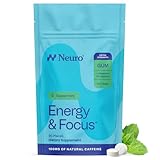
- Fast-Acting Nootropic - Our energy supplements deliver an extra boost of energy and clarity with a blend of natural caffeine, L-theanine, and vitamin b6 & b12. Your go-to chewing gum for work, exercise, and daily focus!
- Clean Energy - Each piece of our sugar free gum delivers 100mg of natural caffeine from green coffee beans for a smooth energy boost without crashes or jitters.
- The Perfect Balance - With 60mg of L-theanine per piece, our energy and focus formula promotes enhanced focus and stress reduction to smooth energy boosts.
- How to Use - Chew one piece of the caffeine gum whenever focus or energy is lacking. Ideal for mornings, pre-workout, or afternoon slumps. Effects typically kick in within minutes thanks to optimal absorption through the mouth.
- Made by Neuro, Backed by Science - At Neuro, we combine neuroscience with clean, science backed ingredients to help you do more, think better, and feel your best every single day.
What Affects the Result
- Your Genetics: Some folks are just wired to respond differently to caffeine. It’s in the DNA, I guess.
- Your Tolerance: If you drink coffee daily, your body might get used to the caffeine. The effect can lessen over time.
- The Amount You Drink: More caffeine generally means a stronger effect, but there’s a limit. Too much can cause jitters.
- What Else You Add: Cream, sugar, syrups – these add calories and can negate any potential fat-burning boost. Keep it black for the best shot.
- Your Diet: If you’re already eating a balanced, calorie-controlled diet, coffee might offer a small edge. If not, it’s just a drink.
- Your Exercise Routine: Combining coffee with exercise can amplify the effects. Your body is already primed to burn fuel.
- Your Sleep Quality: Poor sleep messes with hormones that regulate appetite and metabolism. Coffee can’t fix a bad night’s rest.
- Your Hydration: Staying hydrated is key for overall metabolic function. Water is crucial.
- The Roast Level: Darker roasts might have slightly less caffeine than lighter roasts, but the difference is usually minimal.
- The Brewing Method: While different methods extract different compounds, the impact on fat burning is indirect and usually minor compared to caffeine content.
- Your Overall Health: Underlying health conditions can influence how your body processes caffeine and burns fat.
- When You Drink It: Some studies suggest morning consumption might be more effective for metabolic boosts.
Pros, Cons, and When It Matters
- Pro: Temporary metabolic boost. It can give your calorie burn a little kick.
- Con: Tolerance builds up. The effect fades if you drink it all the time.
- Pro: Can improve exercise performance. More energy for your workout means more calories burned.
- Con: Jitters and anxiety. Too much caffeine isn’t good for anyone.
- Pro: Mobilizes fatty acids. Makes stored fat available for energy.
- Con: Not a substitute for diet and exercise. This is the big one.
- Pro: Can suppress appetite slightly. Might help you eat less, if you’re mindful.
- Con: Can disrupt sleep. Avoid drinking it too close to bedtime.
- Pro: Rich in antioxidants. Good for your overall health, beyond fat burning.
- Con: Digestive issues for some. Coffee can be tough on sensitive stomachs.
- Pro: Relatively low in calories (black coffee). Doesn’t add much to your intake.
- Con: Can lead to dependence. You might feel like you need it to function.
- When it matters: If you’re already living a healthy lifestyle, coffee might offer a small, supplementary benefit.
- When it doesn’t matter: If your diet is out of whack and you’re not moving, coffee won’t make up for it. It’s a helper, not a hero.
While coffee offers a mild metabolic boost, for those looking for more comprehensive support, a dedicated metabolism booster might be considered as part of a broader wellness plan.

- Metabolism Makeover: With regular use, URO Metabolism + Probiotic Support Capsules help support metabolism, curb cravings, and support a healthy gut balance.*
- Science-Backed Ingredients: Activate your metabolism and curb cravings with clinically-studied doses of chromium picolinate, caffeine, green coffee bean extract and B. lactis Fit probiotics.*
- Just One a Day: Take 1-2 capsules once daily, or as directed by a healthcare professional. Use in conjunction with a healthy diet and regular exercise.
- Our Happiness Commitment: URO Metabolism + Probiotic Support Capsules are only made with the good stuff: including the highest quality ingredients that are 100% vegan, third-party tested, gluten-free, non-GMO, and sugar-free. If you don’t love these supplements within 30 days, we’ll be happy to help!
- Who Is O Positiv?: Our proactive, symptom-targeting products make habit-based health easy. It’s not magic, it’s science—across periods & menopause, vaginal & digestive health, O Positiv makes supplements right here in the U.S.A. with research-backed ingredients for results you can feel.
Common Misconceptions
- Myth: Coffee is a miracle fat burner. Nope. It’s a mild aid, at best.
- Myth: Drinking coffee will make you lose weight automatically. Not without other changes.
- Myth: Black coffee has zero calories. It’s very low, but not zero.
- Myth: Adding cream and sugar doesn’t affect fat burning. It absolutely does. Those add calories.
- Myth: Any coffee will do. While the core effect is caffeine, the overall health impact can vary.
- Myth: You need to drink gallons of coffee. Too much is bad. Moderation is key.
- Myth: Coffee makes your body burn fat instead of carbs. It helps mobilize fat, but your body still uses carbs.
- Myth: Cold brew is inherently better for fat burning. Brewing method has minor impact on this specific claim.
- Myth: Decaf coffee has no effect. It has some, but much less due to reduced caffeine.
- Myth: Coffee is dehydrating. For most regular consumers, it’s not significantly dehydrating.
FAQ
Q: Does drinking coffee help me burn fat?
A: Coffee contains caffeine, which can temporarily boost your metabolism and help your body mobilize fatty acids for energy. It’s a minor effect, though.
Q: How much coffee should I drink for fat burning?
A: There’s no magic number. Most studies look at moderate amounts, around 2-4 cups a day. Too much can cause side effects.
Q: Does adding milk or sugar to coffee stop the fat-burning effect?
A: Yes, adding calories from milk, sugar, or syrups can easily outweigh any minor metabolic boost from the caffeine. Black coffee is best for this specific goal.
Q: Will coffee help me lose weight?
A: Coffee alone won’t cause significant weight loss. It might offer a small assist when combined with a healthy diet and regular exercise.
Q: Is there a best time of day to drink coffee for fat burning?
A: Some research suggests morning consumption might be more beneficial for metabolic boosts, but consistency with a healthy lifestyle is more important.
Q: Can I drink coffee if I’m trying to burn fat?
A: Generally, yes, in moderation. If you have health conditions or are sensitive to caffeine, it’s always best to check with your doctor.
Q: Does the type of coffee bean matter?
A: The caffeine content can vary slightly, but the primary driver for the fat-burning effect is the caffeine itself, regardless of the bean origin.
Q: Is cold brew coffee better for fat burning than hot coffee?
A: The brewing method has a minimal impact on the fat-burning properties. The caffeine content is the main factor.
What This Page Does NOT Cover (and Where to Go Next)
- Detailed scientific studies on caffeine metabolism. For deeper dives, look for peer-reviewed research.
- Specific recommendations for coffee consumption based on individual medical conditions. Consult a healthcare professional.
- Advanced brewing techniques for optimizing flavor or caffeine extraction. Explore coffee enthusiast forums or brewing guides.
- Meal plans or exercise routines for weight loss. Seek advice from registered dietitians or certified personal trainers.
- The long-term health benefits or risks of regular coffee consumption. Look for general health and nutrition resources.