
Using Coffee Grounds as Fertilizer for Plants
Quick answer
- Coffee grounds add nitrogen and organic matter to soil.
- They can improve soil structure and drainage.
- Use them in moderation; too much can harm plants.
- Best for acid-loving plants, but generally safe in small amounts.
- Mix them into the soil, don’t just pile them on top.
- Compost them first for the best results.
Who this is for
- Gardeners looking for natural ways to feed their plants.
- Anyone who drinks coffee and wants to reduce waste.
- Folks curious about DIY soil amendments.
What to check first
- Plant needs: Some plants, like blueberries and azaleas, love a bit of acidity. Others, like tomatoes, prefer more neutral soil. Know your plant.
- Soil condition: Is your soil already compacted or lacking organic matter? Coffee grounds can help with both, but they aren’t a magic bullet for terrible soil.
- Amount of grounds: You’re probably not going to use up all the grounds from your morning brew. Think about how much you actually generate and how much your garden needs.
For improving soil structure and drainage, consider a high-quality soil amendment to complement your coffee ground usage.
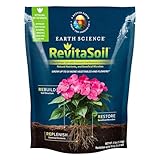
- Premium Soil Revitalizer: Rebuilds depleted soils with premium earthworm castings (worm castings), natural nutrients, and soil-friendly biology
- Boosts Plant Growth: Proven to grow up to 3X more vegetables and flowers with an exclusive patent-pending formula
- Restores Soil Health: One application helps repair structural damage and re-energizes your soil to give you bigger harvests, more flowers, and thriving plants
- Coverage & Convenience: Each 4lb bag revitalizes up to 16 sq ft of soil in gardens, landscapes, and pots and up to 8 sq ft of soil in raised beds. Revitalize your existing soil instead of purchasing large, heavy bags of new potting and garden soils
- Natural & Eco-Friendly: Sustainably made and packed full of natural nutrition without any harmful chemicals or pesticides. RevitaSoil is an all-natural solution for gardeners looking to improve soil health, boost growth, and protect the environment.
Step-by-step (how to make coffee fertilizer)
1. Collect your used coffee grounds.
- What “good” looks like: Clean, damp grounds. No old milk or sugar left in them.
- Common mistake: Leaving grounds sitting around for days, letting them get moldy. Toss them fresh or dry them out.
2. Dry the grounds (optional but recommended).
- What “good” looks like: Grounds are spread thinly on a baking sheet or newspaper. They feel dry to the touch.
- Common mistake: Piling wet grounds up. This leads to mold and smells.
3. Decide how to use them: direct application or composting.
- What “good” looks like: You’ve chosen a method that fits your gardening style and the amount of grounds you have.
- Common mistake: Just dumping them on the soil surface without a plan.
4. For direct application: Mix into soil.
- What “good” looks like: Grounds are incorporated into the top few inches of soil, not sitting in a thick layer.
- Common mistake: Leaving a thick crust of grounds on top of the soil. This can block water and air.
To effectively mix coffee grounds into your soil, a good set of gardening tools, like a hand trowel or cultivator, can make the job much easier.
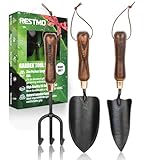
- 𝐏𝐫𝐞𝐦𝐢𝐮𝐦 𝟑-𝐢𝐧-𝟏 𝐆𝐚𝐫𝐝𝐞𝐧 𝐄𝐬𝐬𝐞𝐧𝐭𝐢𝐚𝐥 𝐓𝐨𝐨𝐥𝐬: Our complete 3-in-1 set includes a garden trowel, transplanter, and cultivator, crafted from strong carbon steel and polished wood. Everything you need to dig, weed, turn soil, aerate, and transplant with confidence. Each tool features a delicately engraved logo for a touch of understated elegance, making it perfect for dedicated gardeners and thoughtful gift-givers alike, whether they’re experts or just getting started.
- 𝐒𝐮𝐩𝐞𝐫𝐢𝐨𝐫 𝟓𝟎# 𝐂𝐚𝐫𝐛𝐨𝐧 𝐒𝐭𝐞𝐞𝐥: While most garden tools are made from ordinary #40 carbon steel, we use premium #50 carbon steel for exceptional strength and durability. Harder and more resilient, it boasts a 45 HRC hardness rating and supports up to 55 lbs, far outperforming standard tools that bend or break under pressure. The polished, oxidized finish adds an antique-inspired look while protecting against wear, keeping your tools looking timeless through years of use.
- 𝐄𝐫𝐠𝐨𝐧𝐨𝐦𝐢𝐜 𝐏𝐫𝐞𝐦𝐢𝐮𝐦 𝐖𝐨𝐨𝐝 𝐇𝐚𝐧𝐝𝐥𝐞: Designed for a natural, comfortable grip, our handles are carved from quality wood that absorbs shock and reduces hand fatigue. Each handle is carefully oxidized and textured to highlight the wood’s natural grain, beautiful, durable, and built to last. Unlike plastic handles that can warp in heat, ours stay sturdy and stylish season after season.
- 𝐑𝐞𝐢𝐧𝐟𝐨𝐫𝐜𝐞𝐝 𝐖𝐞𝐥𝐝𝐢𝐧𝐠 𝐟𝐨𝐫 𝐔𝐥𝐭𝐫𝐚 𝐃𝐮𝐫𝐚𝐛𝐢𝐥𝐢𝐭𝐲: We go beyond ordinary welding. Through a specialized reinforcement process, we craft joints so strong they can withstand the weight of an SUV without breaking. It’s a testament to durability, a promise that these tools are made to serve you reliably long time.
- 𝐓𝐡𝐞 𝐏𝐞𝐫𝐟𝐞𝐜𝐭 𝐆𝐚𝐫𝐝𝐞𝐧𝐢𝐧𝐠 𝐆𝐢𝐟𝐭, 𝐑𝐞𝐚𝐝𝐲 𝐭𝐨 𝐆𝐢𝐯𝐞: Presented in an elegant gift-ready box, this set is more than just garden tools, it’s a statement of quality. Every detail reflects artistry and durability, making it a ideal gift for Christmas, New Year, birthday, women, men, gardener.
5. For direct application: Use sparingly.
- What “good” looks like: You’re using about a 1-inch layer mixed into a larger area of soil, or a sprinkle around established plants.
- Common mistake: Overdoing it. Too much nitrogen can burn roots.
6. For composting: Add to your compost bin.
- What “good” looks like: Grounds are mixed with “brown” materials like dry leaves or shredded paper.
- Common mistake: Adding too many grounds without enough browns. This can make the compost pile dense and smelly.
7. For composting: Turn the pile regularly.
- What “good” looks like: The compost pile is aerated, and the grounds are breaking down.
- Common mistake: Letting the compost sit without turning. It won’t decompose effectively.
8. For composting: Wait for finished compost.
- What “good” looks like: The coffee grounds are no longer recognizable and have turned into dark, crumbly compost.
- Common mistake: Using compost that’s not fully broken down. It can still tie up nitrogen.
9. Water the area after application.
- What “good” looks like: The soil is moist, helping the grounds integrate and release nutrients.
- Common mistake: Applying dry grounds to dry soil and leaving it that way.
10. Observe your plants.
- What “good” looks like: Your plants are responding well, showing healthy growth.
- Common mistake: Not noticing if plants look stressed or yellowing after application.
Common mistakes (and what happens if you ignore them)
| Mistake | What it causes | Fix |
|---|---|---|
| Piling wet grounds on the surface | Mold growth, foul odors, water/air blockage, potential fungal issues. | Dry grounds first, mix into soil, or compost. |
| Using too many grounds directly | Nitrogen burn (yellowing leaves), stunted growth, root damage. | Use sparingly, mix well into soil, or compost. |
| Adding grounds with milk/sugar | Mold, attracting pests, imbalances in soil nutrients. | Only use plain, used grounds. |
| Not mixing grounds into the soil | Creates a barrier to water and air penetration, can inhibit growth. | Dig them into the top 2-4 inches of soil. |
| Using grounds on plants that hate acid | Can make soil too acidic, harming nutrient uptake and plant health. | Stick to acid-loving plants or compost them first. |
| Adding uncomposted grounds to seedlings | Can be too strong for delicate young roots, potentially causing burn. | Compost grounds thoroughly or use a very light, mixed application. |
| Ignoring signs of over-application | Continued plant stress, yellowing, or wilting that worsens over time. | Stop applying grounds and water the soil well to dilute. |
| Not drying grounds before storing | Mold, clumping, and spoilage, making them unusable and potentially harmful. | Spread thinly on a tray or newspaper until dry before storing. |
| Adding grounds to already compacted soil | Can worsen compaction if not mixed properly, hindering drainage. | Loosen soil before mixing in grounds, or compost them for better structure. |
| Relying solely on grounds for nutrients | Grounds offer some nutrients but aren’t a complete fertilizer. | Use as a supplement to balanced fertilization. |
While coffee grounds offer some nutrients, for a complete and balanced feeding, an organic fertilizer can provide all your plants need.

- Contains ALL Primary Nutrients: N-P-K
- Contains ALL Secondary Nutrients: Ca-Mg-S
- For ALL Plants; Fruits, Veggies, Roses, Potted, & More!
- Makes 20+ Gallons / Contains Azomite
- Versatile: Apply To Soil, Foliar Feed, and/ or Compost Tea
Decision rules (simple if/then)
- If you have acid-loving plants (like blueberries or rhododendrons), then you can use coffee grounds more directly, because they thrive in slightly acidic soil.
- If you have plants that prefer neutral soil (like tomatoes or peppers), then compost your coffee grounds first, because composting neutralizes some of the acidity and breaks them down more gently.
- If your soil is already heavy clay and drains poorly, then mix coffee grounds into it sparingly, because they can help improve structure but too much might worsen compaction if not well incorporated.
- If your soil is very sandy and dries out quickly, then mixing in coffee grounds can help improve water retention, because they add organic matter.
- If you drink a lot of coffee and generate many grounds, then composting is the best way to manage the volume, because it dilutes their effect and creates a balanced amendment.
- If you only use a few grounds here and there, then direct application mixed into the soil is fine, because the quantity is small enough not to cause problems.
- If you notice your plants’ leaves turning yellow and crispy after applying grounds, then you’ve likely used too much, because this is a sign of nitrogen burn.
- If your coffee grounds are moldy, then do not use them directly in the garden, because mold can be harmful to plants and soil organisms.
- If you are starting seeds or have very young seedlings, then err on the side of caution and use very little or only composted grounds, because their root systems are delicate.
- If you want to deter pests like slugs and snails, then a thin ring of dry coffee grounds around plants might help, because they find the texture unpleasant.
- If you are unsure about your plant’s pH needs, then it’s safer to compost the grounds, because composting creates a more balanced amendment.
FAQ
Can I just dump coffee grounds on my lawn?
It’s generally not a good idea to just dump them. They can form a mat that blocks water and air. If you want to use them on the lawn, mix them with compost or a soil amendment and spread thinly.
Will coffee grounds kill my plants?
Used coffee grounds are pretty mild, but too much can be an issue. It’s more about the quantity and how you apply them. Think of it like seasoning food – a little is good, a lot can ruin it.
How often can I use coffee grounds as fertilizer?
For direct application, maybe once or twice a season, and always mixed in. If you’re composting, they become part of your regular compost additions, and you’ll apply the finished compost as needed.
Do coffee grounds attract bugs?
Plain, used grounds usually don’t attract pests. However, if you leave them wet and unmixed, they can get moldy and attract fungus gnats. Adding sugar or milk to grounds can attract ants and other critters.
Are coffee grounds acidic?
Fresh coffee beans are acidic, but the brewing process and subsequent use of grounds neutralizes a lot of that acidity. While they can slightly lower soil pH, they’re generally considered only mildly acidic once used.
What about coffee grounds in container plants?
Yes, you can use them, but be extra careful. Container soil can dry out fast, and a layer of grounds can make that worse. Mix them into the potting mix or use composted grounds.
Can I use grounds from flavored coffee?
It’s best to stick to plain coffee grounds. Flavorings, sugars, and creams can mess with your soil’s balance and attract unwanted pests. Stick to the basics.
How much is “a little” coffee grounds?
For direct application, think about a thin layer, maybe half an inch, mixed into several inches of soil. For a whole garden bed, it’s more like a sprinkle. When in doubt, use less.
What this page does NOT cover (and where to go next)
- Specific pH requirements for every single plant species.
- Advanced composting techniques for large-scale operations.
- Commercial fertilizer alternatives and their precise NPK ratios.
- Dealing with specific soil deficiencies beyond general amendment.