
Why Your Heart Pounds After Drinking Coffee
Quick answer
- Caffeine is the main culprit behind a pounding heart.
- It’s a stimulant that affects your central nervous system.
- Sensitivity varies greatly from person to person.
- Other factors like sleep, stress, and medication play a role.
- For most, it’s temporary and harmless.
- If it’s severe or persistent, see a doctor.
Key terms and definitions
- Caffeine: A natural stimulant found in coffee beans, tea leaves, and cacao. It blocks adenosine, a neurotransmitter that makes you feel tired.
- Adenosine: A brain chemical that promotes relaxation and sleepiness. Caffeine’s interference leads to increased alertness.
- Stimulant: A substance that raises levels of physiological or nervous system activity. Think of it as a gentle nudge to your system.
- Central Nervous System (CNS): The brain and spinal cord. Caffeine directly impacts this.
- Heart Rate: The speed of the heartbeat measured by the number of contractions per minute.
- Palpitations: A noticeably rapid, strong, or irregular heartbeat due to agitation, exertion, or illness. This is what you might feel as a pounding heart.
- Tolerance: The body’s reduced response to a drug after repeated use. You might need more to get the same effect.
- Withdrawal: Symptoms experienced when stopping regular use of a substance like caffeine. Headaches are common.
- Dosage: The amount of caffeine consumed. Varies by coffee type and brewing method.
- Metabolism: The chemical processes in the body that produce energy. How quickly you process caffeine matters.
How it works
- Coffee contains caffeine, a well-known stimulant.
- Caffeine travels to your brain and blocks adenosine receptors.
- Adenosine usually slows down nerve cell activity.
- By blocking adenosine, caffeine increases nerve cell firing.
- This leads to the pituitary gland releasing adrenaline.
- Adrenaline is your “fight or flight” hormone.
- Adrenaline can increase your heart rate.
- It can also make your heart beat more forcefully.
- This is why your heart might pound after coffee.
- It’s your body’s natural response to a stimulant.
What affects the result
- Caffeine Content: Darker roasts sometimes have less caffeine than lighter roasts, believe it or not. Espresso has a concentrated punch.
- Brewing Method: Drip coffee, French press, pour-over – they all extract caffeine differently. Longer contact time can mean more caffeine.
- Amount of Coffee: Simple math. More beans, more caffeine.
- Grind Size: Finer grinds expose more surface area, potentially leading to faster extraction.
- Water Temperature: Too hot, and you can over-extract, leading to bitterness and maybe more compounds that affect how you feel. Aim for around 195-205°F.
- Freshness of Beans: Older beans might lose some volatile compounds, but caffeine itself is pretty stable.
- Your Personal Sensitivity: This is huge. Some folks can drink espresso before bed. Others feel it after a single sip. Genetics play a part.
- Hydration Levels: Being dehydrated can sometimes make you feel the effects of caffeine more intensely.
- Sleep Quality: If you’re already tired, the stimulant effect can feel amplified.
- Stress Levels: When you’re already anxious, adding caffeine can crank up the intensity.
- Medications: Certain medications can interact with how your body processes caffeine. Always check with your doc.
- Food Intake: Drinking coffee on an empty stomach can make the caffeine hit harder and faster.
Pros, cons, and when it matters
- Pro: Increased alertness and focus. Great for that morning boost or an afternoon slump.
- Con: Can cause jitters or anxiety in sensitive individuals. Not ideal if you’re already on edge.
- Pro: Enhanced physical performance. Many athletes use it.
- Con: Can disrupt sleep if consumed too late in the day. Even a few hours before bed can be an issue for some.
- Pro: Potential mood improvement. Coffee is a comfort for many.
- Con: Heart palpitations or a pounding heart sensation. This is the main point here.
- Pro: Rich flavor and aroma. Part of the ritual.
- Con: Can lead to digestive issues for some. Acidic nature.
- Pro: Antioxidants. Coffee has ’em.
- Con: Dependence and withdrawal symptoms. Headaches are a classic sign.
- Pro: Social ritual. Meeting for coffee is a thing.
- Con: Can exacerbate existing heart conditions. If you have known issues, be cautious.
- When it matters: If you have a big presentation, a long drive, or just need to get stuff done.
- When it matters less: If you’re trying to wind down for the evening or are prone to anxiety.
Common misconceptions
- Myth: All coffee has the same amount of caffeine. Nope. Beans, roast, brew method all change the game.
- Myth: Dark roast coffee has more caffeine. Often, lighter roasts pack a bigger punch. Surprising, right?
- Myth: Caffeine is entirely bad for your heart. For most healthy people, moderate amounts are fine.
- Myth: You can “sweat out” caffeine. Not really. Your body has to metabolize it.
- Myth: Espresso shots have more caffeine than a drip coffee. A single espresso shot has less caffeine than a standard cup of drip coffee, but it’s more concentrated.
- Myth: Adding cream and sugar cancels out caffeine. It just changes the taste and adds calories.
- Myth: Cold brew coffee is always less acidic and gentler. It can be, but it often has a higher caffeine concentration due to the brew ratio.
- Myth: Coffee makes you dehydrated. While it has a mild diuretic effect, it’s usually offset by the water used to brew it.
- Myth: If you feel it, it’s definitely a problem. For many, a slight increase in heart rate is just the caffeine working.
- Myth: You’ll build tolerance immediately. It takes time and consistent consumption.
FAQ
Can coffee make your heart pound?
Yes, caffeine is a stimulant that can increase your heart rate and make it beat more forcefully, leading to a pounding sensation.
Is a pounding heart from coffee dangerous?
For most healthy individuals, it’s temporary and not dangerous. However, if you have underlying heart conditions or experience severe symptoms, it’s best to consult a doctor.
How much caffeine is too much?
General guidelines suggest up to 400 mg of caffeine per day is safe for most adults. That’s roughly 4 cups of brewed coffee. But sensitivity varies wildly.
Why do I feel it more some days than others?
Factors like sleep deprivation, stress, hydration, and what you’ve eaten can all influence how you perceive caffeine’s effects.
What if I’m sensitive to caffeine?
Try decaf, switch to tea, or reduce your intake. Even a half-caff blend can make a difference.
If you’re looking for a controlled way to get your caffeine fix without the coffee, consider exploring caffeine supplements. They offer a precise dosage to help manage your intake.
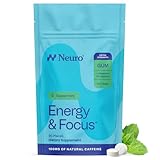
- Fast-Acting Nootropic - Our energy supplements deliver an extra boost of energy and clarity with a blend of natural caffeine, L-theanine, and vitamin b6 & b12. Your go-to chewing gum for work, exercise, and daily focus!
- Clean Energy - Each piece of our sugar free gum delivers 100mg of natural caffeine from green coffee beans for a smooth energy boost without crashes or jitters.
- The Perfect Balance - With 60mg of L-theanine per piece, our energy and focus formula promotes enhanced focus and stress reduction to smooth energy boosts.
- How to Use - Chew one piece of the caffeine gum whenever focus or energy is lacking. Ideal for mornings, pre-workout, or afternoon slumps. Effects typically kick in within minutes thanks to optimal absorption through the mouth.
- Made by Neuro, Backed by Science - At Neuro, we combine neuroscience with clean, science backed ingredients to help you do more, think better, and feel your best every single day.
Does decaf coffee have any caffeine?
Yes, decaf coffee still contains a small amount of caffeine, usually around 2-15 mg per cup, compared to 95 mg or more in regular coffee.
Can I drink coffee if I have high blood pressure?
It’s best to talk to your doctor. Caffeine can temporarily raise blood pressure, so caution is advised.
What’s the best way to reduce the pounding feeling?
Drink water, eat something, or try a less caffeinated beverage. Sometimes, just waiting it out is the only option.
Does coffee interact with medications?
Yes, caffeine can interact with certain medications. Always check with your doctor or pharmacist if you’re on medication.
What this page does NOT cover (and where to go next)
- Specific medical advice for heart conditions. If you have concerns, see a healthcare professional.
- Detailed nutritional breakdowns of different coffee drinks.
- The long-term health benefits or risks of regular coffee consumption.
- Comparisons of specific coffee machine brands or models.
- Advanced brewing techniques like siphon or Aeropress.