
Creating Homemade Coffee Extract: A Simple Process
Quick answer
- Yes, you can make coffee extract at home using brewed coffee and a high-proof neutral spirit.
- The process involves steeping coffee grounds in alcohol for an extended period.
- This method extracts the coffee’s flavor and aroma compounds into the alcohol base.
- The resulting extract can be used in baking, cocktails, or other recipes.
- Patience is key, as the steeping process can take several weeks.
- Ensure you use a food-grade alcohol for safe consumption.
Who this is for
- Home bakers looking to add a concentrated coffee flavor to their desserts.
- Cocktail enthusiasts wanting to create unique coffee-flavored drinks.
- Anyone interested in experimenting with homemade flavorings for culinary applications.
What to check first
Brewer type and filter type
The method you use to brew the initial coffee can influence the final extract’s flavor profile. A standard drip coffee maker, a French press, or even a pour-over setup will work. The key is to brew a strong, concentrated coffee. If using a drip machine or pour-over, a standard paper filter is usually sufficient. For a French press, you’ll strain the grounds separately.
Water quality and temperature
Start with good quality water. If your tap water has a strong taste or odor, consider using filtered or bottled water. This is because the water is a significant component of your brewed coffee, and its quality will directly impact the final extract. For brewing the coffee itself, aim for water between 195-205°F (90-96°C), which is ideal for optimal extraction of coffee flavors.
Grind size and coffee freshness
The grind size will depend on your brewing method. For drip or pour-over, a medium grind is typical. For a French press, a coarser grind is preferred. Freshly roasted and ground coffee beans will yield the most vibrant flavors. Stale coffee can result in a flat or dull extract. Aim to grind your beans just before brewing.
Coffee-to-water ratio
To create a concentrated base for your extract, use a higher coffee-to-water ratio than you would for regular drinking coffee. A good starting point is a 1:4 ratio (e.g., 1 part coffee grounds to 4 parts water). For example, if you use 4 oz of coffee grounds, use 16 oz of water. This will ensure a robust coffee flavor that can stand up to the alcohol.
Cleanliness/descale status
Ensure all your brewing equipment and the vessel you’ll use for steeping are thoroughly clean. Any residue from previous brews or cleaning agents can impart off-flavors to your coffee extract. If you use a coffee maker regularly, check its descaling status. Mineral buildup can affect both the taste of your brewed coffee and the longevity of your equipment.
Step-by-step (brew workflow)
1. Brew a Concentrated Coffee:
- What to do: Brew a strong batch of coffee using your preferred method. Use a higher coffee-to-water ratio than usual, such as 1:4.
- What “good” looks like: You should have a dark, intensely flavored coffee liquid. It should smell rich and aromatic.
- Common mistake and how to avoid it: Brewing weak coffee. This will result in a diluted extract. Avoid this by using more coffee grounds relative to water.
2. Cool the Coffee:
- What to do: Allow the brewed coffee to cool completely to room temperature.
- What “good” looks like: The coffee should no longer be hot to the touch.
- Common mistake and how to avoid it: Adding hot coffee to alcohol. This can cause the alcohol to evaporate too quickly and potentially create a safety hazard. Let it cool fully.
3. Prepare the Steeping Vessel:
- What to do: Select a clean glass jar or bottle with a tight-fitting lid. Ensure it’s large enough to hold your coffee and alcohol.
- What “good” looks like: A spotless, dry container.
- Common mistake and how to avoid it: Using a dirty container. This can introduce unwanted flavors or bacteria. Wash thoroughly and rinse well.
For this process, you’ll need a clean glass jar with a tight-fitting lid to ensure proper steeping and prevent evaporation. This is a crucial item for making your homemade coffee extract.
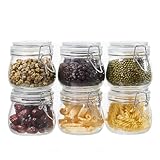
- 【Premium Glass Jars with Airtight Lids】These airtight glass jars feature a wire clip fastening system with clear preserving seals, locking in freshness and flavor. Ideal for dry goods and long-term food storage.
- 【Perfect Size: 17 oz Capacity – Set of 6】Each jar holds 17oz, just right for storing beans, flour, sugar, cereal, pasta, or snacks. Comes as a 6 pack to organize your kitchen efficiently.
- 【Durable & Safe Food Storage Containers】Made from thick, lead-free, glass food storage containers that are BPA-free, odor-resistant, and safe for everyday use.
- 【Multi-Purpose Glass Canisters for Kitchen & Pantry】Great for kitchen canning and pickling jars – also suitable for DIY jam, honey, kimchi, spices, and more. A functional and elegant solution for pantry storage jars.
- 【Stylish & Practical Storage Jars】Sleek square design saves space and looks beautiful on shelves. These glass storage jars are easy to stack and clean, combining utility with minimalist decor.
4. Combine Coffee and Alcohol:
- What to do: Pour the cooled, concentrated coffee into the prepared jar. Then, add a high-proof, neutral-flavored spirit, such as vodka or grain alcohol (100 proof or higher is recommended). A common ratio is 1 part coffee to 2 parts alcohol.
- What “good” looks like: The coffee and alcohol are mixed together in the jar. The coffee will likely be the darker liquid.
- Common mistake and how to avoid it: Using low-proof alcohol. This may not extract the flavors effectively and can dilute the final product too much. Opt for at least 80 proof (40% ABV), with 100 proof (50% ABV) or higher being ideal.
5. Seal and Shake:
- What to do: Secure the lid tightly on the jar. Give it a good shake to ensure the coffee and alcohol are well combined.
- What “good” looks like: The contents are thoroughly mixed.
- Common mistake and how to avoid it: Not sealing the jar properly. This allows alcohol to evaporate and can lead to spoilage. Ensure the lid is airtight.
6. Steep in a Dark Place:
- What to do: Store the sealed jar in a cool, dark place, such as a pantry or cupboard.
- What “good” looks like: The jar is out of direct sunlight and in a stable temperature environment.
- Common mistake and how to avoid it: Storing in direct sunlight or a warm place. This can degrade the alcohol and the coffee compounds, affecting flavor and quality.
7. Shake Regularly:
- What to do: Shake the jar gently once a day or every other day.
- What “good” looks like: You are agitating the mixture to aid in the extraction process.
- Common mistake and how to avoid it: Forgetting to shake. This can lead to uneven extraction and a less potent flavor. Consistency is key.
8. Wait for Steeping:
- What to do: Allow the mixture to steep for at least 2 to 4 weeks. Some prefer to steep for up to 6 weeks for maximum flavor extraction.
- What “good” looks like: The liquid will deepen in color and aroma. You can taste a small amount after a few weeks to gauge its strength.
- Common mistake and how to avoid it: Rushing the process. Flavor extraction takes time. Tasting too early might lead you to believe it’s not strong enough, when it just needs more time.
9. Strain the Extract:
- What to do: Once steeping is complete, carefully strain the liquid. You can use a fine-mesh sieve lined with cheesecloth or a coffee filter.
- What “good” looks like: A clear, coffee-colored liquid free of coffee grounds.
- Common mistake and how to avoid it: Incomplete straining. Leaving grounds in the extract can lead to a bitter taste and cloudiness. Strain multiple times if necessary.
10. Filter (Optional but Recommended):
- What to do: For an even clearer extract, you can filter it again through a fresh coffee filter.
- What “good” looks like: The liquid is as clear as possible, with no sediment.
- Common mistake and how to avoid it: Not filtering enough. This can result in a cloudy appearance and a less refined product.
11. Bottle and Store:
- What to do: Pour the finished coffee extract into clean, airtight bottles. Label them with the date.
- What “good” looks like: The extract is safely stored in its final containers.
- Common mistake and how to avoid it: Using unsealed or dirty bottles. This can compromise the extract’s shelf life and purity.
Common mistakes (and what happens if you ignore them)
| Mistake | What it causes | Fix |
|---|---|---|
| Using stale coffee beans | Flat, dull, or bitter flavor in the final extract. | Use freshly roasted and ground coffee beans for the most vibrant and complex flavors. |
| Brewing weak coffee | Diluted extract with insufficient coffee flavor. | Use a higher coffee-to-water ratio (e.g., 1:4) when brewing the coffee base. |
| Adding hot coffee to alcohol | Evaporation of alcohol, potential safety hazard, and loss of delicate aromatics. | Always let the brewed coffee cool completely to room temperature before combining with alcohol. |
| Using low-proof alcohol | Inefficient flavor extraction, diluted final product, and potential for spoilage. | Use a neutral spirit of at least 80 proof (40% ABV), ideally 100 proof (50% ABV) or higher. |
| Not sealing the steeping jar tightly | Alcohol evaporation, potential for spoilage, and loss of potency. | Ensure the jar lid is airtight. Consider using a lid with a rubber gasket for a better seal. |
| Storing the steeping jar in light/heat | Degradation of alcohol and coffee compounds, resulting in off-flavors. | Store the jar in a cool, dark place like a pantry or cupboard, away from direct sunlight or heat sources. |
| Forgetting to shake the jar | Uneven extraction, leading to a less potent and inconsistent flavor. | Shake the jar gently daily or every other day throughout the steeping period. |
| Rushing the steeping process | Insufficient flavor extraction, resulting in a weak extract. | Allow the coffee and alcohol to steep for at least 2-4 weeks, or longer for a more intense flavor. |
| Incomplete straining | Cloudy extract with a gritty texture and potentially bitter taste. | Strain the extract thoroughly, using cheesecloth and/or a coffee filter, possibly multiple times. |
| Using uncleaned equipment | Contamination of the extract with off-flavors or bacteria. | Ensure all jars, filters, and utensils are thoroughly cleaned before use. |
Decision rules (simple if/then)
- If your coffee extract tastes weak, then let it steep for another 1-2 weeks because flavor extraction is a time-dependent process.
- If you notice sediment in your extract, then strain it again through a coffee filter because residual grounds will affect taste and clarity.
- If you want a more intense coffee flavor, then use a higher ratio of coffee grounds to water when brewing the initial coffee because this creates a more concentrated base.
- If you are using the extract for baking where subtle flavors are key, then consider using a medium roast coffee because it offers a balanced flavor profile.
- If you are using the extract in cocktails where a bold flavor is desired, then consider using a dark roast coffee because it can provide a more robust and smoky note.
- If you are concerned about alcohol content in your final dish, then consider reducing the amount of extract used or using a lower proof alcohol (though this may affect extraction efficiency).
- If you want to avoid any alcohol in your final product, then you can try a non-alcoholic version using glycerin or vegetable oil, but this is a different process and may yield different results.
- If your extract has an overly bitter taste, then it might be over-extracted or the coffee itself was bitter; try a shorter steeping time or a different coffee bean next time.
- If you want to preserve your extract for a longer period, then ensure it is stored in an airtight container in a cool, dark place because this minimizes exposure to air and light.
- If you are unsure about the quality of your water, then use filtered or bottled water to brew the coffee because water quality significantly impacts flavor.
- If you are sensitive to caffeine, be aware that some caffeine will transfer to the extract, though the exact amount is difficult to quantify.
- If you wish to experiment with different flavor profiles, then consider infusing the alcohol with coffee beans for a shorter period before adding any brewed coffee, or adding spices like cinnamon or vanilla to the steeping jar.
FAQ
Can I make coffee extract without alcohol?
Yes, you can create a non-alcoholic coffee flavoring. However, it will not be a true “extract” in the traditional sense as alcohol is the primary solvent for flavor extraction. Non-alcoholic versions often use glycerin or vegetable oil as a base, but the flavor profile and shelf life will differ significantly.
How long does homemade coffee extract last?
When stored properly in an airtight container in a cool, dark place, homemade coffee extract can last for several months, often up to a year or even longer. The high alcohol content acts as a preservative.
What proof of alcohol should I use?
For best results, use a neutral-flavored spirit with a high proof, such as 80 proof (40% ABV) or higher. 100 proof (50% ABV) vodka or grain alcohol is often recommended as it extracts flavors more effectively and provides better preservation.
Can I use decaf coffee to make extract?
Yes, you can use decaffeinated coffee beans. The process will be the same, but your final extract will have significantly less caffeine. The flavor profile might also be slightly different depending on the decaffeination process used.
Will the extract taste like the alcohol I used?
If you use a neutral-flavored spirit like vodka or grain alcohol, the alcohol taste should be minimal or non-existent once the extract is used in recipes. The goal is for the coffee flavor to dominate.
How much coffee extract should I use in recipes?
Start with a small amount, such as 1/2 to 1 teaspoon, and adjust to taste. Coffee extract is concentrated, so a little goes a long way. It’s often used in place of vanilla extract or to enhance chocolate flavors.
What kind of coffee beans are best for making extract?
You can use any type of coffee bean you enjoy. Consider the flavor profile you want: a medium roast might give a balanced flavor, while a dark roast can offer a bolder, more intense, or even smoky note. Freshly roasted beans are always recommended.
Can I reuse the coffee grounds after making extract?
The coffee grounds will have already given up most of their soluble flavors to the alcohol. They are not suitable for brewing another batch of extract or for regular coffee consumption, as they will be significantly depleted and potentially have an unpleasant taste.
What this page does NOT cover (and where to go next)
- Detailed scientific explanations of flavor compound extraction.
- Specific recipes for using coffee extract in cocktails or baked goods.
- Comparisons of different types of alcohol bases beyond neutral spirits.
- Advanced techniques like cold brew extract or supercritical fluid extraction.