
Making Coffee Extract for Enhanced Baking Flavors
Quick answer
- Use high-quality, dark-roast coffee beans.
- Choose a neutral spirit like vodka or rum.
- Steep coffee grounds in the spirit for at least two weeks.
- Strain thoroughly for a clean extract.
- Store in a cool, dark place.
- Taste and adjust steeping time as needed.
Who this is for
- Bakers looking to elevate their desserts.
- Anyone wanting a natural, intense coffee flavor boost.
- Home cooks who enjoy DIY pantry staples.
What to check first
Brewer Type and Filter Type
This isn’t about brewing a cup for drinking. You’re not filtering out grounds for a smooth sip. For extract, you want maximum coffee flavor to infuse into your spirit. So, the “brewer” is essentially your steeping vessel, and the “filter” comes later.
Water Quality and Temperature
Water isn’t directly involved in making the extract itself, as you’re using a spirit. However, if you’re considering a cold brew concentrate as a base before adding alcohol (a different method, but possible), then water quality matters. For the spirit-based method, just focus on clean, fresh ingredients.
Grind Size and Coffee Freshness
This is crucial. A medium to coarse grind is usually best. Too fine, and you’ll have a muddy mess that’s hard to strain. Too coarse, and you won’t get enough flavor extraction. Freshly roasted beans are key. Stale coffee just won’t give you that punch you need for baking. Think of it like using old spices – it just doesn’t work.
Coffee-to-Water Ratio
In this case, it’s coffee-to-spirit ratio. A good starting point is about 1/2 cup of coffee grounds for every 1 cup of spirit. You can adjust this. More coffee means a stronger extract. Less coffee means a milder flavor. It’s all about preference and the intensity you’re aiming for in your baked goods.
Cleanliness/Descale Status
Your steeping jar or bottle needs to be spotless. Any residue can affect the flavor or even spoil your extract. Make sure it’s washed and dried thoroughly. Since you’re not dealing with a coffee machine here, it’s pretty straightforward. Just clean your steeping vessel well.
Step-by-step (how to make coffee extract for baking)
1. Gather your ingredients: You’ll need coffee beans (dark roast recommended), a neutral spirit (like vodka, rum, or even bourbon for a different flavor profile), a clean glass jar or bottle with a tight-fitting lid, and coffee filters or cheesecloth for straining.
- What “good” looks like: Everything is clean and ready to go. No last-minute scrambling.
- Common mistake: Using an old, dusty jar. Always start with clean.
A high-quality glass jar with a tight-fitting lid is essential for proper steeping and storage, preventing evaporation and preserving flavor.
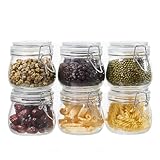
- 【Premium Glass Jars with Airtight Lids】These airtight glass jars feature a wire clip fastening system with clear preserving seals, locking in freshness and flavor. Ideal for dry goods and long-term food storage.
- 【Perfect Size: 17 oz Capacity – Set of 6】Each jar holds 17oz, just right for storing beans, flour, sugar, cereal, pasta, or snacks. Comes as a 6 pack to organize your kitchen efficiently.
- 【Durable & Safe Food Storage Containers】Made from thick, lead-free, glass food storage containers that are BPA-free, odor-resistant, and safe for everyday use.
- 【Multi-Purpose Glass Canisters for Kitchen & Pantry】Great for kitchen canning and pickling jars – also suitable for DIY jam, honey, kimchi, spices, and more. A functional and elegant solution for pantry storage jars.
- 【Stylish & Practical Storage Jars】Sleek square design saves space and looks beautiful on shelves. These glass storage jars are easy to stack and clean, combining utility with minimalist decor.
For a truly neutral base, consider a highly-rated neutral spirit vodka to ensure the coffee flavor shines through.

- BUILT FOR COCKTAILS - Our non-alcoholic agave spirit alternative is specially crafted to replace traditional agave spirits 1:1 in the drinks you already know and love. Ritual spirits are made for cocktails and not meant to be consumed straight or neat.
- A HEALTHIER CHOICE - The agave flavor, smoky aroma and bright fire of agave spirit without the alcohol or calories, for conscious consumption that leaves you at your best.
- AWARD WINNING FLAVOR - The highest rated alcohol free spirit alternative ever, certified 98/100 Platinum by the industry standard Beverage Testing Institute. Expect flavors of earthy blue agave, Mexican lime, and tropical guava, with a smoky mesquite finish.
- DESIGNED FOR YOUR LIFESTYLE - Perfect for when you're driving, training, dieting, parenting, staying out late, getting up early, seeking the perfect third drink or abstaining altogether.
- YOUR FAVORITE COCKTAILS, NON-ALCOHOLIC - For non-alcoholic classics like a margarita, paloma and tequila sunrise, inspired mixology, simple serves with soda or juice, and everything in between.
2. Grind your coffee: Grind your chosen coffee beans to a medium-coarse consistency. This is not for your morning brew, so don’t stress about perfection.
- What “good” looks like: Grinds are visible, not powder-fine.
- Common mistake: Grinding too fine, which makes straining a pain.
3. Add coffee to your jar: Pour the ground coffee into your clean glass jar or bottle.
- What “good” looks like: Grounds are settled at the bottom.
- Common mistake: Overfilling the jar; leave room for the spirit.
4. Pour in the spirit: Add your chosen spirit, ensuring the coffee grounds are fully submerged. Use about 1/2 cup of grounds per 1 cup of spirit as a starting point.
- What “good” looks like: All grounds are covered by liquid.
- Common mistake: Not using enough spirit to cover the grounds.
5. Seal the jar: Tightly screw on the lid to prevent evaporation.
- What “good” looks like: A secure seal. No leaks.
- Common mistake: A loose lid allowing the alcohol smell to escape.
6. Steep in a cool, dark place: Store the jar in a pantry or cupboard away from direct sunlight and heat.
- What “good” looks like: The jar is out of sight and undisturbed.
- Common mistake: Leaving it on the counter where it might get knocked over or exposed to light.
7. Shake occasionally: Once a day or every other day, give the jar a gentle shake. This helps the infusion process.
- What “good” looks like: The jar is moved slightly, agitating the contents.
- Common mistake: Forgetting about it for weeks at a time.
8. Steep for at least two weeks: This is the minimum time for decent flavor. Longer steeping (3-4 weeks, or even more) will yield a more intense extract. Taste it periodically after the first week.
- What “good” looks like: You’re patiently waiting and checking flavor.
- Common mistake: Rushing the process and pulling it too early.
9. Strain the extract: This is the messy part. Line a fine-mesh sieve with a coffee filter or several layers of cheesecloth. Place it over another clean jar or bottle. Slowly pour the coffee-spirit mixture through. You might need to do this in batches.
- What “good” looks like: Clear liquid is collecting in the new jar, with minimal sediment.
- Common mistake: Pouring too fast and overwhelming the filter, leading to a cloudy extract.
10. Repeat straining if needed: For a super-clear extract, you might want to strain it a second time.
- What “good” looks like: The liquid is crystal clear.
- Common mistake: Settling for a slightly cloudy result when clarity is desired.
11. Bottle and label: Transfer your finished coffee extract to a clean, airtight bottle. Label it with the date and type of coffee used.
- What “good” looks like: A nicely bottled extract ready for the pantry.
- Common mistake: Not labeling, then forgetting what’s in the bottle.
12. Store properly: Keep your coffee extract in a cool, dark place. It should last for a very long time, much like commercial extracts.
- What “good” looks like: The bottle is stored safely, ready for your next baking project.
- Common mistake: Storing it near a heat source.
Common mistakes (and what happens if you ignore them)
| Mistake | What it causes | Fix |
|---|---|---|
| Using stale coffee beans | Weak, dull, or off-flavors in the extract. | Always use freshly roasted, good-quality beans. |
| Grinding coffee too finely | Muddy extract that’s difficult to strain; bitter taste. | Use a medium-coarse grind. You want visible particles, not powder. |
| Not fully submerging coffee grounds | Uneven extraction; weaker flavor. | Ensure the spirit completely covers all coffee grounds in the jar. |
| Using a dirty steeping vessel | Off-flavors, potential spoilage. | Wash and thoroughly dry your jar or bottle before starting. |
| Rushing the steeping process | Under-extracted, weak coffee flavor. | Steep for a minimum of two weeks, tasting periodically. Longer is often better. |
| Inadequate straining | Gritty or cloudy extract; sediment in baked goods. | Use fine-mesh sieves, coffee filters, or cheesecloth. Strain slowly and potentially more than once. |
| Storing in a warm or sunny location | Degradation of flavor and aroma; potential spoilage. | Store in a cool, dark pantry or cupboard. |
| Using low-quality or flavored spirit | Unpleasant alcohol notes or competing flavors. | Opt for a neutral spirit like vodka or a complementary one like a mild rum or bourbon. |
| Using too little coffee grounds | A weak extract that won’t impart much flavor. | Start with a 1:2 ratio (coffee:spirit by volume) and adjust for future batches. |
| Not tasting during the steeping phase | Not knowing when it’s “done”; over- or under-extraction. | Taste a tiny bit (diluted if you’re sensitive) every few days after the first week. |
Decision rules (simple if/then)
- If your extract tastes weak after 3 weeks, then add more coffee grounds and steep for another week because you need more flavor extraction.
- If your extract is cloudy after straining, then strain it again through a fresh coffee filter because sediment will affect the texture and appearance of your baking.
- If you want a richer, more complex coffee flavor, then use a dark-roast bean like French roast or espresso roast because these beans have deeper, more developed flavors.
- If you’re sensitive to alcohol, then use a lower proof vodka (80 proof) because it will have less of a harsh alcohol bite.
- If you want a hint of caramel or vanilla notes in your extract, then consider using a decent quality bourbon or dark rum as your spirit because these spirits have inherent flavor profiles that can complement coffee.
- If you’re making a chocolate cake and want the coffee flavor to really shine, then use a neutral spirit like vodka because it won’t compete with the chocolate.
- If you notice an oily sheen on top of your extract after it’s settled, then don’t worry, that’s coffee oil and is normal; just be careful not to pour it off if you’re trying for a perfectly clear liquid.
- If you want to speed up the process slightly (though patience is key), then you can gently warm the spirit before pouring it over the grounds, but do this carefully and never boil it, as that can alter the flavor.
- If you’re unsure about the right grind size, then err on the side of coarser because it’s easier to extract more flavor from coarser grounds than it is to fix a muddy mess from fine grounds.
- If you plan to use this extract in a very delicate pastry where a strong coffee flavor might be overpowering, then steep for a shorter period, perhaps just 10-14 days, and taste frequently.
FAQ
What kind of coffee beans should I use?
Dark roasts like French roast, Italian roast, or espresso blends are generally best. They have bolder, more intense flavors that stand up well in baking. Avoid light roasts, as their subtle notes might get lost.
Can I use decaf coffee?
Yes, you can use decaf if you want the coffee flavor without the caffeine. Just be aware that decaffeination processes can sometimes slightly alter the flavor profile, so results might vary.
How long does homemade coffee extract last?
Properly stored in a cool, dark place, your homemade coffee extract can last for several years, much like commercial extracts. The high alcohol content acts as a preservative.
What’s the difference between coffee extract and coffee concentrate?
Extract is made by steeping coffee in alcohol. Concentrate is typically made by brewing coffee with less water to create a potent liquid, which might then be used with alcohol for extract or used directly in some recipes.
Can I use water instead of alcohol?
You could make a coffee infusion with water, but it wouldn’t be a shelf-stable “extract” and would need to be refrigerated and used quickly, similar to a strong coffee syrup. Alcohol is key for preservation and extraction.
How much of this extract should I use in recipes?
Start with the amount called for in the recipe and adjust to your taste. Homemade extracts can sometimes be more potent than store-bought ones, so it’s good to taste as you go. A common substitution is 1:1 for commercial extract.
What if I don’t have vodka? Can I use something else?
Absolutely. Rum, brandy, or even bourbon can work, but they will impart their own flavors. Choose a spirit that complements the other ingredients in your recipe. For example, bourbon pairs well with chocolate or caramel.
How do I know when the coffee extract is ready?
The best way is to taste it. After about two weeks, take a tiny drop (dilute it with a little water if it’s too strong) and see if the coffee flavor is pronounced enough for your liking. If not, let it steep longer.
What this page does NOT cover (and where to go next)
- Detailed comparisons of different spirit bases for flavor profiles. (Next: Explore how rum vs. bourbon affects baking.)
- Recipes that specifically use homemade coffee extract. (Next: Look for baking recipes that call for coffee extract.)
- The science behind solvent extraction in flavor compounds. (Next: Research food chemistry basics.)
- Commercial coffee extract brands and their ingredients. (Next: Read reviews of store-bought coffee extracts.)
- Making coffee-flavored syrups or liqueurs. (Next: Investigate syrup and liqueur recipes.)