
Natural Hair Dye: Making Coffee Paste For Coloring
Quick answer
- Coffee paste can offer a temporary, subtle tint to hair, especially darker shades.
- The process involves brewing strong coffee, letting it cool, and mixing it with a conditioner or oil.
- Results vary greatly depending on your natural hair color, porosity, and the coffee’s strength.
- It’s a gentle, natural alternative to chemical dyes, but don’t expect dramatic color changes.
- For a more noticeable effect, you might need multiple applications or a very concentrated brew.
- Always do a strand test before applying to your entire head.
For those seeking a gentle, natural alternative to chemical dyes, consider a natural hair dye like this one, which can offer a temporary, subtle tint to hair, especially darker shades.
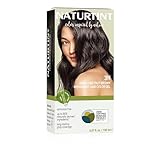
- Enriched with plant-based ingredients for visibly healthier hair
- No ammonia, no parabens, no heavy metals
- USDA BioPreferred Certified and ISO 16128 compliant
- Easy, mess-free application for beautiful color at home
- Forever cruelty-free and vegan
Who this is for
- Individuals seeking a natural, temporary way to add subtle brown tones or depth to their hair.
- Those with darker hair colors (brown to black) who want to enhance their natural shade without chemicals.
- People interested in DIY hair treatments and exploring natural beauty remedies.
What to check first
Brewer type and filter type
The method you use to brew your coffee can impact its strength and thus the potential tint. Drip coffee makers, French presses, and pour-over methods all work. The key is to brew it strong. Using a paper filter will remove more of the coffee oils, potentially leading to a cleaner paste, but this is a minor detail for hair coloring.
Water quality and temperature
Start with good quality water. If your tap water has a strong taste or odor, it might affect the scent of your hair, though this is usually temporary. For brewing, standard hot water temperatures (around 195-205°F or 90-96°C) are ideal for extracting coffee’s color and flavor compounds.
Grind size and coffee freshness
A medium to coarse grind is generally recommended for most brewing methods to avoid over-extraction or clogging. Fresher coffee beans will have more potent oils and compounds, which could contribute to a slightly richer color. However, for this application, even older coffee can still provide a tint.
Coffee-to-water ratio
This is crucial for achieving a strong brew. For hair coloring, you want to use a higher coffee-to-water ratio than you would for drinking. Think of it as brewing a concentrated espresso or a very robust drip coffee. For example, instead of a 1:15 ratio (coffee to water by weight), you might aim for closer to 1:8 or even 1:5 for a potent brew.
Cleanliness/descale status
Ensure your coffee maker and any brewing equipment are clean. Old coffee residue can impart off-flavors or smells, which you don’t want in your hair. If you use a coffee maker, check if it needs descaling according to the manufacturer’s instructions.
Step-by-step (how to make coffee paste for hair colouring)
1. Brew very strong coffee:
- What to do: Use your preferred brewing method (drip, French press, etc.) but significantly increase the amount of coffee grounds relative to water. Aim for a very dark, concentrated liquid. For example, use 1 cup of coffee grounds for 2 cups of water.
- What “good” looks like: The brewed coffee should be a deep, dark brown, almost black.
- Common mistake: Using a standard coffee ratio, resulting in a weak brew that won’t provide much color. Avoid this by doubling or tripling your usual coffee grounds.
2. Let the coffee cool completely:
- What to do: Allow the brewed coffee to cool down to room temperature. You can speed this up by placing the container in an ice bath.
- What “good” looks like: The coffee is no longer hot to the touch.
- Common mistake: Mixing hot coffee with conditioner or oil, which can degrade the conditioner’s properties or cause the oil to separate. Be patient and let it cool fully.
3. Prepare your mixing bowl:
- What to do: Select a non-metallic bowl. Plastic, glass, or ceramic are suitable.
- What “good” looks like: A clean bowl ready to receive ingredients.
- Common mistake: Using a metal bowl, which can sometimes react with ingredients and potentially affect the color or scent.
4. Add your base conditioner or oil:
- What to do: Pour about 1/2 cup to 1 cup of your favorite unscented or naturally scented conditioner into the bowl. Alternatively, you can use a carrier oil like coconut oil or olive oil, but conditioner generally creates a better paste consistency.
- What “good” looks like: A smooth, creamy base in the bowl.
- Common mistake: Using a conditioner with strong artificial fragrances that might clash with the coffee scent. Opt for something neutral.
5. Gradually add the cooled coffee:
- What to do: Slowly pour the cooled, strong coffee into the conditioner or oil, mixing as you go. Start with about 1/4 cup of coffee and add more incrementally.
- What “good” looks like: The mixture begins to form a thick, spreadable paste.
- Common mistake: Adding all the coffee at once, which can make the mixture too watery and difficult to apply. Add it slowly until you reach the desired consistency.
6. Mix thoroughly to form a paste:
- What to do: Stir the coffee and conditioner/oil mixture vigorously until it’s well combined and has a consistent, paste-like texture. It should be thick enough not to drip excessively but spreadable.
- What “good” looks like: A smooth, uniform paste with no streaks of coffee or conditioner.
- Common mistake: Not mixing enough, leaving pockets of unmixed ingredients. This can lead to uneven application and color results.
7. Perform a strand test:
- What to do: Apply a small amount of the coffee paste to a hidden section of hair (e.g., underneath). Leave it on for the desired time (e.g., 30 minutes to 1 hour), then rinse and dry the strand.
- What “good” looks like: You can see the subtle color change on the tested strand.
- Common mistake: Skipping this step and applying directly to all hair, only to be disappointed with the results or discover an unexpected hue.
8. Apply the paste to damp hair:
- What to do: Ensure your hair is clean and damp (not dripping wet). Section your hair and apply the coffee paste evenly from roots to ends using gloves and an applicator brush or your hands.
- What “good” looks like: All strands are coated with the paste.
- Common mistake: Applying to dry hair, which can make it harder to distribute evenly and may not allow the color to penetrate as well.
9. Cover and let it process:
- What to do: Cover your hair with a shower cap or plastic wrap to keep it moist and prevent dripping. Leave the paste on for at least 30 minutes, or up to 1-2 hours for a slightly more noticeable tint.
- What “good” looks like: The paste stays put and doesn’t dry out.
- Common mistake: Not covering your hair, which can lead to uneven processing as the paste dries.
10. Rinse thoroughly:
- What to do: Rinse your hair with cool or lukewarm water until the water runs clear. Avoid using shampoo immediately after rinsing, as this can strip away the color.
- What “good” looks like: All coffee paste is washed out, and your hair feels clean.
- Common mistake: Using hot water, which can cause the color to fade more quickly.
11. Condition and dry:
- What to do: Apply a conditioner to help re-moisturize your hair. Rinse again, then gently towel dry and style as usual.
- What “good” looks like: Hair feels soft and looks subtly tinted.
- Common mistake: Skipping the conditioning step, which can leave hair feeling a bit dry after the process.
Common mistakes (and what happens if you ignore them)
| Mistake | What it causes | Fix |
|---|---|---|
| Using regular strength coffee | Little to no visible color change; hair appears unchanged. | Brew coffee at a much higher coffee-to-water ratio for maximum color extraction. |
| Applying to dry hair | Uneven application, difficulty spreading, and potentially less color penetration. | Dampen hair thoroughly before application to ensure even distribution and better color uptake. |
| Not cooling the coffee completely | Degrades conditioner quality; can cause oil separation; potential scalp irritation. | Always let coffee cool to room temperature before mixing with other ingredients. |
| Using a metal bowl | Potential for slight color alteration or metallic scent in hair. | Use a glass, ceramic, or plastic bowl for mixing. |
| Not covering hair during processing | Paste dries out, leading to uneven color development and a less intense tint. | Cover hair with a shower cap or plastic wrap to maintain moisture and promote even processing. |
| Rinsing with hot water | Causes the temporary color to fade more rapidly. | Rinse with cool or lukewarm water to help seal the cuticle and preserve the subtle tint. |
| Shampooing immediately after rinsing | Strips away the newly deposited color, reducing the overall effect. | Skip shampooing post-rinse; use conditioner instead. Shampoo can be used the next day. |
| Not performing a strand test | Unexpected color results on entire head; disappointment or need to re-dye. | Always test on a small, hidden section of hair first to gauge the color outcome and processing time. |
| Using too much liquid, not enough paste | Dripping, mess, and difficulty in achieving an even coat on all hair strands. | Gradually add cooled coffee to conditioner/oil until a thick, spreadable paste is achieved, not a watery liquid. |
| Inconsistent application | Patchy color results, with some areas darker or lighter than others. | Section hair carefully and ensure every strand is thoroughly coated with the paste from root to tip. Use gloves to aid application. |
Decision rules (simple if/then)
- If your hair is very dark (black or deep brown), then expect a subtle sheen or very faint reddish-brown undertones, because coffee’s tinting power is most visible on lighter shades.
- If your hair is light brown or auburn, then you might see a more noticeable reddish-brown hue, because these shades are more receptive to coffee’s natural pigments.
- If you want a stronger effect, then brew the coffee with a higher coffee-to-water ratio, because a more concentrated brew will deposit more pigment.
- If you have gray hair, then the coffee paste may tint it a brownish-gray or a subtle brown, because gray hair can be porous and absorb color differently.
- If you want the color to last longer, then avoid clarifying shampoos and heat styling, because these can strip away temporary colorants.
- If you experience any scalp irritation, then rinse the paste off immediately, because this indicates a sensitivity to one of the ingredients.
- If you are aiming for a significant color change (e.g., from blonde to dark brown), then coffee paste is not the right solution, because it offers only a subtle tint, not a dramatic transformation.
- If your hair is very oily, then wash it with a gentle shampoo before applying the paste, because excess oil can prevent even color absorption.
- If you want to deepen an existing brown color, then multiple applications of coffee paste over time can build up a richer tone, because the color is deposited gradually.
- If you’re concerned about staining your skin, then apply a barrier cream (like petroleum jelly) along your hairline before application, because coffee can temporarily stain skin.
- If you want a temporary color that washes out easily, then coffee paste is a good option, because it’s a natural dye that typically fades within a few washes.
FAQ
Will coffee dye my hair permanently?
No, coffee paste is a temporary hair colorant. The tint is deposited on the surface of the hair shaft and will gradually fade with subsequent washes.
How long does the color last?
The longevity of the color depends on your hair’s porosity, how often you wash it, and the products you use. Generally, expect the tint to last anywhere from a few washes to a couple of weeks.
Can I use instant coffee instead of brewed coffee?
While you can try instant coffee, it may not be as effective. Instant coffee is processed differently and might not contain the same pigment compounds as freshly brewed coffee, potentially resulting in a weaker tint.
Will coffee lighten my hair?
No, coffee is not a lightening agent. It can only deposit color, primarily in the brown to reddish-brown spectrum, and is most effective on darker hair colors for adding depth or subtle tones.
How do I prevent staining my skin or clothes?
Wear old clothes and use gloves during application. Apply a thick barrier cream like petroleum jelly or a natural oil along your hairline, ears, and neck to protect your skin from staining.
Can I mix coffee paste with other natural dyes?
Yes, you can experiment with mixing coffee paste with other natural colorants like henna or indigo, but be aware that this can create unpredictable color results. Always strand test thoroughly before applying to your whole head.
What if my hair doesn’t take the color well?
Hair porosity varies greatly. If your hair doesn’t seem to absorb the color, try brewing the coffee even stronger, leaving the paste on for a longer duration (up to 2 hours), or applying it multiple times over a week.
Does coffee hair dye have a strong smell?
The brewed coffee will have a noticeable aroma, which will be present while the paste is on your hair. Once rinsed and dried, the scent usually dissipates significantly, though a faint coffee aroma might linger for a short period.
What this page does NOT cover (and where to go next)
- Permanent hair coloring techniques and their chemical processes.
- Specific product recommendations for conditioners, carrier oils, or brewing equipment.
- Advanced natural dyeing techniques, such as using henna or indigo for drastic color changes.
- Detailed analysis of hair porosity and its specific impact on various dye types.
- Professional salon hair coloring services and their benefits.