
Coffee and Diarrhea: Why It Happens and How to Manage
Quick answer
- Coffee’s acidity and caffeine can stimulate the digestive system, leading to increased bowel movements.
- Some individuals are more sensitive to these effects due to underlying conditions like IBS or lactose intolerance.
- Sugar substitutes, artificial sweeteners, or dairy in coffee can also trigger digestive upset.
- Dehydration from excessive coffee consumption may exacerbate symptoms.
- Adjusting coffee type, preparation, or additives can often alleviate the issue.
- If symptoms persist or are severe, consult a healthcare professional.
What this problem usually is (and is not)
- This problem usually involves a temporary increase in bowel activity or loose stools after drinking coffee.
- It is often a reaction to coffee’s natural properties or common additives, rather than a severe illness.
- It is not typically a sign of a coffee allergy, which would present with different symptoms like hives or swelling.
- It is not a substitute for medical advice, especially if you experience severe abdominal pain, fever, or blood in your stool.
- It is rarely a direct cause of chronic digestive disease, though it can worsen existing conditions.
- It is not a universal experience; many people consume coffee without any digestive issues.
Likely causes (triage list)
- Caffeine’s stimulating effect: Caffeine can act as a laxative by increasing gut motility. To confirm, try switching to decaffeinated coffee and observe if symptoms improve.
- Acidity of coffee: Coffee is naturally acidic, which can irritate the stomach lining and digestive tract in sensitive individuals. Experiment with low-acid coffee varieties or cold brew to see if this makes a difference.
- Additives in your coffee: Sugar alcohols (like sorbitol or xylitol) in sugar-free syrups, artificial sweeteners, or excessive dairy can cause digestive upset. Try drinking black coffee or using a lactose-free milk alternative.
- Underlying digestive conditions: Conditions such as Irritable Bowel Syndrome (IBS), Crohn’s disease, or ulcerative colitis can make you more sensitive to coffee’s effects. If you have a diagnosed condition, discuss coffee consumption with your doctor.
- Dehydration: Caffeine is a mild diuretic, and if you’re not adequately hydrated, this can affect stool consistency. Ensure you’re drinking enough water throughout the day, especially when consuming coffee.
- Coffee bean type or roast: Some people find dark roasts less irritating due to lower acid content, while others react differently to various bean types (e.g., Arabica vs. Robusta). Try different roasts or bean origins.
- Brewing method: Brewing methods that extract more oils or fine particles (like French press without proper filtering) might contribute to digestive issues for some. Compare effects with a drip or pour-over method.
- Empty stomach consumption: Drinking coffee on an empty stomach can intensify its effects on digestion. Try consuming coffee with or after a meal.
If you suspect caffeine is the culprit, try switching to decaffeinated coffee and observe if your symptoms improve.
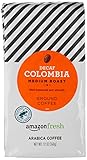
- Balanced, full-bodied medium roast with a smooth finish
- One 12-ounce bag of ground coffee
- Decaffeinated
- 100% Arabica coffee grown in Colombia
- Roasted and packed in the U.S.A.
Fix it step-by-step (brew workflow)
1. Evaluate your coffee’s ingredients:
- What to do: Note everything you add to your coffee, including milk, creamers, sweeteners, and syrups.
- What “good” looks like: You have a clear understanding of all components in your cup.
- Common mistake and how to avoid it: Assuming all additives are benign; many sugar-free or dairy products contain ingredients that can cause digestive upset. Try drinking black coffee for a few days to isolate the issue.
2. Consider your coffee’s caffeine content:
- What to do: Check if you’re drinking high-caffeine varieties or large serving sizes.
- What “good” looks like: You are aware of your daily caffeine intake.
- Common mistake and how to avoid it: Underestimating caffeine in specialty drinks or larger mugs; check the typical caffeine content for your chosen brew method and bean type.
3. Assess your coffee’s acidity:
- What to do: Try switching to a low-acid coffee, a darker roast, or cold brew.
- What “good” looks like: You’ve experienced a reduction in digestive discomfort.
- Common mistake and how to avoid it: Sticking to high-acid light roasts if you’re sensitive; cold brew naturally has lower acidity.
4. Monitor your hydration:
- What to do: Ensure you’re drinking sufficient water throughout the day, especially when consuming coffee.
- What “good” looks like: Your urine is light yellow, indicating good hydration.
- Common mistake and how to avoid it: Relying on coffee for hydration; coffee is not a substitute for water.
5. Adjust consumption timing:
- What to do: Try drinking coffee with or after a meal, rather than on an empty stomach.
- What “good” looks like: You notice less immediate digestive reaction.
- Common mistake and how to avoid it: Consuming coffee first thing in the morning on an empty stomach, which can maximize its stimulating effects.
6. Experiment with brewing methods:
- What to do: If you use a French press, ensure you’re not consuming fine sediment. Try a drip or pour-over method with a paper filter.
- What “good” looks like: Your coffee is free of excessive fine particles.
- Common mistake and how to avoid it: Not properly filtering French press coffee, which can lead to consuming more solids and oils that might upset the stomach.
7. Reduce serving size:
- What to do: Cut back on the volume of coffee you drink in one sitting or throughout the day.
- What “good” looks like: You still enjoy coffee but with fewer digestive side effects.
- Common mistake and how to avoid it: Drinking multiple large cups without considering the cumulative effect.
8. Consider your overall diet:
- What to do: Reflect on other foods you’re consuming that might contribute to digestive issues.
- What “good” looks like: You’ve identified potential dietary triggers in addition to coffee.
- Common mistake and how to avoid it: Blaming coffee solely without considering other dietary factors.
9. Track your symptoms:
- What to do: Keep a journal of when you drink coffee, what kind, and any resulting digestive issues.
- What “good” looks like: You have a clear pattern of what triggers your symptoms.
- Common mistake and how to avoid it: Relying on memory, which can be unreliable; a written log provides objective data.
10. Consult a healthcare professional:
- What to do: If digestive issues persist despite these adjustments, or if you experience severe symptoms, seek medical advice.
- What “good” looks like: You’ve ruled out underlying medical conditions or received appropriate treatment.
- Common mistake and how to avoid it: Self-diagnosing or ignoring persistent, severe symptoms.
Prevent it next time
- Choose lower-acid coffee: Opt for dark roasts, cold brew, or specific low-acid coffee beans.
- Control caffeine intake: Be mindful of serving sizes and consider decaf or half-caf options.
- Limit irritating additives: Reduce or eliminate artificial sweeteners, sugar alcohols, and excessive dairy.
- Stay hydrated: Drink plenty of water throughout the day, especially when consuming coffee.
- Don’t drink on an empty stomach: Pair your coffee with a meal or snack.
- Use proper brewing techniques: Ensure your brewing method minimizes sediment if that’s a trigger for you (e.g., use paper filters).
- Monitor your body’s reaction: Pay attention to how different types of coffee or preparation methods affect you.
- Maintain a balanced diet: A healthy gut microbiome can be more resilient to minor irritants.
- Regular cleaning of coffee maker: Ensure your coffee maker is clean to prevent mold or bacterial growth that could contribute to digestive issues.
- Check water quality: Use filtered water for brewing to avoid introducing other irritants.
Maintaining a balanced diet and a healthy gut microbiome can make you more resilient to minor irritants like coffee; consider incorporating probiotics for gut health.

- Max Strength General Purpose Probiotic: Our non-refrigerated probiotic is designed to support digestive health & gut health. A great choice for those looking to support a diverse healthy microbiome w/ 60B CFU - Probiotics for Women & Men alike. One Month Supply
- Support Your Gut: Our probiotic contains 10 diverse high-quality probiotic strains and organic prebiotics - synergistically working together to support your gut health. Expertly crafted to support occasional constipation, diarrhea, gas & bloating!
- Survives the Gut: From start to finish - this probiotic is designed to survive the gut & maximize the colonization of our strains. We use a shelf-stable bottle, acid-resistant capsules, and 60 Billion Colony forming units (CFU) to achieve this!
- Backed By Science - Our probiotics are crafted based on scientific research. We have partnered with a network of expert physicians to help review our products & research. We strive to educate & help you with informed decisions regarding your health.
- Safety Assured Standard of Quality: Our 60B probiotic is 3rd-party tested for purity and potency. Each bottle is manufactured with love & care in the USA with strict quality control - using imported and domestic ingredients.
Common mistakes (and what happens if you ignore them)
| Mistake | What it causes | Fix |
|---|---|---|
| Drinking high-caffeine coffee on an empty stomach | Increased gut motility, potential for immediate diarrhea, stomach upset | Drink coffee with or after a meal; consider lower caffeine options. |
| Using artificial sweeteners or sugar alcohols in coffee | Bloating, gas, and diarrhea, especially in sensitive individuals | Switch to natural sweeteners in moderation (e.g., sugar, honey) or drink black coffee. |
| Consuming excessive dairy with coffee (if lactose intolerant) | Bloating, gas, cramps, and diarrhea | Use lactose-free milk, plant-based alternatives, or consume dairy in smaller amounts. |
| Not staying hydrated while drinking coffee | Exacerbates coffee’s diuretic effect, potentially leading to harder stools or contributing to dehydration-related digestive issues | Drink water before, during, and after coffee consumption. |
| Ignoring underlying digestive conditions | Worsening of IBS or other chronic gut issues, prolonged discomfort | Consult a doctor to manage underlying conditions and discuss coffee’s role. |
| Using a brewing method that produces a lot of sediment (e.g., poorly filtered French press) | Ingesting fine coffee particles and oils that can irritate the gut | Use a finer filter, pour carefully to avoid sediment, or switch to drip/pour-over. |
| Consuming very hot coffee too quickly | Can irritate the esophagus and stomach, potentially contributing to discomfort | Let coffee cool slightly; sip slowly. |
| Not considering coffee acidity | Stomach upset, acid reflux, and general digestive discomfort | Switch to low-acid coffee, cold brew, or darker roasts. |
| Drinking too many large cups of coffee throughout the day | Overstimulation of the digestive system, increased risk of diarrhea | Reduce overall coffee intake or switch to decaf for later cups. |
| Not cleaning your coffee maker regularly | Build-up of mold or bacteria that can lead to gastrointestinal upset | Follow manufacturer’s cleaning recommendations, including descaling. |
If you’re lactose intolerant and consuming dairy with your coffee, consider switching to a lactose-free milk alternative to see if it helps.

- Organic Valley, Organic Lactose Free 2% Reduced Fat Milk, Half Gallon, 64 oz
- We add Lactase to make lactose-free milk, which is a natural process that that breaks down the lactose while maintaining the same protein, vitamins and omega-3s found in regular Organic Valley milk.
- Organic Valley cows are pasture-raised meaning they spend their days grazing on green pastures, which helps them produce milk with more omega-3s and CLAs than conventional milk
- Certified USDA Organic. Non-GMO. Organic Valley organic milk is always produced without antibiotics, synthetic hormones, toxic pesticides or GMOs. We instill over 50 quality checks from farm to carton to ensure you receive the best, highest quality, organic milk.
- Organic Valley's Lactose Free 2% Reduced Fat Milk is USDA Organic, gluten free, non-GMO, and pasture raised with no antibiotics, synthetic hormones, preservatives, rBGH, or rBST.
Decision rules (simple if/then)
- If you experience immediate digestive upset after coffee, then try drinking it with food because it can reduce the direct impact on your stomach.
- If why does coffee make you diarrhea is your question, then consider your caffeine intake because caffeine is a known stimulant for gut motility.
- If you suspect artificial sweeteners are the problem, then eliminate them for a week because they are common triggers for digestive issues.
- If you notice issues only with specific roasts, then switch to a darker roast or cold brew because they generally have lower acidity.
- If you often feel dehydrated, then increase your water intake alongside coffee because coffee has a mild diuretic effect.
- If your symptoms are accompanied by bloating and gas, then consider if you’re lactose intolerant and using dairy because lactose can cause these symptoms.
- If you consistently have issues regardless of coffee type or preparation, then consult a doctor because an underlying condition might be the cause.
- If you use a French press and have issues, then try a drip coffee maker with a paper filter because it reduces sediment and oils in your cup.
- If you’re consuming more than 3-4 cups daily, then reduce your intake because excessive caffeine can overstimulate your system.
- If the issue primarily occurs in the morning, then try waiting an hour or two after waking to drink coffee because your digestive system may be more sensitive.
FAQ
Q: Can decaf coffee also cause diarrhea?
A: While less common, decaf coffee can still cause digestive upset. It still contains some residual caffeine and the same acids and oils as regular coffee, which can be triggers for sensitive individuals.
Q: Is it safe to keep drinking coffee if it gives me diarrhea?
A: If the symptoms are mild and temporary, adjusting your coffee habits might be sufficient. However, if it causes significant discomfort, dehydration, or interferes with daily life, it’s best to reduce or stop consumption and consult a doctor.
Q: Does adding milk or cream make the problem worse?
A: For many, yes. Dairy products contain lactose, which can cause digestive issues like diarrhea, gas, and bloating in lactose-intolerant individuals. Artificial creamers may also contain ingredients that upset the stomach.
Q: How quickly after drinking coffee can diarrhea occur?
A: The effect can be quite rapid, sometimes within minutes to an hour after consumption, particularly if drunk on an empty stomach. This is due to caffeine’s immediate stimulating effect on the colon.
Q: Are certain coffee beans less likely to cause digestive issues?
A: Some people find darker roasts or Arabica beans less irritating than Robusta due to differences in acidity and caffeine content. Cold brew, made from any bean, is also often cited as being lower in acid.
Q: Should I avoid coffee completely if I have IBS?
A: Not necessarily, but moderation is key. Many people with IBS can tolerate coffee in small amounts or with certain modifications (e.g., decaf, low-acid, no dairy). It’s best to monitor your individual reaction and discuss with your healthcare provider.
What this page does NOT cover (and where to go next)
- Specific medical diagnoses for digestive conditions (e.g., detailed IBS management plans).
- In-depth chemical analysis of coffee components and their exact physiological effects.
- Comprehensive nutritional guidance beyond coffee-related additives.
- Recipes for low-acid coffee drinks or specific brewing techniques.
- Detailed reviews or recommendations for specific coffee brands or machines.
- Advanced descaling procedures for complex espresso machines.