
Coffee Maker Costs: What to Expect When Buying
Quick answer
- Basic drip machines can be found for under $30.
- Mid-range brewers often fall between $50 and $150.
- High-end espresso machines can run from $200 into the thousands.
- Consider ongoing costs like filters and good beans.
- Your budget depends on the type of coffee you want and how you like to make it.
- Don’t forget the power draw; some machines use more juice than others.
Key terms and definitions
- Drip Coffee Maker: The classic countertop machine that heats water and drips it over coffee grounds in a filter.
- Espresso Machine: Uses high pressure to force hot water through finely-ground coffee, creating a concentrated shot.
- Pour-Over: A manual brewing method where you pour hot water over grounds in a cone filter.
- French Press: A manual brewer where grounds steep in hot water, then are pressed down with a plunger.
- Grinder: Essential for fresh coffee; burr grinders are generally preferred over blade grinders for consistency.
- Carafe: The pot that collects brewed coffee, usually glass or thermal.
- Water Filter: Some machines have built-in filters, or you might use them in your brewing process.
- Brew Basket: Holds the coffee grounds and filter.
- Heating Element: The part of an electric brewer that heats the water.
- Pressure Pump: Found in espresso machines, it generates the force needed for extraction.
How it works
- Most electric coffee makers start by heating water.
- A heating element, often a metal coil, gets hot.
- This hot water is then channeled upwards.
- It’s typically directed into a showerhead or dispersion area.
- The hot water saturates the coffee grounds.
- Gravity pulls the brewed coffee down through a filter.
- The coffee collects in a carafe below.
- Some machines have timers for automatic brewing.
- Others offer temperature control for precise brewing.
- Espresso machines use a pump to force water through compacted grounds.
What affects the result
- Water Quality: Tap water can have minerals that affect taste. Filtered water is usually better.
- Coffee Bean Freshness: Stale beans make for dull coffee. Buy whole beans and grind them just before brewing.
- Grind Size: Too fine, and it’s bitter; too coarse, and it’s weak. It depends on the brewer.
- Coffee-to-Water Ratio: This is your “strength” setting. Too little coffee, weak brew. Too much, too strong or bitter.
- Water Temperature: Too cool, and you won’t extract flavor. Too hot, and you can scorch the grounds. Around 195-205°F is the sweet spot for most drip.
- Brew Time: How long the water is in contact with the grounds. Too short, weak. Too long, bitter.
- Brewer Type: Drip, French press, pour-over, espresso – they all extract differently.
- Cleanliness of Equipment: Old coffee oils can make fresh coffee taste rancid. Clean your brewer regularly.
- Filter Type: Paper filters can impart a slight flavor; metal filters let more oils through.
- Altitude: Water boils at a lower temperature at higher altitudes, which can affect extraction.
- Roast Level: Lighter roasts often need slightly hotter water than darker roasts.
- Pressure (Espresso): Crucial for espresso, affecting extraction speed and flavor.
Pros, cons, and when it matters
- Basic Drip Machines:
- Pros: Very affordable, simple to use, good for making large batches.
- Cons: Often lack temperature control, can produce mediocre coffee, plastic parts can degrade.
- When it matters: Budget-conscious households, offices, or when you just need a pot of coffee fast.
- Mid-Range Drip Machines:
- Pros: Better build quality, often have programmable timers, some temperature control, SCA certification for optimal brewing.
- Cons: More expensive than basic models, still not as nuanced as manual methods.
- When it matters: For those who want a good cup of coffee consistently without fuss, and appreciate features like timers.
- Pour-Over Setups:
- Pros: Excellent control over brewing, highlights nuanced flavors, inexpensive equipment (cone, filters, kettle).
- Cons: Requires more technique and attention, slower, only makes one or two cups at a time.
- When it matters: Coffee enthusiasts who enjoy the ritual and want to taste the subtle notes of single-origin beans.
- French Press:
- Pros: Full-bodied coffee with rich oils, no paper filters needed, relatively inexpensive.
- Cons: Can result in sediment in the cup, requires consistent grind size, cleanup can be a bit messy.
- When it matters: If you like a robust, full-flavored cup and don’t mind a little sediment.
- Espresso Machines (Manual/Semi-Automatic):
- Pros: Can make true espresso and milk-based drinks, great control for experienced users.
- Cons: Steep learning curve, requires a good grinder, can be expensive, maintenance is key.
- When it matters: For serious home baristas who want to replicate café-quality espresso drinks.
- Super-Automatic Espresso Machines:
- Pros: One-touch operation for espresso and milk drinks, convenient.
- Cons: Very expensive, can be complex to maintain, flavor might not match manual machines.
- When it matters: Those who want espresso drinks with minimal effort and have the budget.
- Cold Brew Makers:
- Pros: Smooth, low-acid coffee concentrate, easy to make large batches.
- Cons: Takes 12-24 hours to brew, requires specific equipment or patience.
- When it matters: If you prefer a less acidic, smoother coffee, especially for iced drinks.
- Single-Serve Pod Machines:
- Pros: Extremely convenient, fast, wide variety of flavors.
- Cons: High cost per cup, environmental waste from pods, limited coffee quality options, can be noisy.
- When it matters: Speed and convenience are paramount, and you don’t mind the ongoing pod cost.
For budget-conscious households or when you just need a pot of coffee fast, basic drip machines are very affordable and simple to use.
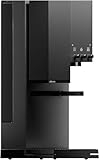
- 1. Three Levels of Automation for Any Skill Level: Choose from Autopilot, Copilot, or Free Solo mode. Autopilot handles the entire brewing process automatically. Copilot provides step-by-step guidance. Free Solo gives you full manual control. This coffee machine works for beginners and professional baristas alike.
- 2. Intuitive User Interface with Tactile Knobs and LED Matrix: The Studio features physical control knobs and a clear LED Matrix display. You can adjust grind size, water temperature, and flow rate in real time without navigating complicated touchscreen menus.
- 3. Full Customization via the xBloom App: Use the xBloom app to create, adjust, save, and share your favorite coffee recipes. Every brewing parameter can be fine-tuned and synced to the machine instantly. Your perfect cup is saved and repeatable.
- 4. Compostable xPod System for Minimal Waste and Maximum Flavor: Each xPod contains carefully selected whole beans and a built-in filter. Tap the recipe card, pour the beans into the grinder, place the pod into the dock, and press start. No capsules, no extra paper filters, no unnecessary waste.
- 5. What Is Included in the Box: The package includes the xBloom Studio, Omni Dripper 2 with Hyperflow Bottom, 10 paper filters, xPod Dock, Magnetic Dosing Cup, default recipe card, quick start guide, cleaning brush, and universal power cord. Everything you need is included.
If you like a robust, full-flavored cup and don’t mind a little sediment, a French press is a great option.

- Wash in warm, soapy water before first use and dry thoroughly
- Not for stovetop use
- Turn lid to close spout
- Easy-to-clean glass carafe
Common misconceptions
- “More expensive means better coffee.” Not always. A $50 brewer with good technique can beat a $500 one used poorly.
- “All coffee makers brew the same.” Nope. Different methods extract coffee in vastly different ways.
- “You need a fancy espresso machine for good coffee.” False. Great drip, pour-over, and French press coffee are totally achievable.
- “Grinding beans is optional.” It’s not. Pre-ground coffee loses flavor fast. Grind right before you brew.
- “The hotter the water, the better the coffee.” Too hot can burn the grounds, making it bitter. There’s a sweet spot.
- “Any coffee bean will do.” Quality beans make a difference. Freshly roasted, good quality beans are key.
- “Cleaning is only for when it looks dirty.” Old coffee oils build up and go rancid, ruining the taste of fresh brews. Clean regularly.
- “Water filters don’t matter much.” They can, especially if your tap water tastes off. Good water makes good coffee.
- “A timer means it brews when I wake up.” Some do, but ensure it brews right before you wake up, not hours ahead. Freshness counts.
- “Espresso is just strong coffee.” It’s a different brewing method using pressure, creating a different flavor profile.
FAQ
Q: How much does a basic drip coffee maker typically cost?
A: You can find simple, no-frills drip coffee makers for under $30. They get the job done for basic needs.
Q: What’s the price range for a good mid-range coffee maker?
A: Expect to spend between $50 and $150 for a solid mid-range drip machine. These often have better features and build quality.
Q: Are espresso machines really that expensive?
A: Yes, for good ones. Entry-level semi-automatic machines start around $200, but high-end models can easily cost thousands.
Q: Do I need to buy a separate grinder?
A: For the best flavor, yes. Grinding beans just before brewing makes a huge difference. A decent burr grinder is a worthwhile investment.
Q: What about the cost of filters and coffee beans?
A: Filters are generally cheap, but the cost of good quality coffee beans adds up. Budget for fresh, whole beans for the best results.
Q: How much do manual brewing devices like French presses or pour-overs cost?
A: These are usually very affordable. A French press might be $20-$50, and a pour-over cone is often under $20, plus filters.
Q: Are single-serve pod machines cost-effective?
A: Not really. While the machine itself might be affordable, the cost per cup from pods is significantly higher than brewing your own.
Q: What are the ongoing costs associated with a coffee maker?
A: Besides beans and filters, consider cleaning supplies and potential electricity usage. Some high-power machines can increase your energy bill.
What this page does NOT cover (and where to go next)
- Specific brand recommendations and comparisons. (Look for reviews focused on specific brands.)
- Detailed guides on espresso machine maintenance. (Search for guides on cleaning and descaling.)
- Advanced brewing techniques for specific coffee origins. (Explore resources on sensory evaluation and coffee tasting.)
- The economics of commercial coffee brewing versus home brewing. (Investigate articles on the coffee industry and café operations.)
- Nutritional information about coffee. (Consult health and nutrition resources.)