
Coffee Maker Prices: What To Expect To Spend
Quick answer
- Basic drip coffee makers start around $20-$50.
- Mid-range models with more features run $75-$200.
- High-end and specialty brewers can cost $200-$500+, sometimes much more.
- Consider brew method, capacity, and build quality when budgeting.
- Don’t forget the cost of filters and good beans.
- Think about how much you’ll use it before splurging.
Buying priorities
- Brew Method: Drip, pour-over, French press, espresso? Each has a different price point.
- Capacity: How many cups do you need? More capacity usually means a higher price.
- Build Quality: Stainless steel and glass are pricier but last longer than plastic.
- Features: Programmable timers, built-in grinders, temperature control add to the cost.
- Brand Reputation: Some brands are known for durability and performance, commanding higher prices.
- Ease of Cleaning: Some machines are a breeze to clean, others are a chore. Factor this into your budget for time.
- Countertop Footprint: Smaller kitchens might need a compact model, which can sometimes be more expensive.
- Longevity: A cheaper machine that breaks in a year costs more in the long run.
- Your Daily Coffee Habit: Are you a one-cup-a-day person or brewing for a crowd?
Feature comparison
- Brew Method: Drip machines are common and affordable. Pour-over and French press are manual and cheaper for the brewer itself, but require more technique. Espresso machines are typically the most expensive.
- Capacity: Ranges from single-serve (4-8 oz) to large 12-cup (60 oz) carafes. Larger capacity generally costs more.
- Temperature Control: Basic models heat water to a standard temperature. Advanced models offer precise temperature settings, which adds to the price.
- Filter Type: Paper filters are cheap but disposable. Permanent metal or cloth filters are an upfront cost but save money long-term. Some machines use pods, which are convenient but pricier per cup.
- Cleaning: Removable parts that are dishwasher-safe make cleaning easy. Some high-end machines have self-cleaning cycles, but this is rare in standard drip makers.
- Footprint: Compact single-serve machines take up less space. Larger drip brewers or espresso machines need more counter real estate.
- Material: Plastic is common in budget models. Stainless steel and glass are found in mid-range to premium machines, offering better durability and aesthetics.
- Grinder: Some machines have built-in grinders, which is a convenience feature that increases the price significantly.
- Programmability: Timers to start brewing automatically are standard on many mid-range drip machines.
- Water Reservoir: Removable reservoirs are easier to fill and clean than fixed ones.
- Carafe Type: Glass carafes are standard but can break. Thermal carafes keep coffee hot longer but are usually more expensive.
- Smart Features: Wi-Fi connectivity and app control are appearing on some high-end models, adding to the cost.
How to choose step-by-step
1. Determine your primary brew method.
- What to do: Decide if you want drip, pour-over, French press, espresso, or something else.
- What “good” looks like: You’ve settled on a method that fits your taste and desired effort.
- Common mistake: Buying a fancy drip machine when you really crave the ritual of pour-over. Avoid this by trying different methods at a friend’s place or a coffee shop first.
2. Assess your daily coffee needs.
- What to do: Figure out how many cups you drink on average each day.
- What “good” looks like: You know if you need a single-serve or a multi-cup brewer.
- Common mistake: Overbuying capacity because it seems like a good deal. You’ll end up with stale coffee if you don’t drink it all.
3. Set a realistic budget.
- What to do: Look at the price ranges for your preferred brew method and capacity.
- What “good” looks like: You have a clear price range in mind, from budget to premium.
- Common mistake: Not factoring in the ongoing costs of filters and beans. A cheap machine might lead to expensive pods.
4. Consider build materials.
- What to do: Decide if you prefer plastic, stainless steel, or glass.
- What “good” looks like: You’ve chosen materials that match your aesthetic and durability expectations.
- Common mistake: Opting for all-plastic to save a few bucks, only to have it crack or warp after a year.
5. Evaluate essential features.
- What to do: List any “must-have” features like programmability, a built-in grinder, or specific temperature control.
- What “good” looks like: You’ve identified features that genuinely improve your coffee experience.
- Common mistake: Getting dazzled by bells and whistles you’ll never use, like app control when you just want a simple cup.
6. Check for ease of cleaning.
- What to do: Read reviews or look for mentions of dishwasher-safe parts or simple disassembly.
- What “good” looks like: The machine is easy to maintain, preventing build-up and ensuring good taste.
- Common mistake: Ignoring cleaning. A dirty coffee maker makes terrible coffee and can harbor bacteria.
7. Factor in the footprint.
- What to do: Measure your available counter space.
- What “good” looks like: The machine fits comfortably without crowding your kitchen.
- Common mistake: Buying a large brewer without checking dimensions, only to find it doesn’t fit.
8. Read reviews and compare models.
- What to do: Look at user reviews for reliability and performance.
- What “good” looks like: You’ve found a well-regarded model within your budget and feature set.
- Common mistake: Relying solely on marketing. Real-world experiences from other users are invaluable.
Common mistakes (and what happens if you ignore them)
| Mistake | What it causes | Fix |
|---|---|---|
| Buying the cheapest option available | Poor coffee quality, premature breakdown | Invest in a reputable mid-range model. |
| Ignoring brew temperature | Under- or over-extraction, flat or bitter coffee | Look for machines with consistent heating or temperature control. |
| Not cleaning regularly | Stale, bitter coffee, mineral buildup, potential mold | Follow the manufacturer’s cleaning schedule; descale as needed. |
| Using tap water with high mineral content | Scale buildup, impaired heating, poor taste | Use filtered or bottled water. |
| Grinding beans too fine for drip | Clogged filter, over-extraction, muddy coffee | Use a medium grind for standard drip brewers. |
| Not preheating components (pour-over) | Coffee cools too quickly, weak brew | Rinse filter with hot water, warm up your mug. |
| Buying a machine with excessive features | Higher cost, complexity, potential for failure | Focus on essential features for your brewing style. |
| Forgetting about filter costs | Unexpected ongoing expenses | Factor in the cost of paper or the investment in a permanent filter. |
| Overfilling the water reservoir | Overflow, potential damage to the machine | Stick to the marked fill lines. |
| Not letting the machine cool down | Premature wear on components | Allow the machine to cool before deep cleaning. |
Decision rules (simple if/then)
- If you drink coffee alone, then a single-serve or small 4-cup brewer is likely sufficient because larger machines are overkill.
- If you value convenience and speed, then a pod-based machine or a programmable drip maker is a good choice because they minimize effort.
- If you’re a coffee enthusiast who enjoys the process, then consider a manual pour-over setup or a high-quality French press because they offer more control.
- If you have limited counter space, then look for compact, slim-profile drip machines or manual brewers because they won’t take up much room.
- If you want coffee that stays hot for hours, then invest in a thermal carafe model because they insulate better than glass.
- If you’re on a tight budget, then a basic drip coffee maker from a reliable brand is your best bet because they offer functionality at a low price.
- If you want the freshest possible cup, then a machine with a built-in grinder is worth considering because it grinds beans right before brewing.
- If you’re concerned about durability, then opt for machines with stainless steel accents or construction because they tend to last longer than all-plastic models.
- If you want to experiment with different brew strengths, then a machine with adjustable brew settings or temperature control is beneficial because it allows for customization.
- If you plan to brew for a crowd regularly, then a 10-12 cup drip machine is a practical choice because it can handle larger batches efficiently.
- If you have hard water, then prioritize machines with easy-to-clean components and consider a water filter pitcher because scale buildup is a common issue.
FAQ
How much should I expect to spend on a basic drip coffee maker?
You can find decent, no-frills drip coffee makers for about $20 to $50. These will get the job done for a simple cup of coffee.
You can find decent, no-frills drip coffee makers for about $20 to $50. For a reliable and affordable option, consider this highly-rated drip coffee maker.
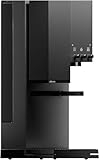
- 1. Three Levels of Automation for Any Skill Level: Choose from Autopilot, Copilot, or Free Solo mode. Autopilot handles the entire brewing process automatically. Copilot provides step-by-step guidance. Free Solo gives you full manual control. This coffee machine works for beginners and professional baristas alike.
- 2. Intuitive User Interface with Tactile Knobs and LED Matrix: The Studio features physical control knobs and a clear LED Matrix display. You can adjust grind size, water temperature, and flow rate in real time without navigating complicated touchscreen menus.
- 3. Full Customization via the xBloom App: Use the xBloom app to create, adjust, save, and share your favorite coffee recipes. Every brewing parameter can be fine-tuned and synced to the machine instantly. Your perfect cup is saved and repeatable.
- 4. Compostable xPod System for Minimal Waste and Maximum Flavor: Each xPod contains carefully selected whole beans and a built-in filter. Tap the recipe card, pour the beans into the grinder, place the pod into the dock, and press start. No capsules, no extra paper filters, no unnecessary waste.
- 5. What Is Included in the Box: The package includes the xBloom Studio, Omni Dripper 2 with Hyperflow Bottom, 10 paper filters, xPod Dock, Magnetic Dosing Cup, default recipe card, quick start guide, cleaning brush, universal power cord, and a 2-Year xbloom brand warranty. Everything you need is included—along with long-term peace of mind.
What’s the price range for a good mid-range coffee maker?
Mid-range machines, offering better build quality and features like programmability or thermal carafes, typically cost between $75 and $200.
Are espresso machines very expensive?
Yes, generally. Entry-level espresso machines can start around $150-$200, but good quality ones with better features and performance can easily run $300 to $1000 or more.
Does the brand of coffee maker affect the price?
Brand reputation for quality and durability can influence price. Established brands known for performance might cost more than lesser-known ones.
Is it worth spending more on a coffee maker with a built-in grinder?
If you prioritize the freshest coffee and convenience, it can be. However, these machines are significantly more expensive than those without a grinder.
What about pour-over setups? How much do they cost?
The brewers themselves (like ceramic drippers or plastic V60s) are quite affordable, often under $30. The main costs are the kettle, filters, and scale, which can add up.
The brewers themselves (like ceramic drippers or plastic V60s) are quite affordable, often under $30. If you’re interested in the pour-over method, this popular pour-over coffee maker is a great starting point.

- Pour Over Coffee: Manual Pour Over Coffee Maker allows you to brew an excellent cup of Coffee in minutes
- Stainless steel: Includes a new and improved permanent, stainless steel mesh filter that helps extract your coffee's aromatic oils and subtle flavors instead of being absorbed by a paper filter
- Coffee Carafe: Made of durable, heat-resistant borosilicate glass with Cork Band detailing that is both functional and elegant; single wall
- Quick and Easy: Simply add coarse ground Coffee to filter, pour a small amount of water in a circular motion over ground Coffee until soaked then add the remaining water and let drip
- Servings: Pour Over Coffee Maker makes 8 cups of Coffee, 4 oz each; dishwasher safe
Are pod machines (like Keurig or Nespresso) expensive?
The machines themselves can range from $50 to $200+. The ongoing cost is in the pods, which are more expensive per cup than brewing whole beans.
How do I know if a coffee maker is durable?
Look for materials like stainless steel, solid construction, and good user reviews that mention longevity. Avoid overly cheap plastic construction if durability is key.
What this page does NOT cover (and where to go next)
- Specific brand recommendations or comparisons. (Next: Research top-rated brands for your chosen brew method.)
- Detailed reviews of individual models. (Next: Read in-depth reviews for specific coffee makers you’re considering.)
- The absolute cheapest options that might break quickly. (Next: Focus on value and durability over rock-bottom prices.)
- Advanced espresso machine calibration techniques. (Next: Explore dedicated espresso forums and guides.)
- The impact of water quality on coffee taste. (Next: Look into water filtration methods for coffee brewing.)