
Coffee Enemas and Nausea: Potential Side Effects
Quick Answer
- Coffee enemas are a controversial practice with potential side effects, including nausea.
- Nausea can occur due to the rapid introduction of fluid, caffeine, or bile into the digestive system.
- Electrolyte imbalances or irritation of the intestinal lining are also possible contributors to nausea.
- Some individuals may experience nausea as a symptom of a more serious adverse reaction.
- It’s crucial to consult a healthcare professional before considering coffee enemas, especially if you have pre-existing health conditions.
- If nausea is severe or persistent, discontinue the practice and seek medical attention.
Key Terms and Definitions
- Coffee Enema: A procedure where coffee is introduced into the rectum and colon via an enema.
- Nausea: A feeling of sickness with an inclination to vomit.
- Caffeine: A stimulant found in coffee that can affect the nervous system and digestive tract.
- Bile: A digestive fluid produced by the liver and stored in the gallbladder, which can be released into the intestines.
- Electrolytes: Minerals in your body that have an electric charge, such as sodium, potassium, and chloride, which are essential for fluid balance.
- Colon: The large intestine, the final section of the digestive system.
- Rectum: The final section of the large intestine, terminating at the anus.
- Gastrointestinal Tract: The series of organs responsible for digesting food and absorbing nutrients.
- Adverse Reaction: An unintended and harmful effect experienced from a treatment or substance.
- Dehydration: A condition where the body loses more fluid than it takes in.
How Coffee Enemas Work (Allegedly)
- The process involves preparing a specific coffee solution, typically with cooled, brewed coffee and water.
- This solution is then administered into the colon and rectum using an enema kit.
- Proponents suggest that the coffee stimulates the liver and gallbladder to release bile.
- The caffeine and other compounds in the coffee are believed to be absorbed through the rectal veins.
- This absorption is thought to trigger detoxification pathways in the liver.
- The fluid and coffee are then held in the colon for a period, typically 10-15 minutes.
- Finally, the solution is expelled from the body.
- The claimed goal is to cleanse the colon and support liver function.
What Affects the Result of Coffee Enemas
- Coffee Type and Strength: The type of coffee used (e.g., organic, specific roast) and how strongly it is brewed can influence the concentration of active compounds.
- Water Temperature: The temperature of the coffee solution when administered is critical; it should be lukewarm to avoid thermal injury.
- Volume of Fluid: The amount of liquid introduced into the colon can affect how it is tolerated and the potential for discomfort.
- Retention Time: How long the coffee solution is held in the colon can influence the extent of absorption and bowel stimulation.
- Individual Sensitivity: People have varying sensitivities to caffeine and other compounds in coffee, which can impact their reaction.
- Electrolyte Balance: Pre-existing electrolyte imbalances can be exacerbated or triggered by the fluid shifts involved in enemas.
- Intestinal Health: The condition of the individual’s intestinal lining can affect how it responds to the introduction of fluid and coffee.
- Purity of Coffee: The presence of mold or mycotoxins in non-organic or improperly stored coffee can lead to adverse reactions.
- Speed of Administration: Introducing the fluid too quickly can cause cramping and discomfort, potentially leading to nausea.
- Frequency of Use: Frequent or excessive use of enemas can disrupt the natural balance of the gut microbiome and electrolyte levels.
- Underlying Health Conditions: Pre-existing digestive issues or other medical conditions can make individuals more susceptible to side effects.
- Preparation Method: The way the coffee is brewed and cooled can impact the final composition of the solution.
When considering coffee enemas, the purity of the coffee is crucial. Opting for organic coffee can help minimize exposure to pesticides and mycotoxins, which could otherwise lead to adverse reactions.
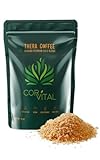
- SMELLS & LOOKS GREAT - Our green coffee enema is 100% non-carcinogenic, no fungus and no mold, making it the safest and cleanest choice compared to other coffee enemas out there.
- VERY FAST RESULTS - Get fast results with the Cor-Vital coffee detox cleanse that gets to work straight away to increase its detoxification of the blood and decrease the toxic load on the liver. Add to cart.
- DEEP HEALING & NOTICEABLE EFFECTS - Our therapy roast coffee enema organic is the best way to take control of your health and will help you to have a better mood and better sleep.
- NEW LEASE ON LIFE - The Cor-Vital organic enema coffee increases your energy levels and gets rid of bad toxins in your body, Unlike other coffee enemas you will not feel bloated and has no side effects.
- SUPER EFFECTIVE & RECOMMENDED BY GERSON - Our coffee enema organic gerson is 100% USDA certified organic to ensure no toxic chemical pesticides or fertilizers have been used. Get yours now.
Pros, Cons, and When It Matters
- Pro: Anecdotal reports of increased energy and mental clarity.
- Con: Potential for nausea, cramping, and abdominal discomfort.
- Pro: Some users report relief from constipation.
- Con: Risk of electrolyte imbalance, which can be serious.
- Pro: Claimed to support liver detoxification.
- Con: Can disrupt the natural gut flora.
- Pro: May provide a sense of internal cleansing.
- Con: Risk of infection or perforation if not performed correctly or with contaminated equipment.
- When it matters: For individuals seeking alternative or complementary approaches to digestive health, though scientific evidence is lacking.
- When it matters: When experiencing severe constipation, though conventional medical advice is preferred.
- When it matters: If experiencing symptoms that proponents claim coffee enemas can address, it’s crucial to seek medical diagnosis first.
- When it matters: For those with severe gastrointestinal conditions, this practice is generally not recommended.
Common Misconceptions
- Misconception: Coffee enemas are a scientifically proven method for detoxification.
- Reality: There is a significant lack of robust scientific evidence to support the detoxification claims of coffee enemas.
- Misconception: They are a safe and effective way to treat serious illnesses.
- Reality: Medical professionals generally do not endorse coffee enemas as a treatment for medical conditions, and they can carry risks.
- Misconception: The caffeine is absorbed in large quantities and has a significant systemic stimulant effect.
- Reality: While some caffeine is absorbed, the extent and systemic impact compared to oral consumption are debated and not well-established.
- Misconception: Holding the coffee for longer periods increases its effectiveness.
- Reality: Longer retention times can increase the risk of discomfort, cramping, and potential absorption of unwanted substances.
- Misconception: Any type of coffee can be used for enemas.
- Reality: It is often recommended to use specific types of organic coffee to minimize exposure to pesticides and mycotoxins.
- Misconception: Coffee enemas are a natural and therefore harmless practice.
- Reality: Like any invasive procedure, coffee enemas carry potential risks and side effects that must be considered.
- Misconception: They are a substitute for medical treatment.
- Reality: Coffee enemas should never be used as a replacement for professional medical care or prescribed treatments.
- Misconception: The primary benefit is a colon cleanse.
- Reality: While fluid is introduced and expelled, the idea of a “cleanse” in a medical sense is not supported by evidence; it’s more of a bowel evacuation.
FAQ
Q: Can coffee enemas cause nausea?
A: Yes, nausea is a potential side effect of coffee enemas. It can be caused by the rapid introduction of fluid, the presence of caffeine, or the stimulation of bile release.
Q: Why might I feel nauseous after a coffee enema?
A: Nausea can stem from various factors, including the volume of fluid distending the colon, caffeine’s stimulant effects on the gut, or the body’s reaction to bile being released. Irritation of the intestinal lining is also a possibility.
Q: Is nausea a sign of a serious problem with coffee enemas?
A: While mild nausea can occur, severe or persistent nausea, especially when accompanied by vomiting, severe pain, or fever, could indicate a more serious adverse reaction and warrants immediate medical attention.
Q: What should I do if I feel nauseous after a coffee enema?
A: If you experience mild nausea, try resting and staying hydrated with plain water. If nausea is severe or does not subside, discontinue the practice and consult a healthcare professional.
Q: Can electrolyte imbalances cause nausea after a coffee enema?
A: Yes, coffee enemas can potentially disrupt electrolyte balance. Imbalances in electrolytes like sodium and potassium can manifest as nausea, weakness, and other symptoms.
Q: Are there ways to prevent nausea when doing a coffee enema?
A: Some proponents suggest using lukewarm water, ensuring the coffee solution is properly cooled, introducing the fluid slowly, and not retaining it for excessively long periods. However, these methods do not guarantee prevention of nausea.
Q: Is it safe to do a coffee enema if I am already feeling nauseous?
A: It is generally not advisable to perform a coffee enema if you are already experiencing nausea or any other discomfort. It is best to wait until you feel well or consult a healthcare provider.
Q: How does caffeine in coffee enemas differ from drinking coffee in terms of side effects?
A: When consumed orally, caffeine’s effects are processed through the digestive system and liver in a different manner. Absorption via the rectal route is less understood and may lead to different or more pronounced gut-related side effects like nausea.
What This Page Does Not Cover (and Where to Go Next)
- Detailed instructions on how to perform a coffee enema.
- Next: Consult reputable health resources or practitioners for guidance on enema procedures, emphasizing safety.
- Specific brands or types of coffee recommended for enemas.
- Next: Research organic and specially roasted coffee options if considering this practice, but prioritize safety and professional advice.
- The purported benefits of coffee enemas for specific health conditions.
- Next: Discuss any health concerns with a qualified medical doctor to explore evidence-based treatment options.
- The historical context or alternative medicine theories surrounding coffee enemas.
- Next: Explore resources on the history of colon hydrotherapy and enemas from a critical perspective.
- The potential for addiction or dependency on enemas.
- Next: Understand the risks of altering normal bodily functions and seek professional advice if you feel reliant on such practices.