
Coffee Enemas and Bloating: Understanding the Risks
Quick answer
- Coffee enemas involve introducing coffee into the colon, which can lead to various side effects.
- Bloating is a commonly reported symptom associated with coffee enemas.
- The introduction of liquid and coffee compounds can disrupt the natural balance of the gut.
- Potential causes of bloating include gas buildup, irritation of the intestinal lining, and changes in gut bacteria.
- While some proponents claim benefits, medical professionals generally advise against coffee enemas due to safety concerns and lack of scientific evidence.
- If you experience persistent bloating or discomfort after a coffee enema, it’s important to consult a healthcare provider.
Key terms and definitions
- Coffee Enema: A procedure where brewed coffee is introduced into the colon via the rectum, typically for detoxification or therapeutic purposes.
- Bloating: A feeling of fullness, tightness, or swelling in the abdomen, often accompanied by gas.
- Colon: The large intestine, the final section of the digestive system, responsible for absorbing water and electrolytes from indigestible food matter and transmitting the useless waste material from the body.
- Gut Microbiome: The community of microorganisms, including bacteria, viruses, and fungi, that live in your digestive tract.
- Detoxification: The process of removing toxic substances from the body, often promoted by alternative health practitioners.
- Electrolytes: Minerals in your body that have an electric charge, such as sodium, potassium, and chloride, essential for hydration and bodily functions.
- Rectum: The final section of the large intestine, terminating at the anus.
- Irritation: A condition of inflammation or soreness caused by something that damages or interferes with the normal functioning of a body part.
- Gas Buildup: The accumulation of intestinal gas, which can cause discomfort and bloating.
- Diarrhea: A condition characterized by frequent, loose, or watery bowel movements.
How it works
- The procedure involves preparing a special coffee solution, typically using organic, low-acid coffee.
- This solution is then introduced into the colon through the rectum using an enema bag or kit.
- The liquid is usually held in the colon for a specific period, often 10-20 minutes.
- Proponents suggest that the coffee stimulates the liver and gallbladder to release bile.
- The coffee is then expelled from the body along with waste products.
- The mechanism is believed by some to facilitate the removal of toxins through the intestinal wall.
- The temperature of the coffee solution is a critical factor, usually lukewarm to avoid discomfort or injury.
- The volume of liquid introduced can vary, but it is designed to fill a significant portion of the colon.
- The process is often performed in a private setting, with individuals lying on their side.
- After the holding period, the individual evacuates the colon.
The procedure involves preparing a special coffee solution, typically using organic, low-acid coffee. This solution is then introduced into the colon through the rectum using an enema bag or kit.
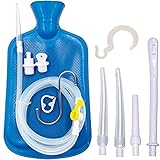
- Superior Quality: The enema bag is made of imported premium rubber ,The enema hose is made of Medical-Grade silicone.
- Safe and Convenient: The enema detox cleanse kit has a soft and comfortable reusable water nozzle, with flexible tips, made of non-toxic BPA and free of phthalates. This eco-friendly enema kit is very easy and convenient to use and can be hanged anywhere with the help of the hooks.
- Controlled Mechanism: The colon cleanser have a yellow valve for water control that lets you set the speed of the enema solution coming out of the pipes. By controlling the speed of flow, you can have a safe, comfortable, convenient, and pleasant experience.
- Complete Package: Our colon cleanse enema kit comprises of an enema bag with 2L, a 5.0 ft. long hose made of soft, and non-toxic silicone and 3 soft, flexible, and reusable tips of different shapes. You can choose the enema tip according to your interest and preference.
- Multiple Uses: Smokitcen Enema Kit is convenient and comfortable equipment to have enema detox cleaning at home. This colon detox kit is suitable for all types of colonic hydrotherapy enemas like Garson Therapy, Colon Cleansing Detox Enemas, coffee enema, and water cleanse.
What affects the result
- Coffee Type and Quality: The type of coffee used (e.g., organic, specific roast) and its preparation can influence the outcome.
- Brewing Method: How the coffee is brewed can affect the concentration of compounds that might cause irritation or gas.
- Temperature of the Solution: Coffee that is too hot can cause burns or discomfort, while coffee that is too cold can be shocking to the system.
- Volume of Liquid: Introducing too much fluid can over-distend the colon, leading to discomfort and bloating.
- Duration of Retention: Holding the coffee for too long or not long enough can impact the intended effects and potential side effects.
- Individual Gut Sensitivity: People have different sensitivities to substances introduced into the colon.
- Pre-existing Digestive Conditions: Conditions like Irritable Bowel Syndrome (IBS) or inflammatory bowel disease (IBD) can be exacerbated.
- Frequency of Enemas: Performing coffee enemas too frequently may disrupt the natural gut flora and function.
- Hygiene and Sterilization: Improperly cleaned equipment can introduce bacteria, leading to infection or irritation.
- Additives in the Coffee: Using coffee with added flavorings or sweeteners is generally not recommended and could cause adverse reactions.
- Water Quality: The type of water used to brew the coffee can potentially introduce impurities.
- Speed of Infusion: Introducing the liquid too quickly can cause cramping and discomfort.
Pros, cons, and when it matters
- Pro: Anecdotal reports of improved energy and mental clarity.
- Con: Significant risk of bloating and abdominal discomfort.
- Pro: Some proponents claim it aids in detoxification.
- Con: Lack of scientific evidence to support health claims.
- Pro: Can provide a feeling of cleansing for some individuals.
- Con: Potential for electrolyte imbalance, especially with frequent use.
- Pro: May offer temporary relief from constipation for some.
- Con: Risk of burns or injury if the solution is too hot.
- Pro: Used in some alternative health circles for perceived wellness benefits.
- Con: Can disrupt the natural balance of beneficial gut bacteria.
- Pro: Can provide a sense of control over one’s health.
- Con: May lead to dependence or avoidance of conventional medical advice.
- Pro: The ritual itself can be perceived as therapeutic by some.
- Con: Potential for rectal irritation or damage to the colon lining.
- Pro: Can be performed at home, offering convenience.
- Con: Risk of infection if equipment is not properly sterilized.
- Pro: May be seen as a natural approach to health by its users.
- Con: Can cause nausea, vomiting, or diarrhea.
- Pro: Some individuals report feeling “lighter” after the procedure.
- Con: Can lead to dehydration if not managed carefully.
Common misconceptions
- Misconception: Coffee enemas are a medically proven method for colon cleansing.
- Reality: There is no robust scientific evidence to support the efficacy or safety of coffee enemas for detoxification or health benefits. Medical professionals generally do not recommend them.
- Misconception: The “detoxification” effect is scientifically validated.
- Reality: The body has its own sophisticated detoxification systems (liver, kidneys). The concept of “detoxing” via enema is not supported by mainstream medicine.
- Misconception: Coffee enemas are always safe for everyone.
- Reality: The procedure carries risks, including electrolyte imbalance, burns, infection, and bowel perforation, especially for individuals with pre-existing health conditions.
- Misconception: Bloating is a normal and expected part of the coffee enema process that indicates it’s working.
- Reality: While bloating can occur, it is generally a sign of discomfort or a negative reaction, not a therapeutic outcome.
- Misconception: The caffeine in coffee is the primary active ingredient responsible for benefits.
- Reality: While caffeine is present, the proposed mechanisms often involve other compounds in coffee, and the absorption route is through the colon, not the digestive tract.
- Misconception: Coffee enemas can cure serious diseases.
- Reality: Claims of curing diseases are unfounded and potentially dangerous, as they may lead individuals to forgo effective medical treatments.
- Misconception: The coffee solution is absorbed into the bloodstream to cleanse the liver directly.
- Reality: While some absorption may occur, the primary route for therapeutic claims is through stimulation of bile flow, which is not definitively proven to be significantly enhanced by this method.
- Misconception: Any type of coffee can be used for an enema.
- Reality: Proponents often specify particular types of low-acid, organic coffee, suggesting that regular coffee might be more irritating.
- Misconception: Coffee enemas are a modern invention for health.
- Reality: Enemas have a long history, but the specific use of coffee is associated with alternative medicine movements.
- Misconception: The process is simple and carries no significant risks.
- Reality: The procedure requires careful preparation, execution, and awareness of potential complications.
FAQ
Can coffee enemas make you bloated?
Yes, bloating is a common side effect reported by individuals who undergo coffee enemas. The introduction of liquid into the colon can cause distension and gas buildup, leading to a feeling of fullness and discomfort.
Are coffee enemas recommended by doctors?
No, mainstream medical professionals generally do not recommend coffee enemas. They are considered an alternative therapy with insufficient scientific evidence to support their safety or efficacy, and they carry potential risks.
What are the risks associated with coffee enemas?
Risks include electrolyte imbalances, burns from hot liquid, rectal irritation or damage, infection, nausea, vomiting, diarrhea, and in rare cases, more severe complications like bowel perforation.
How can bloating from a coffee enema be managed?
If bloating occurs, gentle abdominal massage, walking, or passing gas may help alleviate discomfort. However, persistent or severe bloating should be evaluated by a healthcare professional, as it could indicate a more serious issue.
Is it safe to perform coffee enemas regularly?
Regularly performing coffee enemas is generally not advised due to the potential for disrupting the gut microbiome, causing electrolyte imbalances, and leading to dependence. It’s best to consult with a healthcare provider before considering any regular enema practice.
What should I do if I experience severe pain after a coffee enema?
Severe pain, fever, or any signs of rectal bleeding after a coffee enema require immediate medical attention. These could be indicators of a serious complication such as infection or bowel perforation.
Can coffee enemas affect my gut bacteria?
Yes, introducing foreign substances like coffee into the colon can potentially alter the balance of your gut microbiome, which plays a crucial role in digestion and overall health.
What is the purpose of holding the coffee in the colon?
Proponents of coffee enemas believe that holding the solution allows the body to absorb certain compounds that may stimulate the liver and gallbladder, aiding in detoxification. However, this mechanism is not scientifically proven.
What are the alternatives to coffee enemas for digestive health?
For digestive health, focus on a balanced diet rich in fiber, adequate hydration, regular exercise, and stress management. If you have specific concerns, consult a healthcare provider for evidence-based treatments.
What this page does NOT cover (and where to go next)
- Detailed instructions on how to perform a coffee enema. For specific procedural guidance, consult resources dedicated to alternative health practices, but always with caution.
- Specific brand recommendations for coffee or enema equipment. You may wish to research products based on user reviews and manufacturer specifications.
- The scientific mechanisms behind claimed detoxification benefits. For in-depth scientific discussions on liver function and detoxification, consult medical journals or textbooks on physiology.
- Legal or regulatory status of coffee enemas. Information on health regulations can be found through government health websites or professional medical organizations.
- Personal testimonials or success stories. If you are interested in anecdotal accounts, you may find them on forums or websites discussing alternative health.