
Dizziness After Coffee Enemas: Causes and Concerns
Quick Answer
- Dizziness after a coffee enema can occur due to several factors, including rapid fluid shifts, electrolyte imbalances, and vasodilation.
- The caffeine itself can also contribute to feelings of lightheadedness, especially if absorbed quickly.
- Some individuals may experience a “healing crisis” or Herxheimer reaction, which can manifest as temporary dizziness.
- It’s crucial to follow proper preparation and administration guidelines to minimize risks.
- If dizziness is severe, persistent, or accompanied by other concerning symptoms, seeking medical advice is recommended.
- Dizziness can also be a sign of dehydration or an adverse reaction to the coffee or additives used.
Key Terms and Definitions
- Coffee Enema: A procedure involving the retention of a liquid coffee solution in the colon for a period, typically for purported detoxification or therapeutic benefits.
- Vasodilation: The widening of blood vessels, which can lead to a temporary drop in blood pressure and potentially dizziness.
- Electrolytes: Minerals in your body that have an electric charge, such as sodium, potassium, and magnesium, crucial for fluid balance and nerve function.
- Dehydration: A state where the body loses more fluid than it takes in, impacting blood volume and circulation.
- Herxheimer Reaction (Healing Crisis): A temporary worsening of symptoms that some believe occurs during detoxification when the body releases toxins faster than it can eliminate them.
- Autonomic Nervous System: The part of the nervous system that controls involuntary bodily functions like heart rate, digestion, and blood pressure.
- Osmotic Gradient: The difference in solute concentration across a semipermeable membrane, influencing fluid movement.
- Absorption: The process by which substances pass from the digestive tract into the bloodstream.
How Coffee Enemas Work (Theoretically)
- The procedure involves introducing a warm, brewed coffee solution into the large intestine via the rectum.
- The solution is typically held for a specific duration, often 10-15 minutes, before being expelled.
- Proponents suggest that the coffee stimulates the liver and gallbladder to release bile.
- This bile is believed to carry toxins from the liver into the intestine for elimination.
- The caffeine and other compounds in the coffee are thought to be absorbed through the rectal veins.
- This absorption is theorized to stimulate the vagus nerve and increase blood flow.
- The process is intended to help cleanse the colon and promote overall detoxification.
- The warmth of the liquid can also have a relaxing effect on the abdominal muscles.
What Affects the Result of Coffee Enemas
- Coffee Type and Quality: The specific type of coffee used, its roast, and whether it’s organic can influence the compounds present and potential reactions.
- Brewing Method: How the coffee is brewed can affect the concentration of active compounds. A stronger brew might lead to different effects.
- Water Temperature: The temperature of the coffee solution is important. Too hot can cause burns; too cool might be uncomfortable and less effective. Generally, lukewarm is recommended.
- Volume of Solution: The amount of liquid introduced into the colon can impact the pressure and the body’s response.
- Retention Time: How long the solution is held in the colon can affect the degree of absorption and stimulation.
- Individual Sensitivity: Each person’s body reacts differently. Some may be more sensitive to caffeine or the procedure itself.
- Electrolyte Balance: Pre-existing imbalances in electrolytes can be exacerbated by fluid shifts during the enema.
- Hydration Levels: Being dehydrated before the procedure can increase the risk of dizziness due to lower blood volume.
- Speed of Administration: Introducing the fluid too quickly can cause discomfort and potentially affect blood pressure.
- Additives: Adding other substances to the coffee solution, beyond what is recommended by specific protocols, can introduce new variables and risks.
- Underlying Health Conditions: Pre-existing medical conditions can influence how the body tolerates the procedure.
- Frequency of Use: Performing enemas too frequently without allowing the body to recover can lead to cumulative effects.
When considering coffee enemas, the quality of the coffee is paramount. Opting for an organic coffee for enema can help ensure you’re using a product free from pesticides and other unwanted additives.
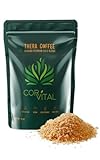
- SMELLS & LOOKS GREAT - Our green coffee enema is 100% non-carcinogenic, no fungus and no mold, making it the safest and cleanest choice compared to other coffee enemas out there.
- VERY FAST RESULTS - Get fast results with the Cor-Vital coffee detox cleanse that gets to work straight away to increase its detoxification of the blood and decrease the toxic load on the liver. Add to cart.
- DEEP HEALING & NOTICEABLE EFFECTS - Our therapy roast coffee enema organic is the best way to take control of your health and will help you to have a better mood and better sleep.
- NEW LEASE ON LIFE - The Cor-Vital organic enema coffee increases your energy levels and gets rid of bad toxins in your body, Unlike other coffee enemas you will not feel bloated and has no side effects.
- SUPER EFFECTIVE & RECOMMENDED BY GERSON - Our coffee enema organic gerson is 100% USDA certified organic to ensure no toxic chemical pesticides or fertilizers have been used. Get yours now.
Pros, Cons, and When It Matters
- Potential for Detoxification: Proponents claim it aids the liver in eliminating toxins. This is a primary reason some people use it, particularly those exploring alternative health.
- Relief from Constipation: The enema process itself can help clear the bowels, offering temporary relief from mild constipation.
- Stimulation of Bile Flow: The Gerson Institute and others suggest it stimulates the liver and gallbladder. This is relevant for those seeking to support liver function.
- Rapid Onset of Effects: If effects are experienced, they can be felt relatively quickly due to the direct introduction into the colon.
- Risk of Dizziness and Lightheadedness: As discussed, this is a common side effect that can be concerning and impact daily activities.
- Electrolyte Imbalances: The procedure can disrupt the body’s electrolyte balance, which is critical for many bodily functions. This matters greatly for individuals with heart conditions or kidney issues.
- Potential for Colon Damage: Improper technique or overuse can lead to irritation, perforations, or other damage to the colon lining.
- Caffeine Absorption: Unintended systemic absorption of caffeine can lead to stimulant-related side effects like jitters, anxiety, or rapid heart rate, in addition to dizziness.
- Infection Risk: If equipment is not properly sterilized, there’s a risk of introducing harmful bacteria into the body.
- Not a Substitute for Medical Care: For serious health concerns, coffee enemas should never replace conventional medical treatment.
- Lack of Robust Scientific Evidence: The purported benefits of coffee enemas are largely anecdotal or based on theories not widely supported by rigorous scientific research. This is a key consideration for evidence-based health decisions.
- Discomfort and Inconvenience: The procedure can be uncomfortable, messy, and requires dedicated time and preparation.
Common Misconceptions
- “Coffee enemas are universally safe.” While some individuals tolerate them, they carry risks, including electrolyte imbalances and potential for injury.
- “They are a proven method for curing diseases.” There is no strong scientific evidence to support claims of curing serious illnesses with coffee enemas.
- “The caffeine is completely detoxified in the colon.” Caffeine is absorbed and can enter the bloodstream, potentially causing systemic effects.
- “Any coffee can be used.” Specific types of coffee and brewing methods are often recommended to minimize certain compounds and maximize others, though evidence for this is limited.
- “Holding the fluid longer means better results.” Extended retention can increase the risk of discomfort and adverse effects without proven added benefit.
- “Dizziness is always a sign of effective detoxification.” Dizziness is often a sign of physiological stress or imbalance, not necessarily a positive indicator of toxin release.
- “They are a good way to lose weight.” Coffee enemas do not promote significant or sustainable weight loss.
- “The entire colon is cleansed.” Enemas primarily affect the lower portion of the colon.
- “They are a natural alternative to all medical treatments.” They are an alternative therapy and should not replace necessary medical interventions.
- “The benefits are solely from the coffee.” The act of introducing fluid and stimulating bowel evacuation also plays a role.
FAQ
Q: Why do I feel dizzy after a coffee enema?
A: Dizziness can result from rapid fluid shifts, changes in blood pressure due to vasodilation, electrolyte imbalances, or the systemic effects of caffeine absorption.
Q: Is dizziness a sign that the coffee enema is working?
A: Not necessarily. While some proponents might interpret it as a “healing crisis,” dizziness is more commonly a sign that your body is experiencing stress or an imbalance.
Q: How much caffeine is absorbed from a coffee enema?
A: The amount can vary significantly depending on individual factors, the preparation of the enema, and retention time. It’s difficult to quantify precisely, but absorption does occur.
Q: What should I do if I feel dizzy after a coffee enema?
A: Lie down in a safe place, rest, and drink plenty of plain water. Avoid driving or operating machinery until you feel completely recovered.
Q: Can electrolyte imbalance cause dizziness after an enema?
A: Yes, the introduction and expulsion of fluids can disrupt electrolyte balance, leading to symptoms like dizziness, weakness, or nausea.
Q: Should I stop doing coffee enemas if I get dizzy?
A: If dizziness is a frequent or severe occurrence, it’s advisable to discontinue the practice and consult with a healthcare professional.
Q: Are there ways to prevent dizziness during a coffee enema?
A: Proper preparation, using lukewarm water, ensuring adequate hydration beforehand, and administering the fluid slowly may help minimize discomfort and dizziness.
Q: Can the type of coffee used affect dizziness?
A: Potentially. Different roasts and bean types have varying caffeine levels and other compounds that could influence absorption and physiological responses.
Q: When should I seek medical help for dizziness after an enema?
A: Seek immediate medical attention if dizziness is severe, accompanied by chest pain, shortness of breath, confusion, or if it persists for an extended period.
What This Page Does Not Cover (and Where to Go Next)
- Specific medical claims and proven efficacy: This page focuses on potential mechanisms and side effects, not on validating unproven medical benefits. For medical advice, consult a qualified healthcare provider.
- Detailed preparation instructions or protocols: This article does not provide step-by-step guides for performing coffee enemas. Always refer to reputable sources or follow the advice of a practitioner if you choose to proceed.
- Legal or regulatory status of coffee enemas: Information on the official stance or approval by health organizations is not included here.
- Long-term health impacts: This article primarily addresses immediate concerns like dizziness and potential short-term risks.
- Alternative detoxification methods: This page is specific to coffee enemas. For information on other wellness practices, further research would be needed.