
Coffee Consumption and Mood: Is There a Link?
Quick Answer
- Caffeine, a primary component in coffee, can influence mood by affecting neurotransmitters like dopamine and adenosine.
- For some, moderate coffee consumption is associated with improved alertness, mood, and reduced risk of depression.
- However, excessive caffeine intake can lead to anxiety, jitters, and sleep disturbances, negatively impacting mood.
- Individual responses to coffee vary significantly due to genetics, tolerance, and other lifestyle factors.
- Stopping coffee abruptly can cause withdrawal symptoms, including fatigue and irritability, which might be mistaken for depression.
- While coffee can offer temporary mood boosts, it’s not a substitute for addressing underlying mental health conditions.
Key Terms and Definitions
- Caffeine: A natural stimulant found in coffee beans that affects the central nervous system.
- Neurotransmitters: Chemical messengers in the brain that transmit signals, influencing mood, sleep, and energy levels. Examples include dopamine and serotonin.
- Adenosine: A neurotransmitter that promotes relaxation and sleepiness. Caffeine blocks adenosine receptors.
- Dopamine: A neurotransmitter associated with pleasure, motivation, and reward. Caffeine can indirectly increase dopamine levels.
- Placebo Effect: A beneficial effect produced by a placebo drug or treatment, which cannot be attributed to the properties of the placebo itself, and must therefore be due to the patient’s belief in that treatment.
- Withdrawal Symptoms: Negative physical and psychological effects experienced when a regular user of a substance stops taking it.
- Depression: A mood disorder characterized by persistent feelings of sadness, loss of interest, and a range of emotional and physical problems.
- Anxiety: A feeling of worry, nervousness, or unease, typically about an imminent event or something with an uncertain outcome.
- Tolerance: The ability of the body to become accustomed to a substance, requiring larger amounts to produce the same effect.
- Psychosomatic: Relating to physical symptoms or illnesses that develop or are worsened by mental or emotional stress.
How Coffee Affects Your Mood
- Adenosine Blockade: Caffeine molecules are shaped similarly to adenosine, a neurotransmitter that signals tiredness. Caffeine binds to adenosine receptors in the brain, preventing adenosine from doing its job and thus increasing alertness.
- Dopamine Release: By blocking adenosine, caffeine can indirectly lead to an increase in the release of dopamine, a neurotransmitter associated with pleasure and reward. This can contribute to feelings of well-being and improved mood.
- Noradrenaline Boost: Caffeine also stimulates the release of noradrenaline, a hormone and neurotransmitter that increases arousal, alertness, and attention, which can make you feel more energetic and focused.
- Serotonin Interaction: While less direct, caffeine may also influence serotonin levels, another key neurotransmitter involved in mood regulation. Changes here can subtly affect feelings of happiness and contentment.
- Stimulant Effect: The overall stimulant effect of caffeine on the central nervous system can combat feelings of lethargy and improve cognitive functions like concentration and reaction time.
- Ritual and Comfort: The act of preparing and drinking coffee can be a comforting ritual. This routine, combined with the warmth of the beverage, can provide a sense of calm and enjoyment independent of caffeine’s chemical effects.
- Social Connection: Coffee often plays a role in social interactions. Meeting a friend for coffee or enjoying a cup in a café can foster a sense of connection and belonging, positively impacting mood.
- Placebo Effect: For many, the expectation of feeling better after drinking coffee can itself contribute to an improved mood, demonstrating the power of the placebo effect.
What Affects Coffee’s Impact on Your Mood
- Caffeine Dosage: The amount of caffeine consumed is a primary factor. Moderate amounts (e.g., 100-200 mg, roughly 1-2 cups of brewed coffee) are often associated with positive mood effects, while very high doses can induce anxiety.
- Individual Sensitivity: Genetic factors determine how quickly your body metabolizes caffeine. Some people are “fast metabolizers” and feel less of its effects, while “slow metabolizers” can experience jitters and anxiety even from small amounts.
- Regular Consumption: People who regularly consume coffee develop a tolerance. This means they may need more caffeine to achieve the same mood-lifting effects, and stopping can lead to withdrawal.
- Time of Day: Consuming coffee late in the day can disrupt sleep patterns. Poor sleep quality is strongly linked to a negative mood and increased feelings of depression and anxiety.
- Hydration Levels: Dehydration can mimic some symptoms of fatigue and low mood. Ensuring adequate water intake alongside coffee is important for overall well-being.
- Diet and Nutrition: A balanced diet supports stable energy levels and neurotransmitter function. Poor nutrition can exacerbate feelings of fatigue and low mood, potentially making coffee’s effects less pronounced or even negative.
- Stress Levels: When already experiencing high stress, caffeine can amplify feelings of anxiety and nervousness rather than providing a mood boost.
- Sleep Quality: If you are already sleep-deprived, caffeine might offer a temporary fix but won’t address the underlying issue. Chronic lack of sleep is a significant contributor to poor mood.
- Underlying Health Conditions: Pre-existing mental health conditions, such as anxiety disorders or clinical depression, can be exacerbated by caffeine in some individuals.
- Type of Coffee Drink: The way coffee is prepared matters. Drinks loaded with sugar and cream can lead to energy crashes after the initial boost, negatively impacting mood later.
- Freshness of Coffee Beans: While more related to taste, very stale coffee might have degraded compounds that could subtly affect the overall experience, though its direct impact on mood is less studied.
- Physical Activity: Regular exercise is a known mood enhancer. Its effects can be synergistic with coffee for some, but over-reliance on caffeine for energy instead of exercise can be detrimental.
For those who enjoy the ritual of coffee and want to maximize its potential mood-boosting benefits, investing in a quality coffee grinder can make a difference in freshness and flavor.

- [ PRECISION ELECTRONIC TIMER & TOUCHSCREEN PANEL ] - Precision Electronic Timer allows users to adjust grind time in 1 second increments up to 40s. A clear and concise LCD Touch screen is easy and intuitive for you to adjust the grind time.
- [ CHOOSE FROM 48 GRIND SETTINGS ] - This coffee bean grinder is designed with a conical burr grinder that operates at a low speed to minimize heat and help release the oils for optimal flavor. With 48 adjustable settings, create your perfect cup – from Espresso finesse to French press coarseness!
- [ UPGRADE ANTI-STATIC CONICAL BURR COFFEE GRINDER ] - The anti-static technology prevents the grounds from sticking to the coffee chamber and creating a mess. It allows a smooth flow of coffee grounds for an improved experience.
- [ LARGE BEAN HOPPER ] - Our espresso grinder comes with a 9.7 oz coffee bean hopper, designed with a locking system that ensures safe operation.
Pros, Cons, and When It Matters
- Pro: Enhanced Alertness and Focus: Coffee can significantly improve concentration and reduce feelings of fatigue, making tasks feel more manageable and boosting productivity. This is beneficial for students, shift workers, or anyone needing a mental edge.
- Con: Anxiety and Jitters: For sensitive individuals or with excessive intake, caffeine can trigger or worsen anxiety, leading to restlessness, racing thoughts, and physical discomfort. This is a major concern for those prone to anxiety disorders.
- Pro: Temporary Mood Lift: The dopamine-related effects can create a short-term feeling of well-being and optimism, which can be a welcome boost during a challenging day.
- Con: Sleep Disruption: Caffeine’s stimulating effects can interfere with falling asleep and staying asleep, especially when consumed in the afternoon or evening. This can lead to a cycle of fatigue and dependence on coffee.
- Pro: Reduced Risk of Depression (in some studies): Some epidemiological studies suggest a correlation between moderate coffee consumption and a lower incidence of depression. This might be due to caffeine’s impact on neurotransmitters or other compounds in coffee.
- Con: Withdrawal Symptoms: Suddenly stopping coffee can lead to headaches, fatigue, irritability, and difficulty concentrating. These symptoms can be severe enough to temporarily impair daily functioning and mood.
- Pro: Social and Ritualistic Benefits: The act of drinking coffee can be a comforting ritual and a catalyst for social interaction, both of which are important for mental well-being.
- Con: Digestive Issues: For some, coffee can cause stomach upset, acid reflux, or other digestive discomfort, which can indirectly affect mood through physical discomfort.
- Pro: Antioxidant Properties: Coffee contains antioxidants that may have long-term health benefits, though their direct link to mood is less clear.
- Con: Dependency and Tolerance: Regular use can lead to physical dependence, where you need coffee to feel “normal” and avoid withdrawal. This can be a significant hurdle for those trying to moderate intake.
- When It Matters: Performance Enhancement: For tasks requiring sustained attention or quick reaction times, coffee can be a valuable tool.
- When It Matters: Social Connection: Coffee breaks are a common way to connect with colleagues or friends, fostering relationships that support emotional health.
- When It Matters: Managing Fatigue: For occasional fatigue, a cup of coffee can be a safe and effective way to regain alertness, provided it doesn’t interfere with sleep.
- When It Matters: Caution for Sensitive Individuals: If you experience anxiety, jitters, or sleep problems after coffee, it’s crucial to limit or avoid it, or consult with a healthcare professional.
While coffee offers many benefits, if you’re looking for a more controlled way to manage alertness without the ritual or potential digestive issues of coffee, caffeine supplements can be a convenient alternative.
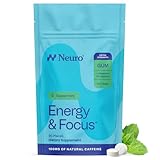
- Fast-Acting Nootropic - Our energy supplements deliver an extra boost of energy and clarity with a blend of natural caffeine, L-theanine, and vitamin b6 & b12. Your go-to chewing gum for work, exercise, and daily focus!
- Clean Energy - Each piece of our sugar free gum delivers 100mg of natural caffeine from green coffee beans for a smooth energy boost without crashes or jitters.
- The Perfect Balance - With 60mg of L-theanine per piece, our energy and focus formula promotes enhanced focus and stress reduction to smooth energy boosts.
- How to Use - Chew one piece of the caffeine gum whenever focus or energy is lacking. Ideal for mornings, pre-workout, or afternoon slumps. Effects typically kick in within minutes thanks to optimal absorption through the mouth.
- Made by Neuro, Backed by Science - At Neuro, we combine neuroscience with clean, science backed ingredients to help you do more, think better, and feel your best every single day.
Common Misconceptions
- Misconception: Coffee directly causes depression.
- Reality: While excessive caffeine can worsen anxiety and sleep problems, which are linked to depression, coffee itself is not a direct cause of clinical depression. Some studies even suggest a protective effect.
- Misconception: If you feel tired, more coffee is always the answer.
- Reality: Persistent fatigue often signals an underlying issue like poor sleep, dehydration, or nutritional deficiency. Relying solely on coffee can mask these problems and lead to dependency and sleep disruption.
- Misconception: All coffee is the same in its effect on mood.
- Reality: Caffeine content varies by bean type, roast, and brewing method. Furthermore, individual genetics and tolerance play a huge role in how coffee affects mood.
- Misconception: Coffee is a healthy alternative to sleep.
- Reality: Coffee can temporarily boost alertness but cannot replace the restorative benefits of adequate sleep. Chronic sleep deprivation has serious negative impacts on mood and health.
- Misconception: If you stop drinking coffee, you’ll definitely become depressed.
- Reality: While withdrawal symptoms like fatigue and irritability are common, they are temporary. These feelings are distinct from clinical depression, although they can feel unpleasant.
- Misconception: Adding sugar or cream negates the negative effects of caffeine.
- Reality: While sugar can provide a quick energy burst, it’s often followed by a crash that can negatively impact mood. Cream adds calories and fat. These additions don’t mitigate caffeine’s core effects on the nervous system.
- Misconception: Coffee causes long-term mood disorders.
- Reality: For most people, the mood effects of coffee are temporary and related to caffeine’s stimulant properties or withdrawal. It’s not typically considered a cause of chronic mood disorders.
- Misconception: Decaf coffee has no effect on mood.
- Reality: Decaf coffee still contains small amounts of caffeine. It also contains other compounds that might have subtle effects. The ritual and warmth can also contribute to mood.
- Misconception: You can build up a tolerance to the negative effects of coffee, like anxiety.
- Reality: While tolerance to caffeine’s stimulant effects can develop, leading to less pronounced alertness or energy boost, tolerance to anxiety-inducing effects is less common. Many people remain sensitive to caffeine’s ability to trigger anxiety.
FAQ
- Q: Does drinking coffee make you depressed if you stop?
A: Stopping coffee can cause withdrawal symptoms like fatigue, irritability, and headaches, which might feel like a temporary dip in mood. These symptoms are usually temporary and distinct from clinical depression.
- Q: Can coffee improve my mood if I’m feeling down?
A: For some, the caffeine in coffee can provide a temporary mood lift by influencing neurotransmitters like dopamine. However, this effect is short-lived and not a solution for persistent low mood.
- Q: Is it true that coffee drinkers are less likely to be depressed?
A: Some studies suggest a correlation between moderate coffee consumption and a lower risk of depression. However, correlation doesn’t equal causation, and individual responses vary greatly.
- Q: How much coffee is too much for my mood?
A: This varies significantly by individual. Generally, more than 400 mg of caffeine per day (about 4 cups of brewed coffee) can lead to negative side effects like anxiety and sleep problems, which can worsen mood.
- Q: Can coffee cause anxiety?
A: Yes, caffeine is a stimulant and can trigger or worsen anxiety symptoms in sensitive individuals, especially at higher doses. Symptoms can include jitters, racing heart, and nervousness.
- Q: What should I do if coffee makes me feel anxious or depressed?
A: If coffee negatively impacts your mood, consider reducing your intake, switching to decaf, or avoiding it altogether. It’s also wise to discuss persistent mood issues with a healthcare professional.
- Q: Does the type of coffee matter for mood?
A: The caffeine content varies between different coffee types and preparations. Highly caffeinated drinks or those loaded with sugar can have a more pronounced, and potentially negative, impact on mood compared to a simple black coffee.
What This Page Does Not Cover (And Where to Go Next)
- Specific Medical Advice: This page provides general information and does not offer medical diagnosis or treatment. For concerns about depression, anxiety, or caffeine’s impact on your health, consult a doctor or mental health professional.
- Detailed Nutritional Breakdown of Coffee: While antioxidants are mentioned, a comprehensive look at all the compounds in coffee and their specific health impacts is beyond this scope.
- Brewing Techniques for Mood-Altering Effects: This article focuses on the physiological and psychological effects of coffee consumption rather than how different brewing methods might subtly influence the experience.
- Interactions with Medications: Caffeine can interact with certain medications. Information on these specific interactions should be sought from a pharmacist or doctor.
- Long-Term Psychological Studies: While general correlations are discussed, this page doesn’t delve into the nuances of extensive longitudinal studies on coffee and mental health.