
Can Coffee Consumption Contribute to Depression?
Quick answer
- Research on coffee consumption and depression is complex, with no simple yes or no answer.
- Some studies suggest a potential link between heavy coffee intake and increased depression risk, while others find no association or even a protective effect.
- The impact can vary greatly depending on individual sensitivity, genetics, and the amount of coffee consumed.
- Factors like caffeine withdrawal, sleep disruption, and underlying mental health conditions can play a significant role.
- It’s crucial to differentiate between correlation and causation when examining this relationship.
What this problem usually is (and is not)
- This topic explores the nuanced relationship between caffeine intake and mood disorders, specifically depression.
- It is not about diagnosing depression or providing medical advice; consult a healthcare professional for mental health concerns.
- The focus is on scientific research and potential biological or psychological mechanisms, not anecdotal evidence alone.
- It aims to clarify whether coffee is a direct cause of depression, a contributing factor, or something that might even offer benefits for some individuals.
- Understanding this connection requires looking at moderate vs. heavy consumption and individual responses.
Likely causes (triage list)
Caffeine Sensitivity and Overconsumption:
- High Caffeine Intake: Consuming significantly more than the generally recommended 400 mg of caffeine per day (about 4 cups of brewed coffee) can lead to anxiety, jitters, and sleep disturbances, which can exacerbate depressive symptoms. Confirm by tracking your daily intake.
- Individual Sensitivity: Some people are genetically predisposed to metabolize caffeine slower, making them more susceptible to its negative effects. This can be harder to confirm without genetic testing, but note if you feel unwell after even small amounts.
If you’re looking to manage your caffeine intake more precisely, consider caffeine supplements. They can help you track your dosage accurately, which is crucial when exploring the link between caffeine and mood.
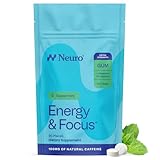
- Fast-Acting Nootropic - Our energy supplements deliver an extra boost of energy and clarity with a blend of natural caffeine, L-theanine, and vitamin b6 & b12. Your go-to chewing gum for work, exercise, and daily focus!
- Clean Energy - Each piece of our sugar free gum delivers 100mg of natural caffeine from green coffee beans for a smooth energy boost without crashes or jitters.
- The Perfect Balance - With 60mg of L-theanine per piece, our energy and focus formula promotes enhanced focus and stress reduction to smooth energy boosts.
- How to Use - Chew one piece of the caffeine gum whenever focus or energy is lacking. Ideal for mornings, pre-workout, or afternoon slumps. Effects typically kick in within minutes thanks to optimal absorption through the mouth.
- Made by Neuro, Backed by Science - At Neuro, we combine neuroscience with clean, science backed ingredients to help you do more, think better, and feel your best every single day.
Sleep Disruption:
- Interference with Sleep Cycles: Caffeine consumed too close to bedtime can disrupt sleep quality and duration, leading to fatigue and low mood, common symptoms of depression. Check your evening coffee habits.
- Worsening of Insomnia: For individuals already struggling with insomnia, caffeine can further impair their ability to fall asleep or stay asleep. Note if your sleep quality declines on days you drink coffee, especially late in the day.
Withdrawal Symptoms:
- Caffeine Withdrawal Headaches and Fatigue: Suddenly reducing or stopping coffee intake can trigger withdrawal symptoms like headaches, irritability, and fatigue, which can be mistaken for depression. Observe your mood and physical state when you skip coffee.
- Mood Swings: Some individuals experience significant mood fluctuations during caffeine withdrawal. This can be transient but distressing.
Underlying Mental Health Conditions:
- Exacerbation of Pre-existing Depression: For those already experiencing depression, excessive caffeine can worsen anxiety or trigger manic episodes in individuals with bipolar disorder. It’s important to consider if your mood issues predate or are significantly amplified by coffee use.
- Anxiety Disorders: Caffeine can mimic or worsen symptoms of anxiety disorders, which often co-occur with depression.
Other Lifestyle Factors:
- Poor Diet and Hydration: Relying on coffee as a primary beverage can sometimes lead to neglecting proper nutrition and hydration, both crucial for mental well-being. Assess your overall diet and water intake.
- Stress Levels: High stress combined with caffeine can create a cycle of anxiety and fatigue that impacts mood.
Fix it step-by-step (brew workflow)
This section is not applicable as the article is about the consumption of coffee and its potential effects on mood, not about fixing a coffee brewing problem.
Prevent it next time
- Moderate Consumption: Aim for no more than 400 mg of caffeine per day, which is roughly 4 cups of standard brewed coffee.
- Mind Your Timing: Avoid consuming coffee within 6-8 hours of bedtime to protect sleep quality.
- Listen to Your Body: Pay attention to how coffee makes you feel; if you notice increased anxiety or jitters, consider reducing your intake.
- Stay Hydrated: Drink plenty of water throughout the day, especially when consuming caffeine.
- Balanced Diet: Ensure you’re getting adequate nutrition from whole foods, as this supports overall mood and energy levels.
- Prioritize Sleep: Establish a consistent sleep schedule and create a relaxing bedtime routine.
- Manage Stress: Incorporate stress-reducing activities like exercise, meditation, or spending time in nature.
- Be Aware of Withdrawal: If you decide to cut back, do so gradually to minimize potential withdrawal symptoms.
- Consult a Professional: If you experience persistent low mood or symptoms of depression, seek advice from a healthcare provider.
Common mistakes (and what happens if you ignore them)
| Mistake | What it causes | Fix |
|---|---|---|
| Consuming coffee late in the day | Sleep disruption, insomnia, and subsequent fatigue and low mood. | Shift your coffee consumption to earlier in the day, ideally before noon. |
| Ignoring individual caffeine sensitivity | Increased anxiety, jitters, heart palpitations, and worsened mood symptoms. | Reduce your intake or switch to lower-caffeine options like decaf or tea. |
| Using coffee to mask fatigue | Temporary energy boost followed by a crash, potentially worsening underlying fatigue and mood. | Address the root cause of fatigue through sleep, diet, and stress management. |
| Sudden cessation of coffee intake | Caffeine withdrawal symptoms like severe headaches, irritability, and depression-like feelings. | Gradually decrease your coffee intake over several days or weeks. |
| Relying solely on coffee for energy | Neglecting essential nutrients and hydration, leading to a cycle of dependency and poor health. | Ensure a balanced diet and adequate water intake; use coffee as a supplement, not a substitute. |
| Not considering pre-existing mental health conditions | Coffee can exacerbate symptoms of anxiety or trigger mood swings in those with bipolar disorder. | Consult a doctor or mental health professional about how coffee might interact with your condition. |
| Overestimating caffeine tolerance | Believing you can handle large amounts without consequence, leading to negative physical and mental effects. | Be honest about your body’s signals and err on the side of caution with intake. |
| Not staying hydrated | Dehydration can worsen fatigue and headaches, which can be amplified by caffeine. | Drink water consistently throughout the day, especially alongside coffee. |
Decision rules (simple if/then)
- If you experience increased anxiety or jitters after drinking coffee, then reduce your intake because caffeine can overstimulate the nervous system.
- If you have trouble sleeping at night, then avoid coffee in the afternoon and evening because caffeine has a long half-life and can interfere with sleep cycles.
- If you notice your mood significantly dips on days you don’t drink coffee, then you may be experiencing withdrawal, so try tapering off gradually because abrupt cessation can cause unpleasant symptoms.
- If you have a diagnosed anxiety disorder, then discuss your coffee consumption with your doctor because caffeine can exacerbate anxiety symptoms.
- If you feel a significant energy crash after your coffee wears off, then re-evaluate your sleep hygiene and diet because coffee is a stimulant, not a substitute for rest and proper nutrition.
- If you are pregnant or breastfeeding, then consult your doctor about safe caffeine limits because caffeine can affect fetal development and be passed through breast milk.
- If you experience heart palpitations or a racing heart after coffee, then reduce your intake or consider decaf because caffeine can affect heart rate and rhythm.
- If your coffee consumption is consistently over 400 mg per day, then consider cutting back because this amount is associated with increased risk of negative side effects.
- If you are trying to manage depression, then discuss your caffeine intake with your mental health professional because it can interact with mood and medication.
- If you feel your mood improves after drinking coffee, then it’s likely a temporary stimulant effect, but be mindful of potential downsides if consumption is excessive.
FAQ
Does coffee cause depression?
No, current research does not definitively state that coffee causes depression. The relationship is complex and can vary greatly by individual.
Can drinking too much coffee make me feel depressed?
Excessive caffeine intake can lead to anxiety, sleep disruption, and withdrawal symptoms that may mimic or worsen feelings of depression in some individuals.
Is decaf coffee a better option for mood?
Decaf coffee contains significantly less caffeine, so it’s less likely to cause the negative side effects associated with high caffeine intake, such as anxiety and sleep disturbance.
What are the signs of caffeine withdrawal?
Common symptoms include headaches, fatigue, irritability, difficulty concentrating, and a depressed mood.
How much coffee is too much?
For most healthy adults, up to 400 mg of caffeine per day (about 4 cups of brewed coffee) is generally considered safe. However, individual tolerance varies.
Can coffee help with depression?
Some studies suggest a potential protective effect of moderate coffee consumption against depression, possibly due to its stimulant properties or antioxidants, but this is not a treatment for depression.
Should I stop drinking coffee if I have depression?
It’s best to discuss your coffee consumption with your doctor or mental health provider, especially if you have concerns about its impact on your mood or medication.
What is the link between caffeine and anxiety?
Caffeine is a stimulant that can increase alertness and energy, but in higher doses or sensitive individuals, it can trigger or worsen anxiety symptoms.
What this page does NOT cover (and where to go next)
- This page does not provide medical diagnoses or treatment plans for depression.
- It does not offer specific recommendations for caffeine intake based on individual medical conditions.
- It does not review the effectiveness of specific antidepressant medications.
- For concerns about mental health, consult a qualified healthcare professional or a licensed therapist.
- To understand your body’s response to caffeine more deeply, consider discussing genetic predispositions with a medical professional.
- For information on managing depression, explore resources from reputable mental health organizations.