
Coffee and Cholesterol Levels: What the Research Shows
Quick answer
- Research on coffee and cholesterol is mixed, with some studies showing a link and others not.
- Unfiltered coffee, like French press or boiled coffee, seems more likely to affect cholesterol.
- Filtered coffee, like drip or pour-over, generally doesn’t appear to raise cholesterol levels.
- The compounds in coffee that might affect cholesterol are called diterpenes.
- Individual responses to coffee can vary.
- If you’re concerned, talk to your doctor.
Key terms and definitions
- Cholesterol: A waxy substance your body needs to build cells. Too much can increase your risk of heart disease.
- LDL Cholesterol: Often called “bad” cholesterol, high levels can clog arteries.
- HDL Cholesterol: Known as “good” cholesterol, it helps remove LDL from your arteries.
- Diterpenes: Natural compounds found in coffee beans, specifically cafestol and kahweol.
- Unfiltered Coffee: Coffee brewed without a paper filter, allowing oils and diterpenes to pass through.
- Filtered Coffee: Coffee brewed with a paper filter, which traps most of the oils and diterpenes.
- Cardiovascular Disease: A broad term for conditions affecting the heart and blood vessels.
- Epidemiological Studies: Research that looks at patterns of health and disease in large groups of people.
- Clinical Trials: Studies where participants are given a specific intervention to see its effect.
- Caffeine: A stimulant in coffee, but research suggests diterpenes are the main culprits for cholesterol effects.
How it works
- Coffee beans contain natural oils, including compounds called diterpenes.
- Two main diterpenes are cafestol and kahweol.
- These diterpenes have been shown in some studies to affect how your body processes cholesterol.
- They can increase LDL cholesterol and, to a lesser extent, HDL cholesterol.
- The impact depends heavily on the brewing method.
- Unfiltered brewing methods don’t remove these oils.
- Filtered methods use paper to absorb many of these diterpenes.
- So, the mechanism is about what gets into your cup.
What affects the result
- Brewing Method: This is the big one. French press, espresso, and boiled coffee are unfiltered. Drip and pour-over are filtered.
- Coffee Type: Robusta beans tend to have more diterpenes than Arabica beans.
- Roast Level: Lighter roasts might retain slightly more diterpenes, but the brewing method is more significant.
- Amount Consumed: Drinking several cups of unfiltered coffee daily will have a greater potential impact than one.
- Individual Genetics: Some people are more sensitive to the effects of diterpenes than others.
- Dietary Habits: Your overall diet plays a huge role in cholesterol levels, independent of coffee.
- Lifestyle Factors: Exercise, smoking, and stress all influence cholesterol.
- Pre-existing Health Conditions: Conditions like diabetes or liver disease can affect cholesterol metabolism.
- Medications: Certain drugs can impact cholesterol levels.
- How You Take Your Coffee: Adding cream or lots of sugar might have its own effects, separate from the coffee itself.
- Freshness of Beans: While freshness is key for flavor, its direct impact on diterpenes and cholesterol is less studied than brewing.
- Water Quality: Not directly related to cholesterol, but good water makes good coffee.
When considering coffee types, Robusta beans are known to have higher diterpene levels than Arabica, which could be a factor if you’re monitoring cholesterol.
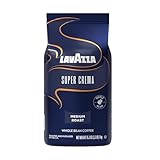
- SUPER CREMA: A 2.2 lb whole bean coffee bag ideal for espresso preparation
- INTENSITY AND ROAST: This full-bodied medium roast offers a bold and creamy finish
- BLEND: Made from Arabica and Robusta beans, this naturally caffeinated blend is sourced from 15 coffee-growing countries around the world
- PREPARATION: Ideal for espresso preparation.
- BREWING GUIDE FOR SINGLE ESPRESSO: 0.28 oz of ground espresso delivers a 1 oz espresso shot
Pros, cons, and when it matters
- Pro: Coffee offers antioxidants and can boost alertness.
- Con: Unfiltered coffee may raise LDL cholesterol.
- Pro: Filtered coffee appears to have minimal impact on cholesterol.
- Con: The effect is dose-dependent; more unfiltered coffee means more potential impact.
- Pro: You can switch to filtered methods if concerned.
- Con: Some people enjoy the richer mouthfeel of unfiltered coffee.
- When it matters: If you have high cholesterol or a history of heart disease.
- When it matters: If your doctor has advised you to monitor your lipid levels closely.
- When it matters: If you drink multiple cups of French press or espresso daily.
- When it matters: If you’re looking for the healthiest way to enjoy your daily brew.
- When it matters: If you’re sensitive to dietary changes affecting your health markers.
- When it matters: For those who prefer a clear, clean cup.
Common misconceptions
- Myth: All coffee raises cholesterol.
- Reality: Filtered coffee generally does not.
- Myth: Caffeine is the culprit.
- Reality: It’s the diterpenes (cafestol and kahweol) in the coffee oils.
- Myth: You have to give up coffee if you have high cholesterol.
- Reality: Switching to filtered methods is often enough.
- Myth: Espresso always raises cholesterol.
- Reality: Espresso has diterpenes, but the small serving size often limits the impact compared to a large mug of French press. Still, it’s unfiltered.
- Myth: Dark roasts are worse for cholesterol.
- Reality: Brewing method is a much bigger factor than roast level.
- Myth: Cold brew is always safe for cholesterol.
- Reality: Most cold brew is unfiltered, so it can still contain diterpenes.
- Myth: Only very high cholesterol levels are affected.
- Reality: Even modest increases can be a concern for some individuals.
- Myth: You’ll notice a cholesterol change immediately.
- Reality: Cholesterol changes are typically gradual and require blood tests to detect.
- Myth: All paper filters are the same.
- Reality: While most trap diterpenes effectively, filter quality can vary slightly.
- Myth: If you feel fine, your cholesterol is fine.
- Reality: High cholesterol often has no symptoms.
FAQ
Does drinking French press coffee raise my cholesterol?
French press is an unfiltered method. The oils and diterpenes from the coffee grounds pass into your cup. Some studies suggest this can lead to an increase in LDL cholesterol.
Is drip coffee considered filtered?
Yes, standard drip coffee makers use paper filters that are effective at trapping most of the diterpenes. This means drip coffee is generally considered safe for your cholesterol levels.
What are diterpenes in coffee?
Diterpenes are natural compounds found in coffee beans, primarily cafestol and kahweol. They are responsible for some of coffee’s flavor and aroma, but they can also influence cholesterol metabolism.
How much unfiltered coffee is too much?
There’s no single magic number, as it depends on your individual sensitivity and other factors. However, drinking several cups of unfiltered coffee daily is more likely to have an impact than just one.
Can I still drink espresso?
Espresso is unfiltered. While the serving size is small, it does contain diterpenes. If you have concerns about cholesterol, you might want to limit espresso or discuss it with your doctor.
Are there specific coffee beans that are better or worse?
Robusta beans generally have higher levels of diterpenes than Arabica beans. However, the brewing method is a much more significant factor in whether those diterpenes reach your cup.
What if I have high cholesterol already?
If you have high cholesterol, it’s a good idea to discuss your coffee habits with your doctor. They can advise you on whether switching to filtered coffee or moderating your intake is necessary.
Will switching to filtered coffee lower my cholesterol?
For many people, switching from unfiltered to filtered coffee can help lower LDL cholesterol levels. It’s a practical step to take if this is a concern for you.
Does adding milk or cream to coffee affect cholesterol?
The milk or cream itself can contain fat and cholesterol, depending on the type used. However, this is separate from the diterpene effect of the coffee itself.
Is there a way to remove diterpenes from unfiltered coffee?
Not really, beyond using a filter. The oils are an inherent part of the brewing process for methods like French press or boiled coffee.
What this page does NOT cover (and where to go next)
- Specific recommendations for individuals with pre-existing heart conditions. Talk to your cardiologist.
- Detailed breakdowns of diterpene levels in every single coffee bean varietal. Explore coffee science resources.
- The impact of specific coffee additives like sugar substitutes or artificial sweeteners. Check nutrition guidelines.
- How to interpret specific cholesterol blood test results. Consult a healthcare professional.
- Alternative health benefits or risks of coffee consumption beyond cholesterol. Look into general health and nutrition.