
Decaf Coffee and Potential Weight Gain Factors
Quick answer
- Decaf coffee itself does not directly cause weight gain.
- Any perceived weight gain is more likely due to added ingredients like sugar, cream, or flavored syrups.
- Decaf coffee still contains trace amounts of caffeine, which can have a minor metabolic effect, but not enough to cause significant weight changes.
- The process of decaffeination does not add calories or fat.
- Focusing on a balanced diet and regular exercise are the primary drivers of weight management.
- If you are concerned about weight, review what you add to your decaf coffee and your overall dietary habits.
Key terms and definitions
- Decaffeination: The process of removing caffeine from coffee beans.
- Calorie: A unit of energy, primarily derived from food and drink, that the body uses.
- Metabolism: The chemical processes that occur within a living organism in order to maintain life. This includes breaking down food for energy.
- Caffeine: A natural stimulant found in coffee, tea, and other plants, known for its energizing effects.
- Additives: Ingredients such as sugar, milk, cream, or syrups that are added to coffee.
- Body Mass Index (BMI): A measure of body fat based on height and weight.
- Empty Calories: Calories that provide little to no nutritional value.
- Sugar: A sweet carbohydrate that provides calories and can contribute to weight gain when consumed in excess.
- Fat: A macronutrient that provides energy and is essential for bodily functions, but also calorie-dense.
- Water Retention: The accumulation of excess fluid in the body’s tissues.
How it works
- Coffee beans, whether regular or decaf, are roasted to develop their flavor.
- The decaffeination process typically involves using solvents or water to extract caffeine from green coffee beans before roasting.
- Regardless of decaffeination, the beans retain their natural oils and flavor compounds.
- When brewed, hot water passes through the ground decaf coffee, extracting soluble compounds that create the beverage’s taste and aroma.
- The resulting liquid is essentially flavored water with minimal calories, protein, or fat from the coffee itself.
- Any calories or macronutrients present in the final cup come almost entirely from what is added to the decaf coffee.
- The human body processes the components of decaf coffee similarly to water, with negligible caloric impact from the coffee itself.
- The decaffeination process aims to remove the majority of caffeine, typically leaving only a very small residual amount.
- This residual caffeine is generally not enough to trigger significant metabolic changes associated with weight management.
- The primary function of decaf coffee in terms of energy intake is its volume and the very few calories it might contain from the bean itself.
Enjoying your decaf coffee is part of the experience, and the right vessel can enhance that. Consider a nice coffee mug to make your daily ritual more enjoyable.
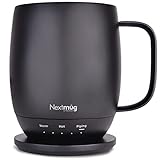
- ALWAYS THE PERFECT TEMPERATURE – The Nextmug will keep your hot coffee, tea or preferred beverage at the perfect temperature wherever you are. Simply select Warm (130° F), Hot (140° F), or Piping (150° F) and enjoy for hours.
- SMART MUG TECHNOLOGY – Long-lasting battery maintains your ideal temperature. LED lights display battery life & real-time temperature. Includes Spill-Resistant Lid & Charging Coaster.
- SUPER SIMPLE – On-board Control Button easily turns mug On/Off & sets the temperature. Takes only seconds to set the mug to your perfect temperature. No app required - no passwords, re-booting or security concerns.
- THE PERFECT GIFT - Give the gift for him and the gift for her that is certain to delight. Perfect for everyone on your list…moms, dads, grandmas, grandpas, teachers, birthdays, graduations and more!
- NEXTMUG CARES - Nextmug cares about our communities and our customers. We care by donating Nextmugs to teachers and first responders . We’re also committed to sustainable packaging by using 100% recyclable materials with all our products. Our dedicated customer service agents are based in the USA and always ready to help.
What affects the result
- Added Sugars: Sweeteners like granulated sugar, honey, or artificial sweeteners significantly increase the calorie count.
- Dairy and Creamers: Whole milk, half-and-half, heavy cream, and non-dairy creamers contribute substantial calories and fat.
- Flavored Syrups: Many popular coffee shop syrups are high in sugar and calories, transforming a simple beverage into a dessert.
- Portion Size: Larger servings of decaf coffee, especially those with rich additions, mean more overall calorie intake.
- Frequency of Consumption: Drinking high-calorie decaf coffee beverages daily can lead to a cumulative caloric surplus.
- Overall Diet: Weight gain is a result of consuming more calories than you burn, regardless of the source. Decaf coffee with additives can contribute to this surplus.
- Individual Metabolism: While decaf coffee has little impact, a person’s baseline metabolic rate influences how many calories they burn at rest.
- Physical Activity Levels: The amount of exercise and daily movement directly affects calorie expenditure.
- Hydration: While decaf coffee is a fluid, relying on it exclusively instead of water might affect overall hydration and bodily functions.
- Nutritional Content of Additives: Some additives contain vitamins or minerals, but their caloric contribution often outweighs any nutritional benefit for weight management.
- Preparation Method: While less impactful for decaf, brewing methods can slightly affect the extraction of oils and solids from the coffee grounds.
- Type of Milk Alternative: For those using non-dairy options, ingredients like coconut, almond, or oat milk can vary significantly in their calorie and fat content.
Flavored syrups are a common culprit for adding hidden calories to decaf coffee. If you enjoy a touch of sweetness and flavor, consider exploring options like these coffee syrup flavors, but always be mindful of their sugar content.
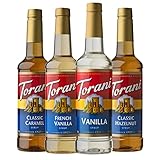
- Coffee Flavor Variety Pack: Perfect for making your own flavored lattes, mochas, cappuccinos and more, this variety pack includes 1 bottle of each: Caramel, French Vanilla, Vanilla and Hazelnut
- Flavoring Syrups: Made with pure cane sugar, natural flavors and cold-filtered water, Torani Original Syrups provide gold-standard flavors and vibrant colors to create amazing drink experiences
- Authentic Coffeehouse Flavor: From caramel to French vanilla to hazelnut—and everything in between—our syrups and sauces are here to help you create tantalizing lattes, cappuccinos, cold brews and frappes
- Find Your Recipe: We are here to help you create tantalizing drinks for every taste, occasion, and mood; Mix up some magic with caramel, lavender, pumpkin pie, hazelnut, chocolate, and many more flavors
- Flavor For All: Discover how Torani can help you make truly creative flavored teas, lemonades, smoothies, milkshakes, Italian sodas, coffees, cocktails, mocktails, snow cones, sparkling waters and more
Pros, cons, and when it matters
- Pro: Lower Caffeine: Ideal for those sensitive to caffeine or who want to enjoy coffee later in the day without sleep disruption. This can indirectly support weight management by promoting better sleep hygiene.
- Con: Potential for High Calories (with additives): When loaded with sugar, cream, and syrups, decaf coffee can become a significant source of empty calories, contributing to weight gain. This matters greatly if you are trying to lose or maintain weight.
- Pro: Enjoyment and Ritual: Decaf coffee offers the taste and ritual of coffee drinking without the stimulant effects, which can be psychologically beneficial and help satisfy cravings that might otherwise lead to less healthy choices.
- Con: Trace Amounts of Caffeine: While minimal, some decaf coffee still contains a very small amount of caffeine. For extremely sensitive individuals, this might have a minor effect, though not typically related to weight gain.
- Pro: Hydration: Like regular coffee, decaf coffee contributes to daily fluid intake, which is essential for overall health and can support weight management by promoting satiety.
- Con: Misleading Perception: Some people might mistakenly believe decaf coffee is “free” of calories and indulge in larger quantities or more frequent, high-calorie additions, assuming it won’t impact their weight. This is where understanding the ingredients matters.
- Pro: Reduced Acidity (sometimes): Certain decaffeination processes can reduce the acidity of coffee, making it easier on the stomach for some individuals. This is a comfort factor, not directly related to weight.
- Con: Decaffeination Process: While generally safe, the methods used to decaffeinate coffee can be a concern for some, though they do not add calories.
- Pro: Supports Social Habits: Enjoying coffee with friends or colleagues is a social activity. Decaf allows participation without the effects of caffeine, which can be important for maintaining social routines that might indirectly support well-being.
- Con: Cost: Decaf coffee can sometimes be slightly more expensive than regular coffee due to the added processing step. This is a financial consideration, not a weight-related one.
- When it matters: The impact of decaf coffee on weight is almost entirely determined by what you add to it and your overall dietary pattern. If you’re monitoring calorie intake for weight management, pay close attention to the sweeteners, creams, and syrups.
Common misconceptions
- Misconception: Decaf coffee is calorie-free.
- Reality: While very low in calories, decaf coffee does contain a negligible amount of calories from the coffee bean itself. The primary calorie source comes from additives.
- Misconception: Decaf coffee can cause weight gain on its own.
- Reality: The decaffeination process does not add calories or fat. Any weight gain is due to the caloric content of added ingredients.
- Misconception: Decaf coffee has zero caffeine.
- Reality: Decaffeination removes about 97-99% of caffeine. Trace amounts remain, but are not significant enough to cause weight gain.
- Misconception: All decaf coffee tastes the same and is bland.
- Reality: Flavor varies widely based on bean origin, roast level, and brewing method, just like regular coffee.
- Misconception: The decaffeination process removes all flavor from the coffee.
- Reality: While some subtle flavor nuances might be altered, the core flavor profile of the coffee bean is largely preserved.
- Misconception: Drinking decaf coffee helps you lose weight.
- Reality: Decaf coffee itself does not have weight-loss properties. It’s the absence of caffeine’s stimulant effect, not a metabolic boost.
- Misconception: You can drink unlimited amounts of sweetened decaf coffee without consequence.
- Reality: Sugary or creamy decaf beverages can contribute significantly to daily calorie intake and hinder weight management goals.
- Misconception: Decaf coffee is unhealthy.
- Reality: Decaf coffee, especially when consumed black or with minimal healthy additions, is generally considered a safe and healthy beverage.
- Misconception: The chemicals used in decaffeination are harmful and lead to weight gain.
- Reality: Approved decaffeination methods use solvents that are removed during processing, and the final product is safe for consumption. They do not cause weight gain.
FAQ
Q: Does decaf coffee have any calories?
A: Yes, decaf coffee has a very small number of calories, typically less than 5 calories per cup, derived from the coffee bean itself. The significant calorie count comes from what you add to it.
Q: Can drinking decaf coffee make me gain weight if I add sugar and cream?
A: Yes, if you add significant amounts of sugar, cream, flavored syrups, or other high-calorie ingredients to your decaf coffee, it can absolutely contribute to weight gain.
Q: Is the decaffeination process harmful or does it add unhealthy components?
A: The methods used for decaffeination are regulated and designed to remove caffeine safely. They do not add unhealthy components that would lead to weight gain.
Q: If decaf coffee doesn’t cause weight gain, why do some people think it does?
A: This misconception likely arises from people consuming decaf coffee with high-calorie additions, or confusing it with the metabolic effects of caffeine in regular coffee.
Q: Does decaf coffee have any effect on my metabolism?
A: Decaf coffee has a negligible effect on metabolism. While regular coffee with caffeine can provide a slight temporary boost, decaf lacks this stimulant effect.
Q: Should I avoid decaf coffee if I’m trying to lose weight?
A: No, you do not need to avoid decaf coffee. Focus on consuming it black or with minimal, low-calorie additions to keep your intake in check.
Q: Are there any benefits to drinking decaf coffee for weight management?
A: Indirectly, decaf coffee can support weight management by allowing you to enjoy a warm beverage ritual without the stimulant effects of caffeine, potentially reducing cravings for less healthy snacks.
Q: How much caffeine is typically left in decaf coffee?
A: Decaffeinated coffee typically has about 1-2% of the original caffeine content. This is usually too little to have a noticeable impact on metabolism or weight.
What this page does NOT cover (and where to go next)
- Specific brands or types of decaf coffee and their nutritional profiles.
- Detailed nutritional breakdowns of various coffee additives like syrups and milks.
- Advanced weight loss strategies or diet plans.
- Medical advice regarding weight management or health conditions.
- The precise chemical compounds used in different decaffeination processes.