
Coffee and Anxiety: What People Are Saying Online
Quick answer
- For many, coffee can increase anxiety due to caffeine’s stimulant effects.
- Factors like individual sensitivity, dosage, and brewing method play a role.
- Some Reddit users report a direct link between coffee consumption and heightened anxiety symptoms.
- Others find that moderation or specific brewing methods mitigate negative effects.
- Decaffeinated coffee is a common alternative for those sensitive to caffeine.
- Understanding your personal reaction is key to enjoying coffee without exacerbating anxiety.
If you’re sensitive to caffeine’s effects on anxiety, consider trying decaffeinated coffee. It offers the flavor and ritual of coffee with significantly less caffeine.
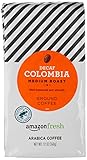
- Balanced, full-bodied medium roast with a smooth finish
- One 12-ounce bag of ground coffee
- Decaffeinated
- 100% Arabica coffee grown in Colombia
- Roasted and packed in the U.S.A.
Key terms and definitions
- Caffeine: A natural stimulant found in coffee beans, known for its ability to increase alertness and energy.
- Anxiety: A feeling of worry, nervousness, or unease, typically about an imminent event or something with an uncertain outcome.
- Stimulant: A substance that raises levels of physiological or nervous system activity in the body.
- Dosage: The amount of caffeine consumed, which can significantly impact its effects on the body.
- Individual Sensitivity: How a person’s body uniquely responds to substances like caffeine, varying from person to person.
- Brewing Method: The process used to extract coffee from beans, which can affect the final caffeine content and flavor profile.
- Decaffeination: A process that removes most of the caffeine from coffee beans.
- Panic Attack: A sudden episode of intense fear that triggers severe physical reactions when there is no real danger or apparent cause.
- Withdrawal Symptoms: Physical and mental effects experienced when a regular caffeine user stops consuming it, such as headaches or fatigue.
- Gut-Brain Axis: The complex communication system between the digestive system and the brain, which can be influenced by food and drink.
How it works
- Caffeine acts as an adenosine receptor antagonist, blocking the effects of adenosine, a neurotransmitter that promotes relaxation and sleepiness.
- By blocking adenosine, caffeine increases the release of other neurotransmitters like dopamine and norepinephrine, leading to increased alertness and arousal.
- This heightened state of arousal can mimic or exacerbate symptoms of anxiety in susceptible individuals.
- Caffeine can also stimulate the adrenal glands to produce adrenaline, the “fight or flight” hormone, which can trigger physical anxiety responses like a racing heart or jitters.
- The digestive system can also be affected, with caffeine potentially increasing stomach acid production, which some people link to discomfort or anxiety.
- The process of brewing coffee involves extracting soluble compounds from roasted coffee beans using hot water.
- Different brewing methods expose the coffee grounds to water for varying lengths of time and at different pressures, influencing the extraction of caffeine and other compounds.
- For example, espresso, brewed under high pressure for a short time, can result in a concentrated dose of caffeine in a small volume.
- Drip coffee, which involves hot water slowly passing through grounds, typically yields a less concentrated but larger volume of caffeinated beverage.
- Cold brew, where coffee grounds are steeped in cold water for an extended period, often results in lower acidity and a smoother taste, potentially with a different perceived impact on anxiety.
What affects the result
- Coffee Bean Type: Different coffee bean varietals (e.g., Arabica vs. Robusta) naturally contain varying levels of caffeine. Robusta beans generally have significantly more caffeine.
- Roast Level: Lighter roasts tend to retain more caffeine than darker roasts, as some caffeine is lost during the longer roasting process for darker beans.
- Grind Size: A finer grind increases the surface area of the coffee, allowing for faster and potentially more complete caffeine extraction during brewing.
- Brewing Time: Longer contact time between water and coffee grounds generally leads to higher caffeine extraction.
- Water Temperature: Hotter water is more efficient at extracting soluble compounds, including caffeine, from coffee grounds.
- Coffee-to-Water Ratio: Using more coffee grounds relative to water will result in a more concentrated and thus more caffeinated brew.
- Individual Caffeine Metabolism: Genetic factors influence how quickly or slowly a person metabolizes caffeine. Some people are “fast metabolizers” and feel effects less intensely or for a shorter duration.
- Amount Consumed: The total quantity of coffee drunk directly correlates with the total caffeine intake.
- Added Ingredients: Cream, sugar, or flavored syrups do not directly affect caffeine content but can influence how the body processes the beverage and perceived effects.
- Time of Day: Consuming coffee later in the day can interfere with sleep, and poor sleep is a known contributor to increased anxiety.
- Hydration Levels: Being dehydrated can sometimes amplify the effects of stimulants like caffeine.
- Overall Stress Levels: If someone is already experiencing high stress or anxiety, the stimulant effects of caffeine may be more pronounced and unwelcome.
Pros, cons, and when it matters
- Pro: Increased Alertness and Focus: Caffeine is a well-known cognitive enhancer, helping many people feel more awake and capable of concentrating. This can be beneficial for tasks requiring sustained attention.
- Con: Exacerbated Anxiety Symptoms: For individuals prone to anxiety, caffeine’s stimulant properties can trigger or worsen feelings of nervousness, restlessness, and even panic.
- Pro: Improved Mood: Caffeine can boost dopamine levels, which may lead to a temporary improvement in mood for some individuals.
- Con: Sleep Disruption: Consuming coffee, especially later in the day, can interfere with sleep patterns, leading to insomnia and contributing to daytime fatigue and irritability, which can feed into anxiety.
- Pro: Physical Performance Enhancement: Caffeine is often used by athletes to improve endurance and performance due to its ability to mobilize fat stores for energy.
- Con: Digestive Upset: Coffee can stimulate bowel movements and increase stomach acid, which can be uncomfortable and, for some, a source of anxiety.
- Pro: Social Ritual: The act of preparing and sharing coffee is a significant social and cultural ritual for many, fostering connection and relaxation.
- Con: Dependence and Withdrawal: Regular caffeine consumption can lead to physical dependence, with withdrawal symptoms like headaches, fatigue, and mood changes occurring when intake is stopped.
- Pro: Antioxidant Properties: Coffee contains antioxidants that may offer some health benefits, though this is often secondary to its stimulant effects.
- Con: Increased Heart Rate and Blood Pressure: Caffeine can cause a temporary rise in heart rate and blood pressure, which can be concerning for individuals with pre-existing cardiovascular conditions or those highly sensitive to these changes.
- When it matters: For students facing exams, professionals with demanding tasks, or individuals needing a morning boost, the pros of alertness can be significant. However, for those already managing anxiety disorders, sensitive individuals, or people struggling with sleep, the cons can heavily outweigh the benefits.
Common misconceptions
- Myth: All coffee has the same amount of caffeine. Reality: Caffeine content varies greatly depending on the bean type, roast, grind, and brewing method.
- Myth: Decaf coffee has no caffeine. Reality: Decaffeinated coffee still contains a small amount of caffeine, typically around 2-5% of its original content.
- Myth: Coffee directly causes anxiety disorders. Reality: While caffeine can trigger or worsen anxiety symptoms in susceptible individuals, it does not typically cause a clinical anxiety disorder on its own.
- Myth: Adding milk or sugar reduces caffeine. Reality: Milk, sugar, and cream do not affect the caffeine content of coffee; they only alter its flavor and texture.
- Myth: Cold brew coffee is always lower in caffeine. Reality: While cold brew is often smoother and less acidic, its caffeine content can be very high due to the long steeping time and high coffee-to-water ratio.
- Myth: You can build a tolerance to all of caffeine’s negative effects. Reality: While tolerance can develop to some effects, sensitivity to anxiety-provoking aspects can persist or even increase in some individuals.
- Myth: Black coffee is healthier than coffee with additives. Reality: From a caffeine perspective, black coffee is just coffee. The health impact of additives like sugar and cream depends on the quantity consumed.
- Myth: The jitters from coffee are solely due to caffeine. Reality: While caffeine is a primary driver, other compounds in coffee and individual physiological responses can contribute to feelings of jitters.
FAQ
Q: Can coffee make my anxiety worse if I don’t have an anxiety disorder?
A: Yes, even if you don’t have a diagnosed anxiety disorder, caffeine’s stimulant effects can temporarily increase feelings of nervousness, restlessness, and a racing heart in anyone, especially in higher doses or if you are particularly sensitive.
Q: How much coffee is too much if I’m concerned about anxiety?
A: For most healthy adults, up to 400 milligrams of caffeine per day (about four 8-ounce cups of brewed coffee) is generally considered safe. However, if you experience anxiety symptoms, you may need to consume much less, potentially as little as one cup or even none. Pay attention to your body’s signals.
Q: Is decaf coffee a good option if coffee makes me anxious?
A: Decaffeinated coffee is often a good alternative. While it’s not completely caffeine-free, it contains significantly less, which can help reduce or eliminate caffeine-induced anxiety for many people.
Q: Does the brewing method really matter for anxiety?
A: Yes, the brewing method can affect caffeine concentration. Espresso, for instance, is highly concentrated, while a long drip brew or cold brew might deliver caffeine differently. Experimenting with methods that yield lower caffeine per serving might help.
Q: What are the first signs that coffee might be increasing my anxiety?
A: Common early signs include feeling jittery, restless, having a racing heart, difficulty concentrating despite feeling alert, or a general sense of unease or edginess shortly after drinking coffee.
Q: If I stop drinking coffee, will my anxiety decrease?
A: For some individuals, reducing or eliminating caffeine intake can lead to a noticeable decrease in anxiety symptoms. However, it’s important to consider that anxiety can have many causes, and caffeine is just one potential factor.
Q: Are there specific times of day when coffee is more likely to affect my anxiety?
A: Consuming coffee later in the day is more likely to impact anxiety because it can disrupt sleep. Poor sleep quality is a significant contributor to increased anxiety levels the following day.
What this page does NOT cover (and where to go next)
- Detailed medical advice for anxiety disorders. Consult a healthcare professional for diagnosis and treatment.
- Specific brand recommendations for low-caffeine or decaf coffee.
- In-depth scientific research on caffeine’s neurochemical pathways. Explore academic journals for more detailed information.
- Legal or regulatory information regarding caffeine content labeling.
- Recipes for coffee drinks that might mask or mitigate caffeine’s effects.