
The Digestive Effects of Oily Coffee Beans
Quick answer
- Oily coffee beans are often darker roasts, which can have a more noticeable effect on digestion for some people.
- The oils themselves aren’t the primary culprit; it’s more about the compounds in the coffee and the roasting process.
- Caffeine is a stimulant that can increase bowel activity, regardless of bean oiliness.
- Acidity in coffee can also contribute to digestive upset for sensitive individuals.
- The roasting process can alter compounds in the bean, potentially making them easier or harder to digest.
- For many, the digestive effects of coffee are individual and depend on personal sensitivity.
Key terms and definitions
- Oily Coffee Beans: Beans that have a shiny, slick surface, usually indicative of darker roasts where oils have been brought to the surface during roasting.
- Caffeine: A natural stimulant found in coffee that affects the central nervous system and can stimulate bowel movements.
- Acidity: Refers to the bright, tart, or tangy flavors in coffee, which can also be a factor in digestive comfort for some.
- Roasting: The process of heating green coffee beans to develop their flavor and aroma. Different roast levels (light, medium, dark) significantly impact the bean’s characteristics.
- Digestive System: The organs responsible for breaking down food, absorbing nutrients, and eliminating waste.
- Gut Microbiome: The community of microorganisms, including bacteria, fungi, and viruses, that live in the digestive tract.
- Stimulant: A substance that increases physiological or nervous activity in the body.
- Irritant: A substance that causes inflammation or discomfort.
- Chlorogenic Acids: Compounds found in coffee that have antioxidant properties but can also contribute to stomach acidity.
- Digestion: The process by which food is broken down and absorbed into the body.
How it works
- Coffee beans contain oils that are released during the roasting process. Darker roasts, which are often oilier, undergo longer roasting times.
- These oils can contribute to the aroma and mouthfeel of the coffee.
- The primary active compound in coffee affecting digestion is caffeine.
- Caffeine acts as a stimulant, increasing muscle contractions in the digestive tract.
- This increased motility can speed up the passage of food and waste, potentially leading to a bowel movement.
- Coffee also contains acids, like chlorogenic acids, which can stimulate stomach acid production.
- For some individuals, increased stomach acid can lead to heartburn or discomfort.
- The roasting process itself can break down certain compounds in the bean, potentially altering their impact on digestion.
- Darker roasts, with their higher oil content, may have undergone more chemical changes during roasting.
- Individual sensitivity to caffeine, acidity, and other coffee compounds varies greatly.
What affects the result
- Roast Level: Darker roasts tend to be oilier and can have a different digestive impact than lighter roasts.
- Bean Origin and Variety: Different coffee beans have inherent differences in their chemical composition.
- Freshness of Beans: Stale beans may have lost some of their desirable compounds and could potentially cause different digestive effects.
- Grind Size: A finer grind can lead to a more intense extraction, potentially releasing more compounds that affect digestion.
- Brewing Method: Methods like espresso, which use higher pressure and finer grinds, can extract compounds differently than drip coffee.
- Water Temperature: Water that is too hot or too cold can affect the extraction of oils and acids.
- Coffee-to-Water Ratio: A stronger brew (more coffee grounds per water) will result in a more concentrated cup with potentially more pronounced effects.
- Added Ingredients: Milk, cream, sugar, or artificial sweeteners can all influence how coffee affects your digestive system.
- Individual Sensitivity: People react differently to caffeine, acidity, and other compounds in coffee.
- Gut Health: The state of your existing gut microbiome can influence how your body processes coffee.
- Time of Consumption: Drinking coffee on an empty stomach might have a more immediate effect than after a meal.
- Amount Consumed: Drinking multiple cups of coffee will naturally have a greater effect than a single cup.
When considering how grind size affects your coffee’s digestive impact, remember that a finer grind can lead to a more intense extraction. If you’re looking to experiment with your coffee preparation, a quality coffee bean grinder is essential for achieving the perfect grind size for your brew.
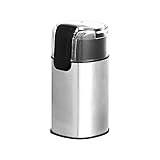
Amazon Basics Fast Electric Coffee Grinder for Home Use, Easy to Use Coffee Bean and Spice Grinder with Heavy-Duty Stainless Steel Grind Blades
- Electric coffee bean grinder appliance for home use
- Can grind 30 grams/1 ounce of beans for drip coffee brewing in 10 seconds
- Grind coffee beans, herbs, spices, grains, nuts, and more
- Clear safety lid allows you to easily see the results in progress
- Heavy-duty stainless steel grind blade
Pros, cons, and when it matters
- Pro: Stimulates Bowel Movements: For individuals experiencing constipation, the stimulating effect of coffee can be beneficial.
- Con: Potential for Discomfort: Some people experience stomach upset, heartburn, or diarrhea, especially with darker, oilier roasts.
- Pro: Enjoyment and Ritual: For many, the taste and aroma of coffee are a significant part of their daily routine, and digestive effects are a manageable trade-off.
- Con: Exacerbates Existing Conditions: If you have conditions like Irritable Bowel Syndrome (IBS) or acid reflux, coffee might worsen symptoms.
- Pro: Antioxidant Properties: Coffee contains antioxidants that may offer health benefits, regardless of bean oiliness.
- Con: Caffeine Sensitivity: Even without oily beans, caffeine can cause jitters, anxiety, or sleep disturbances in sensitive individuals.
- Pro: Flavor and Mouthfeel: Oily beans often contribute to a richer, bolder flavor profile that many coffee enthusiasts enjoy.
- Con: Staining: Darker, oilier beans can sometimes stain coffee equipment more readily.
- When it Matters: If you are sensitive to caffeine or acidity, or if you have pre-existing digestive issues, the oiliness and roast level of your beans might be a significant factor.
- When it Matters Less: For individuals with robust digestive systems and no sensitivities, the oiliness of the beans is unlikely to be a primary concern.
- When it Matters: If you are trying to identify the cause of digestive upset related to your coffee consumption, noting the oiliness and roast level of your beans is a good starting point.
- When it Matters: When seeking specific flavor profiles, darker, oilier beans are often chosen, and understanding their potential digestive impact is part of the experience.
Common misconceptions
- Misconception: Oily coffee beans are inherently “bad” for your stomach.
- Reality: The oils themselves are not the sole cause; it’s the combination of compounds and individual sensitivity.
- Misconception: Only dark roasts are oily and cause digestive issues.
- Reality: While dark roasts are typically oilier, other factors like bean origin and storage can influence oiliness and digestive effects.
- Misconception: All coffee makes everyone poop.
- Reality: Digestive responses to coffee are highly individual; some people experience no significant effect.
- Misconception: The oiliness is the main reason coffee is acidic.
- Reality: Acidity in coffee is primarily due to chlorogenic acids and other organic acids, not the surface oils.
- Misconception: Rinsing oily beans will remove the digestive irritants.
- Reality: The compounds affecting digestion are within the bean, not just on the surface oil.
- Misconception: Oily beans are always stale.
- Reality: Oily beans are often a sign of a dark roast, not necessarily staleness. Freshly roasted dark beans will be oily.
- Misconception: You must avoid coffee if you have a sensitive stomach.
- Reality: Experimenting with lighter roasts, different brewing methods, or decaf coffee might make it tolerable.
- Misconception: All dark roasts are the same in their digestive effects.
- Reality: Even within dark roasts, variations in bean origin and roasting profiles can lead to different outcomes.
FAQ
- Q: Do oily coffee beans have more caffeine?
- A: Not necessarily. Caffeine content is more closely related to the bean type and roast level’s impact on bean density, rather than just surface oil. Darker roasts, which are often oilier, can sometimes have slightly less caffeine by weight due to the longer roasting process.
- Q: Can oily coffee beans cause diarrhea?
- A: For some individuals, the stimulant effect of caffeine, combined with other compounds in coffee, can lead to increased bowel motility, potentially resulting in diarrhea. This is more likely if you are sensitive to caffeine or drink coffee on an empty stomach.
- Q: Is it better to drink lighter or darker roast coffee for digestion?
- A: This depends on your individual sensitivities. Lighter roasts are generally less oily and may have more chlorogenic acids, which can contribute to acidity. Darker roasts are oilier and may have a more pronounced stimulant effect. Experimenting with both can help you find what works best for you.
- Q: How can I reduce the digestive effects of oily coffee beans?
- A: Try brewing with a coarser grind, using a lower water temperature, or opting for a cold brew method, which extracts fewer acids. Consider adding a splash of milk or a dairy alternative, as this can sometimes buffer the acidity.
- Q: Are oily beans a sign of poor quality coffee?
- A: No, oily beans are typically a characteristic of darker roasts. Whether it’s “poor quality” depends on your preference; many people enjoy the rich flavors associated with darker, oilier roasts.
- Q: Does the oil on coffee beans make them go bad faster?
- A: While oils can eventually go rancid, the primary concern with stale coffee is the loss of volatile aromatic compounds. Oily beans from a fresh dark roast are still at their peak flavor. Proper storage in an airtight container away from light and heat is key for all coffee.
- Q: Can I still enjoy coffee if it upsets my stomach?
- A: Yes, you may be able to find a coffee that works for you. Consider trying single-origin coffees, exploring different roast levels, or experimenting with brewing methods like cold brew, which is known for being less acidic.
What this page does NOT cover (and where to go next)
- Specific medical advice for digestive disorders.
- Detailed chemical analysis of coffee bean compounds.
- Comparisons of specific coffee bean brands or their digestive properties.
- Recommendations for specific digestive supplements or medications.
- Advanced brewing techniques for optimizing flavor extraction.