
Coffee and ADHD: How Caffeine Affects Symptoms
Quick answer
- Caffeine can have varied effects on ADHD symptoms, from beneficial to detrimental.
- For some, it can improve focus and reduce hyperactivity, acting similarly to stimulant medication.
- For others, it may exacerbate anxiety, restlessness, and sleep disturbances, making ADHD symptoms worse.
- The impact often depends on individual sensitivity, dosage, and the specific type of ADHD.
- Timing of consumption and other lifestyle factors also play a significant role.
- If coffee makes your ADHD worse, consider reducing intake or trying decaffeinated options.
What this problem usually is (and is not)
- This is usually about how caffeine interacts with your brain chemistry, specifically neurotransmitters affected by ADHD.
- It is not usually a sign of a severe underlying medical condition beyond your ADHD.
- It is often a matter of finding the right balance or recognizing that caffeine isn’t helpful for you.
- It is not a universal experience; some individuals with ADHD find caffeine beneficial.
- It is not a substitute for prescribed ADHD medication, nor should it be treated as such.
- It is not a problem that can be solved by simply drinking more coffee if it’s already making things worse.
Likely causes of worsened ADHD symptoms from coffee
- Neurotransmitter Overstimulation: Caffeine blocks adenosine, which increases dopamine and norepinephrine. For some with ADHD, this can lead to overstimulation rather than improved focus. To confirm, observe if you feel jittery, anxious, or more restless after coffee.
- Anxiety Induction: Caffeine is a known anxiogenic. If you already experience anxiety with your ADHD, coffee can amplify these feelings. Note if your heart rate increases significantly or if you feel a sense of dread.
- Sleep Disruption: Even if consumed earlier in the day, caffeine can interfere with sleep quality, which in turn worsens ADHD symptoms like inattention and irritability. Check if you have trouble falling asleep or wake up feeling unrefreshed.
- Dosage Sensitivity: The amount of caffeine consumed might be too high for your individual tolerance, leading to adverse effects. Try reducing your coffee intake by half to see if symptoms improve.
- Interaction with Medication: If you are on ADHD stimulant medication, adding caffeine can create an additive effect, leading to overstimulation and side effects. Consult your doctor if you suspect this interaction.
- Individual Metabolism: How quickly your body metabolizes caffeine varies. Slow metabolizers might experience prolonged and more intense effects. Pay attention to how long the effects of coffee last for you.
- Sugar/Additives in Coffee: Sugary coffee drinks can cause blood sugar spikes and crashes, which can mimic or worsen ADHD symptoms like irritability and difficulty concentrating. Try drinking black coffee or coffee with minimal additives.
If you’re looking for a more controlled way to manage your caffeine intake, consider caffeine supplements. These can offer a precise dosage, which might be helpful when trying to find the right balance for your ADHD symptoms.
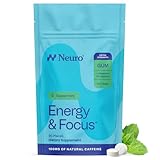
- Fast-Acting Nootropic - Our energy supplements deliver an extra boost of energy and clarity with a blend of natural caffeine, L-theanine, and vitamin b6 & b12. Your go-to chewing gum for work, exercise, and daily focus!
- Clean Energy - Each piece of our sugar free gum delivers 100mg of natural caffeine from green coffee beans for a smooth energy boost without crashes or jitters.
- The Perfect Balance - With 60mg of L-theanine per piece, our energy and focus formula promotes enhanced focus and stress reduction to smooth energy boosts.
- How to Use - Chew one piece of the caffeine gum whenever focus or energy is lacking. Ideal for mornings, pre-workout, or afternoon slumps. Effects typically kick in within minutes thanks to optimal absorption through the mouth.
- Made by Neuro, Backed by Science - At Neuro, we combine neuroscience with clean, science backed ingredients to help you do more, think better, and feel your best every single day.
Fix it step-by-step (managing coffee and ADHD)
1. Assess your current intake: Keep a journal for a few days, noting when you drink coffee, how much, and how you feel afterward. What “good” looks like: a clear understanding of your typical consumption pattern. Common mistake: guessing your intake; be precise.
2. Identify specific symptoms: Pinpoint exactly which ADHD symptoms are worsening (e.g., anxiety, restlessness, racing thoughts). What “good” looks like: a clear list of specific negative effects. Common mistake: vague complaints; be specific for better assessment.
3. Consider timing: Experiment with drinking coffee earlier in the day, or avoiding it past a certain time (e.g., noon). What “good” looks like: improved sleep quality and reduced evening restlessness. Common mistake: drinking coffee too close to bedtime; caffeine has a long half-life.
4. Reduce dosage gradually: If you consume multiple cups, try cutting back to one, or even half a cup. What “good” looks like: fewer negative side effects without significant withdrawal symptoms. Common mistake: stopping cold turkey, which can cause headaches and fatigue.
5. Switch to lower-caffeine options: Try black tea, green tea, or decaffeinated coffee. What “good” looks like: still enjoying a warm beverage ritual without the intense caffeine kick. Common mistake: assuming decaf has no caffeine; it still contains a small amount.
6. Hydrate properly: Drink plenty of water throughout the day, especially when consuming caffeine, as caffeine can be dehydrating. What “good” looks like: feeling well-hydrated and avoiding caffeine-induced headaches. Common mistake: replacing water with coffee.
7. Monitor your diet: Ensure you’re eating balanced meals. Blood sugar fluctuations can mimic or worsen ADHD symptoms, and caffeine on an empty stomach can intensify its effects. What “good” looks like: stable energy levels throughout the day. Common mistake: skipping meals or relying on sugary snacks.
8. Consult your doctor: If you’re on ADHD medication, discuss your caffeine intake with your healthcare provider. What “good” looks like: a clear understanding of how caffeine interacts with your specific medication. Common mistake: self-medicating or adjusting medication without professional advice.
9. Practice mindfulness: Pay attention to how your body reacts to coffee. Tune into subtle changes in your mood, focus, and energy. What “good” looks like: increased self-awareness regarding caffeine’s effects. Common mistake: ignoring subtle negative signals.
10. Explore alternatives: If coffee consistently makes your ADHD worse, consider non-caffeinated alternatives like herbal teas, sparkling water, or simply taking short breaks for movement. What “good” looks like: finding satisfying beverage options that don’t exacerbate symptoms. Common mistake: feeling obligated to drink coffee.
Prevent it next time
- Understand your personal caffeine sensitivity: Some people are more sensitive than others.
- Limit daily caffeine intake: Establish a personal daily maximum and stick to it.
- Avoid coffee close to bedtime: Allow several hours for caffeine to clear your system.
- Stay hydrated with water: This can mitigate some negative effects of caffeine.
- Eat regular, balanced meals: Coffee on an empty stomach can intensify its effects.
- Monitor for anxiety or jitters: These are signs you might be consuming too much.
- Discuss caffeine with your doctor: Especially if you’re on ADHD medication.
- Consider decaffeinated options: If you enjoy the taste and ritual without the high.
Common mistakes (and what happens if you ignore them)
| Mistake | What it causes | Fix |
|---|---|---|
| Drinking too much coffee | Increased anxiety, restlessness, racing thoughts, insomnia, elevated heart rate. | Reduce intake to one cup or less; switch to lower-caffeine options. |
| Consuming coffee too late | Sleep disturbances, difficulty falling asleep, poor sleep quality, next-day fatigue. | Avoid coffee after noon or at least 6-8 hours before bedtime. |
| Drinking coffee on an empty stomach | Increased jitters, stomach upset, heightened anxiety. | Always eat a balanced meal or snack before or with your coffee. |
| Combining coffee with ADHD stimulants | Overstimulation, severe anxiety, rapid heart rate, irritability, crash. | Consult your doctor about caffeine intake if on medication; avoid combining. |
| Ignoring negative physical cues | Chronic anxiety, persistent insomnia, exhaustion, worsening ADHD symptoms. | Pay attention to your body’s signals; reduce or eliminate coffee if symptoms persist. |
| Relying on coffee for energy | A cycle of caffeine dependence, energy crashes, and difficulty regulating mood. | Prioritize good sleep, nutrition, and exercise for sustainable energy. |
| Adding excessive sugar/syrups | Blood sugar spikes and crashes, leading to irritability, brain fog, and energy dips. | Drink coffee black or with minimal, unsweetened additives. |
| Not staying hydrated | Dehydration, headaches, increased jitters, dry mouth. | Drink a glass of water for every cup of coffee consumed. |
| Believing “more coffee = more focus” | Can lead to overstimulation, making focus <em>harder</em> and exacerbating inattention. | Recognize your personal threshold; less can be more for focus. |
Decision rules (simple if/then)
- If you feel jittery or anxious after coffee then reduce your intake by half because you might be overstimulated.
- If you struggle to fall asleep after drinking coffee then stop consuming it at least 6-8 hours before bed because caffeine has a long half-life.
- If you are on ADHD medication and experience heightened side effects with coffee then consult your doctor because there might be an adverse interaction.
- If your focus worsens after coffee then consider if you are consuming too much because overstimulation can impair concentration.
- If you experience headaches or irritability when you skip coffee then you might be experiencing withdrawal because your body has developed a dependency.
- If coffee consistently makes your ADHD worse then explore decaffeinated options or herbal teas because the ritual might be more important than the caffeine.
- If you drink coffee on an empty stomach and feel unwell then eat a meal first because it can help buffer the effects of caffeine.
- If you find yourself needing more and more coffee for the same effect then your tolerance is increasing because your body adapts to regular caffeine intake.
- If your sleep quality is poor despite avoiding evening coffee then assess other factors like screen time or stress because caffeine might not be the sole cause.
- If you notice a pattern of increased restlessness after coffee then try reducing the amount because it might be overstimulating your nervous system.
FAQ
Q: Can caffeine act like ADHD medication?
A: For some individuals, caffeine can mildly improve focus and reduce hyperactivity, similar to low doses of stimulant medication, by affecting dopamine and norepinephrine. However, it is not a substitute for prescribed treatment and lacks the precise and controlled effects of medication.
Q: Why does coffee make my ADHD worse instead of better?
A: If coffee makes your ADHD worse, it’s likely due to overstimulation of your nervous system. This can lead to increased anxiety, restlessness, racing thoughts, and difficulty regulating attention, exacerbating symptoms rather than alleviating them.
Q: Is decaf coffee a good alternative for people with ADHD?
A: Yes, decaf coffee can be a good alternative. It allows you to enjoy the taste and ritual of coffee without the significant caffeine content that might worsen ADHD symptoms. Decaf still contains trace amounts of caffeine, so individual sensitivity should still be considered.
Q: How long does caffeine affect someone with ADHD?
A: The effects of caffeine can last for several hours, typically 4-6 hours, but its half-life means a portion of it remains in your system even longer. For individuals with ADHD, especially those sensitive to stimulants, the effects might feel more pronounced or prolonged.
Q: Should I stop drinking coffee entirely if I have ADHD?
A: Not necessarily. The impact of coffee on ADHD is highly individual. If it consistently makes your symptoms worse, then reducing or eliminating it might be beneficial. If you find it helpful in moderation, continue to monitor its effects and adjust as needed.
Q: Can coffee interact with my ADHD medication?
A: Yes, caffeine can interact with ADHD stimulant medications. Combining them can lead to an additive effect, potentially causing overstimulation, increased heart rate, anxiety, and other adverse side effects. Always discuss caffeine intake with your prescribing doctor.
What this page does NOT cover (and where to go next)
- Specific diagnostic criteria for ADHD or medication management. Consult a healthcare professional.
- Detailed neurobiology of ADHD beyond basic neurotransmitter interactions.
- Comprehensive strategies for managing ADHD that do not involve caffeine.
- The impact of other dietary factors on ADHD symptoms.
- In-depth reviews of specific coffee brands or brewing methods.