
Choosing the Right Coffee Beans for Perfect Espresso
Quick answer
- For espresso, you want beans roasted specifically for it, usually medium to dark.
- Freshness is key; look for a roast date within the last few weeks.
- Whole beans are best for preserving flavor and aroma until you grind them.
- Consider single-origin beans for distinct flavors or blends for balance.
- Experimentation is part of the fun to find your perfect cup.
- Don’t be afraid to ask your local roaster for recommendations.
Buying Priorities for Espresso Beans
- Roast Level: Medium to dark roasts are typical for espresso. They develop the sugars and oils needed for that rich crema and bold flavor. Too light, and it can be sour. Too dark, and it might taste burnt.
- Freshness: This is non-negotiable. Look for a “roasted on” date, not a “best by” date. Ideally, beans should be used within 1-4 weeks of roasting. Anything older loses its punch.
- Bean Type: Arabica beans generally offer more complex flavors, while Robusta adds body and crema. Many espresso blends use a mix to get the best of both.
- Origin/Blend: Single-origin beans showcase a specific region’s unique taste. Blends are crafted for balance and consistency, often the go-to for espresso.
- Processing Method: Washed, natural, or honey processing all affect the final flavor profile. Washed beans tend to be cleaner, naturals fruitier.
- Whole Bean vs. Pre-ground: Always go for whole beans. Grinding right before brewing makes a massive difference in aroma and taste. Pre-ground stuff goes stale way too fast.
- Roaster Reputation: Buying from reputable roasters means you’re likely getting quality beans and good roasting practices.
- Your Taste Preference: Ultimately, what you like is what matters. Do you prefer bright and fruity, or deep and chocolatey?
When selecting espresso beans, consider a medium to dark roast for that rich crema and bold flavor. For a great starting point, check out these highly-rated espresso beans.
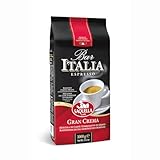
- AUTHENTIC ITALIAN ESPRESSO EXPERIENCE: From Saquella Caffè, family coffee roasters in Italy since 1856 — blending heritage, passion, and quality in every bean.
- FULL-BODIED & CREAMY FLAVOR: A signature Arabica and Robusta blend that delivers a bold espresso with a thick, velvety crema and lingering chocolate notes.
- MEDIUM-DARK ROAST: Carefully roasted for a rich aroma and balanced taste — smooth yet intense, ideal for espresso, cappuccino, or macchiato.
- CONSISTENT QUALITY: Beans are slow-roasted and expertly blended to ensure uniform extraction and a true Italian café-style experience at home.
- MADE IN ITALY: Imported directly from Italy — Saquella Bar Italia Gran Crema is the choice of professional baristas and espresso lovers worldwide.
Espresso Bean Feature Comparison
- Roast Profile: Typically medium to dark, developed for espresso extraction.
- Origin: Can be single-origin (e.g., Ethiopian Yirgacheffe) or a blend (e.g., Italian-style).
- Bean Variety: Often a mix of Arabica and Robusta, or 100% Arabica depending on desired body and crema.
- Processing: Washed, natural, or honey processing all impart different characteristics.
- Freshness Indicator: “Roasted on” date is crucial.
- Grind Size: Must be very fine and consistent for espresso.
- Aroma: Rich, complex, often with notes of chocolate, nuts, or fruit.
- Flavor Intensity: Bold, full-bodied, with a characteristic bittersweet finish.
- Crema Potential: Good espresso beans will produce a thick, stable crema when brewed correctly.
- Storage: Airtight container, away from light and heat.
- Packaging: Often nitrogen-flushed bags to maintain freshness.
- Water Solubility: Developed to extract well under high pressure and temperature.
How to Choose Step-by-Step: What Coffee Do I Use to Make Espresso?
1. Identify Your Espresso Machine’s Needs:
- What to do: Understand what your espresso machine is designed for. Some are more forgiving than others.
- What “good” looks like: You know if your machine handles lighter roasts well or if it’s best with darker ones. Check the manual or manufacturer’s site.
- Common mistake: Assuming all machines work the same. A super-automatic might prefer a slightly different bean than a manual lever machine. Avoid this by reading up on your specific model.
2. Determine Your Flavor Preferences:
- What to do: Think about what you enjoy in coffee generally. Do you like bright and acidic, or deep and chocolatey?
- What “good” looks like: You can articulate whether you lean towards fruity, floral, nutty, or caramel notes.
- Common mistake: Buying a super dark roast because you think espresso has to be dark, then hating the burnt taste. Start with medium-dark if unsure.
3. Prioritize Freshness:
- What to do: Always look for a “roasted on” date on the bag.
- What “good” looks like: The roast date is within the last 1-4 weeks.
- Common mistake: Buying beans without a roast date or one that’s months old. This leads to flat, lifeless espresso. Just walk away.
4. Consider Whole Beans:
- What to do: Opt for whole beans whenever possible.
- What “good” looks like: You have a good grinder and are willing to grind just before brewing.
- Common mistake: Buying pre-ground coffee for espresso. It loses its volatile aromatics almost instantly, resulting in a weak shot. Get a grinder!
5. Explore Roast Levels:
- What to do: Start with medium-dark or dark roasts if you’re new to espresso beans.
- What “good” looks like: You’re getting a balanced shot with good body and crema.
- Common mistake: Going too light and getting a sour, underdeveloped espresso, or too dark and getting a bitter, charred one. It’s a balance.
6. Decide on Origin vs. Blend:
- What to do: If you want to taste specific flavors, try single-origin. For consistency and a classic espresso profile, go for a blend.
- What “good” looks like: You understand the difference and choose based on what you want to experience.
- Common mistake: Sticking only to blends and missing out on unique single-origin notes, or vice versa. Variety is the spice of life, and coffee.
7. Consult Your Roaster:
- What to do: Talk to the people who roast the beans.
- What “good” looks like: Your roaster can recommend beans specifically suited for espresso and your taste.
- Common mistake: Being too shy to ask for help. They want to talk about coffee. That’s their jam.
8. Experiment and Take Notes:
- What to do: Buy small bags of different beans and keep track of what you like.
- What “good” looks like: You have a mental (or actual) list of beans and roasters that consistently make great espresso for you.
- Common mistake: Giving up after one bad bag. It takes trial and error to dial in your perfect espresso bean.
Common Mistakes (and what happens if you ignore them)
| Mistake | What it causes | Fix |
|---|---|---|
| Using stale beans | Flat flavor, lack of crema, weak aroma. Espresso might taste dull or sour. | Buy beans with a roast date, use within 1-4 weeks. |
| Buying pre-ground coffee | Rapid loss of volatile aromatics, leading to a weak, lifeless shot. | Invest in a good burr grinder and grind just before brewing. |
| Roasting too light for espresso | Sour, acidic, underdeveloped espresso. Lacks body and sweetness. | Start with medium-dark to dark roasts for espresso, or ask your roaster for advice. |
| Roasting too dark for espresso | Bitter, burnt, ashy flavor. Loses nuanced notes and crema can be unstable. | Avoid beans that look oily and black; look for developed, not charred, beans. |
| Not storing beans properly | Beans absorb moisture and odors, losing freshness and developing off-flavors. | Store whole beans in an airtight, opaque container at room temperature. |
| Ignoring the “roasted on” date | You’re essentially brewing old coffee, no matter how good the bean was. | Always check for a roast date; if it’s not there, don’t buy it for espresso. |
| Using beans not suited for espresso | Inconsistent extraction, poor crema, off-flavors. Might be too oily or too dry. | Look for beans labeled “espresso blend” or ask your roaster for espresso recommendations. |
| Not experimenting enough | You might miss out on discovering your absolute favorite espresso bean. | Buy small bags from different roasters and origins; keep notes on what you like. |
| Over-extracting or under-extracting | While not the bean itself, the bean choice can make this harder or easier. | Learn your grinder and machine to dial in the right grind size and brew time. |
| Using beans that are too oily or too dry | Oily beans can clog grinders/machines; too dry can lead to channeling. | Observe the beans; a little surface sheen is okay, but not dripping oil. |
Decision Rules (Simple If/Then)
- If you prefer a bright, fruity espresso, then try a single-origin washed Arabica from Ethiopia or Kenya, roasted medium.
- If you want a classic, bold espresso with chocolate and nutty notes, then choose an Italian-style blend, typically medium-dark to dark roasted.
- If your espresso machine is an entry-level or super-automatic model, then opt for beans that are forgiving, like medium-dark roasts, to avoid channeling issues.
- If you’re a beginner and unsure, then start with a medium-dark roast blend from a reputable local roaster because they are usually well-balanced and easier to work with.
- If you notice your espresso shots are consistently sour, then your beans might be roasted too light, or you need a finer grind.
- If your espresso shots are consistently bitter, then your beans might be roasted too dark, or you’re grinding too fine and over-extracting.
- If you want to maximize crema, then look for blends that include a small percentage of Robusta beans, as they are known to produce more stable crema.
- If you have a high-end manual machine and enjoy complexity, then explore single-origin beans with unique processing methods (like natural or honey) at a medium roast.
- If you’re buying beans online, then prioritize roasters who clearly state the roast date and offer beans specifically for espresso.
- If you find your grinder struggles with very dark, oily beans, then opt for medium or medium-dark roasts to protect your equipment.
- If you’re brewing espresso at home, then always buy whole beans because pre-ground coffee is a flavor killer.
- If you’re unsure about a bean’s suitability, then ask your local coffee shop or roaster for their recommendation for espresso.
FAQ
Q: What’s the best roast level for espresso?
A: Generally, medium to dark roasts are preferred for espresso. They develop sugars and oils that contribute to the characteristic bold flavor and rich crema. Lighter roasts can be too acidic, while very dark roasts can taste burnt.
Q: Should I buy whole beans or pre-ground?
A: Always go for whole beans. Coffee starts losing its aroma and flavor compounds rapidly after grinding. Grinding right before you brew makes a huge difference in the final shot.
Q: How fresh do my espresso beans need to be?
A: Freshness is critical. Look for beans roasted within the last 1-4 weeks. Older beans will produce less crema and have a flatter taste.
Q: What’s the deal with Robusta beans in espresso?
A: Robusta beans have more caffeine and produce a thicker, more stable crema than Arabica. Many espresso blends include a small percentage of Robusta for body and crema, balancing the often brighter flavors of Arabica.
Q: Can I use any coffee bean for espresso?
A: While you can technically brew any coffee as espresso, using beans specifically roasted for espresso will yield much better results. They are developed to extract well under the high pressure and temperature of an espresso machine.
Q: How should I store my espresso beans?
A: Store whole beans in an airtight, opaque container at room temperature, away from direct sunlight and moisture. Avoid the refrigerator or freezer for daily use beans, as condensation can degrade quality.
Q: What does “single-origin” mean for espresso?
A: Single-origin means the beans come from a specific farm, region, or country. This allows you to taste the unique flavor characteristics of that particular growing area, offering a more distinct flavor profile.
Q: How do I know if a bean is good for my espresso machine?
A: Check your machine’s manual or the roaster’s recommendations. Generally, medium to dark roasts are a safe bet for most home machines. If your machine is very forgiving, you might experiment with lighter roasts.
What this page does NOT cover (and where to go next)
- Specific brand recommendations for coffee beans. (Next: Explore local roasters or reputable online coffee retailers.)
- Detailed analysis of specific coffee-growing regions and their flavor profiles. (Next: Research coffee origins and their typical tasting notes.)
- The science behind espresso extraction and dialing in grind size. (Next: Learn about espresso machine operation and grinder settings.)
- Water quality and its impact on espresso flavor. (Next: Investigate water filtration and its role in brewing.)
- Milk steaming techniques and latte art. (Next: Practice milk frothing and explore latte art tutorials.)
- Recipes for espresso-based drinks. (Next: Find and experiment with classic and modern espresso drink recipes.)