
Authentic Saudi Arabic Coffee Recipe
Quick answer
- Use light-roasted, coarsely ground coffee, often with cardamom.
- Brew in a traditional dallah (coffee pot) over low heat.
- Do not boil vigorously; simmer gently to extract flavor.
- Cardamom is crucial; add it towards the end or infuse the water.
- Serve hot, in small handleless cups (finjan), without sugar or milk.
- Expect a light, golden color and aromatic, spicy flavor.
- The grounds are typically left in the dallah; pour carefully.
Who this is for
- Anyone interested in exploring traditional coffee brewing methods beyond standard drip or espresso.
- Home coffee enthusiasts seeking to replicate authentic Saudi Arabian coffee at home.
- Individuals looking for a unique, aromatic, and unsweetened coffee experience.
What to check first
Brewer type and filter type
Traditional Saudi Arabic coffee is brewed in a dallah, a distinctive metal pot with a long spout and a handle. Some dallahs have an internal filter or spout design to help retain grounds, while others rely on careful pouring. You won’t be using paper filters or typical drip coffee makers for this style. If you don’t have a dallah, a small saucepan can work, but you’ll need a fine-mesh sieve for pouring.
To truly capture the authentic experience, consider investing in a traditional dallah coffee pot. This distinctive metal pot is essential for brewing Saudi Arabic coffee.
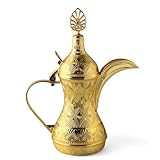
- Authentic Middle Eastern Design – Inspired by traditional Ottoman and Arabian dallah pitchers.
- Premium Zamac Construction – Made entirely of durable zamac, ensuring long-lasting elegance.
- Intricately Engraved Details – Features stunning engravings and fine craftsmanship.
- Decorative Use Only – Designed for display purposes, not intended for liquid storage.
- Removable Lid for Realistic Design – Comes with a functional decorative lid.
Water quality and temperature
Use fresh, filtered water. Tap water quality can significantly impact the taste of your coffee. For Arabic coffee, the water temperature is critical. You’ll be bringing it to a simmer, not a rolling boil, to gently extract flavors without over-extracting bitterness.
Grind size and coffee freshness
For authentic Saudi Arabic coffee, a light-roasted coffee is typically used. The grind should be coarse, similar to French press coffee, or even slightly coarser. This helps prevent over-extraction during the longer brewing time. Always use freshly ground coffee for the best aroma and flavor. Pre-ground coffee loses its volatile compounds quickly.
For the most authentic flavor, use light-roasted arabic coffee beans. Grinding them coarsely right before brewing will ensure the best aroma and taste.

- CAFÉ QUALITY COFFEE BREWED BY YOU: Sumatra coffee is enjoyed by those who prefer a more bold and intense coffee experience. The rich aroma and earthy flavors offer a robust coffee taste and deliver flavor notes that include dark cherry, dark cacao and offers a smoky finish.
- PREMIUM COFFEE BLEND: Sumatra coffees are grown on the beautiful Island of Sumatra in Indonesia. This highly volcanic region is home to some of the richest soil and cultivates some of the best tasting coffee in the world. Hand picked and dark roasted this coffee is set apart from other types of coffee with it's smooth mouthfeel and fully body.
- COPPER MOON COFFEE WHOLE BEAN: Copper Moon Coffee is not only delicious, but it's also gluten-free, mold-free, allergen-free, kosher certified, and non-GMO. Enjoy a worry-free cup of coffee that delights the senses! Our whole bean coffee retains flavor longer, and when ground right before brewing, you will experience maximum flavor and freshness.
- SUSTAINABLE COFFEE SOURCING: Copper Moon Coffee has created our own globally sustainable coffee bean sourcing program focusing outwardly to achieve a positive social, economic, and environmental impact. We support farms that minimize harm to the environment, support fair treatment of workings and insures the long-term health and viability of coffee growing communities. We search for the best high elevation, low elevation, organic, single origin coffee beans from small family owned farms in attempt to enhance the wellbeing of the family and farm. Our goal is to bring you the freshest coffee for you to proudly brew serve and enjoy.
- HAND CRAFTED ON EARTH: Copper Moon Coffee's handcrafted process begins with hand-picked premium specialty grade coffee beans sourced from 5 continents and 17 different countries, then they go through a delicate small batch roasting process to ensure we bring out the best aroma and flavors in each and every coffee we offer. Whether you enjoy light roast, medium roast or dark roast, each sip of a cup of Copper Moon Coffee embodies a singular & delightful event.
Coffee-to-water ratio
The ratio for Arabic coffee is often lighter than espresso or drip coffee. A common starting point is about 1 tablespoon of coarsely ground coffee per 6-8 ounces of water. This can vary based on personal preference and the strength of the roast. Remember, it’s meant to be light and aromatic, not strong and dark.
Cleanliness/descale status
Ensure your dallah or saucepan is thoroughly clean. Any residual oils or flavors from previous brews can negatively impact the delicate taste of Arabic coffee. Since you’re not using a conventional machine, descaling isn’t an issue, but a good wash with hot water and a mild, unscented soap (rinsed thoroughly) is essential.
Serve your freshly brewed coffee in traditional finjan cups. These small, handleless cups are perfect for savoring the aromatic, unsweetened brew.
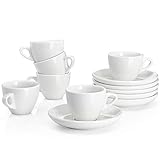
- Perfect for Daily Coffee Rituals: Sweese espresso cups are designed to enhance your everyday coffee moments—whether you enjoy espresso, cappuccino, macchiato, or tea. Ideal for home brewers and coffee lovers seeking a reliable cup-and-saucer set.
- Thoughtfully Sized for Espresso Drinks: Each cup provides a comfortable capacity suitable for a variety of espresso-based beverages. The cup-and-saucer design fits most espresso machines, ensuring stable placement and a cleaner brewing experience.
- Elegant Porcelain for Any Setting: Crafted with a smooth ceramic finish, this espresso cup set blends effortlessly into modern, classic, or minimalist décor. Perfect for home kitchens, coffee bars, office settings, or gifting.
- Durable, Lead-Free Porcelain: Made from high-quality, lead-free porcelain, these cups are sturdy and built for daily use. Safe for the microwave, dishwasher, oven, and freezer, they offer easy cleaning and long-lasting performance.
- Complete Set of 6 Cups with Saucers: Each set includes 6 matching cups and saucers, making it ideal for serving guests, hosting gatherings, or enjoying café-style coffee at home. A versatile set that suits both casual daily use and special occasions.
Step-by-step how to make arabic coffee saudi
1. Measure water: Add the desired amount of fresh, filtered water to your dallah or saucepan.
- Good looks like: Using cold, clean water as a base for pure flavor.
- Common mistake: Using warm or stale water, which can introduce off-flavors. Avoid this by always starting with fresh, cold water.
2. Add coffee: Once the water is in, add your coarsely ground, light-roasted coffee directly to the cold water.
- Good looks like: A ratio of about 1 tablespoon of coffee per 6-8 ounces of water.
- Common mistake: Adding coffee to hot water, which can shock the grounds and lead to uneven extraction. Add to cold water for a gentle start.
3. Heat gently: Place the dallah over low to medium-low heat.
- Good looks like: The coffee mixture slowly coming to a gentle simmer, not a rapid boil. You’ll see small bubbles forming.
- Common mistake: Boiling too vigorously, which can scorch the coffee and extract bitter compounds. Keep the heat low and be patient.
4. Simmer for extraction: Let the coffee simmer gently for 10-15 minutes. Do not stir frequently.
- Good looks like: The coffee developing a light, golden color and a fragrant aroma filling the kitchen.
- Common mistake: Stirring constantly, which can agitate the grounds and lead to a muddy brew. Stir once or twice if needed, but mostly let it be.
5. Prepare cardamom: While the coffee simmers, lightly crush a few green cardamom pods or measure out ground cardamom.
- Good looks like: Freshly crushed cardamom releasing its potent aroma.
- Common mistake: Using old, pre-ground cardamom that has lost its fragrance. Use fresh pods or freshly ground for best results.
6. Add cardamom: After 10-15 minutes of simmering, remove the dallah from the heat and add the cardamom. Some prefer to add it to a separate, smaller dallah (tharmous) where the coffee will be served.
- Good looks like: The cardamom infusing its spicy, floral notes into the hot coffee.
- Common mistake: Adding cardamom too early and boiling it, which can diminish its delicate flavor. Add it near the end or after brewing.
7. Rest and settle: Let the coffee sit off the heat for a few minutes (3-5 minutes) to allow the grounds to settle at the bottom.
- Good looks like: A clear separation between the liquid coffee and the settled grounds.
- Common mistake: Pouring immediately, which will result in a cup full of coffee grounds. Patience is key for clarity.
8. Serve: Carefully pour the coffee into small, handleless finjan cups, leaving the grounds in the dallah.
- Good looks like: A clear, golden, aromatic brew filling the cup, free of sediment.
- Common mistake: Pouring too quickly or tilting the dallah too much, disturbing the settled grounds and pouring them into the cup. Pour slowly and steadily.
Common mistakes (and what happens if you ignore them)
| Mistake | What it causes | Fix |
|---|---|---|
| Using dark roast coffee | Overly bitter, strong, and not authentic in flavor or color. | Use a very light roast, often described as “blonde” or “Arabian roast.” |
| Grinding coffee too fine | Muddy texture, over-extraction, bitterness, and sediment in the cup. | Use a coarse grind, similar to or slightly coarser than French press. |
| Boiling coffee vigorously | Scorched flavors, increased bitterness, and loss of delicate aromas. | Simmer gently over low heat; avoid a rolling boil. |
| Adding cardamom too early | Cardamom flavor can become muted or bitter if boiled for too long. | Add cardamom towards the end of the simmer or after removing from heat. |
| Not letting grounds settle | Sediment and a gritty texture in your finjan. | Allow coffee to rest off heat for 3-5 minutes before pouring. |
| Using stale or pre-ground coffee | Lack of aroma, flat flavor, and a less vibrant taste. | Always use freshly ground, high-quality light roast coffee. |
| Incorrect coffee-to-water ratio | Too weak or too strong; not achieving the desired light, aromatic profile. | Start with 1 tbsp coffee per 6-8 oz water and adjust to taste. |
| Using unfiltered tap water | Unpleasant off-flavors from chlorine or minerals in the water. | Always use fresh, filtered water for the purest taste. |
| Serving with sugar or milk | Masks the delicate, spiced flavor profile; not traditional. | Serve black, without any additions, to appreciate the authentic taste. |
Decision rules for your Saudi coffee
- If your coffee tastes too bitter, then use a coarser grind or reduce simmering time because bitterness often comes from over-extraction.
- If your coffee is too weak, then increase the coffee-to-water ratio slightly or simmer a bit longer because it might be under-extracted.
- If the cardamom flavor is too subtle, then add more freshly crushed cardamom or let it steep longer after brewing because its oils need time to infuse.
- If you find too many grounds in your cup, then let the coffee settle longer before pouring or pour more slowly because the grounds need time to sink.
- If the coffee color is too dark, then you might be using too dark a roast or over-extracting because authentic Arabic coffee is light golden.
- If the coffee lacks aroma, then check the freshness of your coffee beans and cardamom because stale ingredients lose their volatile compounds.
- If you’re using a dallah with an internal filter and still get grounds, then check if the filter is clogged or if you’re pouring too aggressively because a clean filter and gentle pour are key.
- If the flavor is bland despite fresh ingredients, then ensure your water quality is good because bad water can ruin even the best coffee.
- If you prefer a slightly stronger cardamom note, then consider adding a pinch of ground cardamom directly into the serving dallah because it will infuse directly into the hot coffee.
- If the coffee tastes burnt, then reduce the heat significantly because it’s likely scorching on the bottom of the pot.
FAQ
What kind of coffee beans are used for Saudi Arabic coffee?
Traditionally, very light-roasted Arabica beans are used. These beans are often roasted to a “blonde” or “yellow” stage, which preserves their subtle, aromatic notes without developing the deep, rich flavors associated with darker roasts.
Can I make Arabic coffee without a dallah?
Yes, you can. While a dallah is traditional, a small saucepan can be used for brewing. For serving, you can use any small, handleless cups. Just be sure to pour carefully or use a fine-mesh sieve to separate the grounds when serving.
Why is Arabic coffee served without sugar or milk?
Arabic coffee is meant to be savored for its unique, aromatic, and often spiced flavor profile. Adding sugar or milk would mask these delicate nuances. It’s often accompanied by dates or other sweets, which provide a contrast to the coffee’s bitterness.
How much cardamom should I add?
The amount of cardamom is a matter of personal preference. A good starting point is about 1/2 to 1 teaspoon of ground cardamom or 3-5 lightly crushed pods for every 4 cups of water. Adjust up or down based on how strong you like the spice.
Is Arabic coffee caffeinated?
Yes, it is caffeinated. However, because it’s typically a light roast and brewed at a lighter coffee-to-water ratio than, say, espresso, a single serving finjan might contain less caffeine than a standard cup of drip coffee.
How long does Arabic coffee stay fresh after brewing?
Arabic coffee is best enjoyed immediately after brewing. Its delicate aromas and flavors are most vibrant when hot and freshly prepared. While it can be reheated, the quality will diminish, and it may develop a more bitter taste.
What’s the difference between Saudi and other Arabic coffees?
While many Arabic countries have their own coffee traditions, Saudi Arabic coffee often emphasizes a very light roast, a distinct golden color, and a prominent cardamom flavor. Other regions might use slightly darker roasts or different spice blends.
What this page does NOT cover (and where to go next)
- Detailed history and cultural significance of Saudi Arabic coffee.
- Roasting your own coffee beans for Arabic coffee.
- Specific brands of coffee beans or dallahs.
- Advanced techniques for preparing coffee with other spices like saffron or cloves.
- Pairings with specific Saudi desserts or foods.
- Regional variations of Arabic coffee within Saudi Arabia.