
Defining the Characteristics of Breakfast Blend Coffee
Quick answer
- Breakfast blend coffee is typically a medium roast.
- It’s designed to be smooth and approachable.
- Often uses a blend of beans for balanced flavor.
- Aims for a bright, clean finish, not too bitter.
- Generally less intense than dark roasts.
- It’s a crowd-pleaser, good for any time of day.
Key terms and definitions
- Roast Level: How long and at what temperature coffee beans are roasted. Affects flavor, aroma, and color.
- Medium Roast: A common roast level, balancing origin flavors with roast notes. Think caramel and nutty hints.
- Light Roast: Roasted for a shorter time, preserving more of the bean’s original characteristics. Often brighter, more acidic.
- Dark Roast: Roasted longer, developing bolder, smokier, sometimes bitter flavors. Origin flavors are often masked.
- Blend: A mix of coffee beans from different regions or varieties. Created to achieve a specific flavor profile.
- Acidity: A desirable bright, tangy, or fruity note in coffee, not to be confused with bitterness.
- Body: The mouthfeel or weight of the coffee. Can range from light and tea-like to heavy and syrupy.
- Bitterness: A flavor often associated with over-extraction or dark roasts. Can be pleasant in moderation, but usually not the goal for breakfast blends.
- Origin: The geographical location where the coffee bean was grown. Each origin has unique flavor characteristics.
- Single Origin: Coffee from a single farm, region, or country, showcasing its specific terroir.
How it works
- Coffee beans are selected from various growing regions.
- These beans are then roasted, usually to a medium level.
- The roasting process develops sugars and oils, creating aroma and flavor.
- Roasters aim for a specific flavor profile by controlling roast time and temperature.
- Beans are often blended after roasting to achieve balance.
- The goal is a smooth, consistent taste profile.
- This profile is generally palatable to a wide range of coffee drinkers.
- It’s about creating an enjoyable, everyday cup.
- The “breakfast” part implies it’s good for waking up.
- Not too challenging, not too weak. Just right.
For a consistently smooth and approachable cup, consider a well-crafted smooth coffee blend. These are designed to be palatable for a wide range of coffee drinkers.
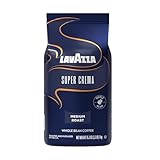
- SUPER CREMA: A 2.2 lb whole bean coffee bag ideal for espresso preparation
- INTENSITY AND ROAST: This full-bodied medium roast offers a bold and creamy finish
- BLEND: Made from Arabica and Robusta beans, this naturally caffeinated blend is sourced from 15 coffee-growing countries around the world
- PREPARATION: Ideal for espresso preparation.
- BREWING GUIDE FOR SINGLE ESPRESSO: 0.28 oz of ground espresso delivers a 1 oz espresso shot
What affects the result
- Bean Selection: The specific coffee beans chosen for the blend are crucial. Different origins offer different flavor notes.
- Roast Profile: The temperature and duration of the roasting process dictate the final flavor. Medium roasts are typical.
- Roast Consistency: Even roasting across all beans ensures a balanced flavor. No burnt or underdeveloped beans.
- Grind Size: How finely the beans are ground impacts extraction. Too fine can lead to over-extraction and bitterness. Too coarse can lead to weak coffee.
- Water Quality: Filtered water is best. Tap water can introduce off-flavors.
- Water Temperature: The ideal brewing temperature is usually between 195-205°F. Too hot can scorch the grounds.
- Coffee-to-Water Ratio: The amount of coffee grounds versus water. Affects the strength and flavor balance.
- Brewing Method: Different brewers (drip, pour-over, French press) extract flavors differently.
- Freshness of Beans: Recently roasted beans offer the best flavor. Stale beans lose their vibrancy.
- Freshness of Grind: Ground coffee stales much faster than whole beans. Grind just before brewing.
- Brew Time: The duration water is in contact with the coffee grounds.
- Cleanliness of Equipment: Residue from old coffee oils can make your brew taste bitter or stale.
Pros, cons, and when it matters
- Pro: Approachable flavor profile. Great for beginners or those who don’t like complex coffee.
- Con: Can sometimes be seen as generic or lacking distinct character.
- Pro: Smooth and balanced. Less likely to be overly bitter or acidic.
- Con: Might not satisfy serious coffee aficionados seeking unique single-origin notes.
- Pro: Consistent taste. You know what you’re getting cup after cup.
- Con: Blending can mask the subtle nuances of individual beans.
- Pro: Versatile. Pairs well with milk, cream, or sugar, but also good black.
- Con: Often mass-produced, so quality can vary between brands.
- Pro: Good for waking up. Provides a pleasant caffeine boost without harshness.
- Con: Might not have the complex aromas or tasting notes of more specialized roasts.
- Pro: Widely available. Easy to find in most grocery stores.
- Con: Can be more expensive than basic commodity coffee, but cheaper than specialty single-origins.
- When it matters: If you want a reliable, easy-drinking coffee for your morning routine.
- When it matters: If you’re serving coffee to a group with diverse tastes.
- When it matters: If you prefer a coffee that doesn’t demand your full attention.
Common misconceptions
- Myth: Breakfast blend coffee is always light roast. Not true; it’s usually medium, sometimes a bit lighter medium.
- Myth: It’s a specific type of bean. Nope, it’s a blend, meaning a mix of beans.
- Myth: It’s only for breakfast. It’s a marketing term; it’s good anytime.
- Myth: It’s weak coffee. It’s balanced, not necessarily weak. Strength comes from ratio and brew.
- Myth: It’s always bitter. The goal is to avoid bitterness; smoothness is key.
- Myth: It’s low quality. Not necessarily. Quality depends on the beans and roasting.
- Myth: You can only brew it a certain way. You can brew it however you like; your method matters.
- Myth: It has caffeine limitations. Caffeine content varies by bean, roast, and brew, not just the blend name.
- Myth: It’s the same from every brand. Each company has its own recipe.
- Myth: It’s just cheap coffee rebranded. Some are, but many are carefully crafted blends.
FAQ
What exactly is a breakfast blend coffee?
It’s a type of coffee blend, usually medium roasted, designed for a smooth, balanced, and approachable flavor. It’s meant to be easy-drinking and palatable for most people, especially in the morning.
Is breakfast blend coffee always mild?
“Mild” can mean different things. It’s generally not intense, bitter, or overly acidic. It aims for a pleasant, clean finish rather than a bold, challenging one.
What kind of beans are usually in a breakfast blend?
It’s a mix. Often, you’ll find beans from Central and South America, sometimes blended with African beans for a bit of brightness. The exact mix is up to the roaster.
Does “breakfast blend” mean it has more caffeine?
Not directly. Caffeine content depends more on the bean type, roast level (lighter roasts can retain slightly more caffeine), and how you brew it. The blend name itself doesn’t guarantee more caffeine.
Can I use breakfast blend coffee for espresso?
You can try, but it’s not typically optimized for espresso. Espresso blends are often darker or have specific beans chosen for that brewing method. It might work, but don’t expect perfect crema or flavor.
How should I store breakfast blend coffee?
Keep whole beans in an airtight container away from light, heat, and moisture. Grind only what you need right before brewing for the best flavor.
Is breakfast blend coffee good with milk and sugar?
Absolutely. Its balanced profile makes it a great base for adding milk, cream, or sugar without overwhelming the coffee. It’s a very forgiving blend.
How do I make a good cup of breakfast blend coffee at home?
Use good quality, freshly roasted beans. Grind them just before brewing to a medium consistency. Use filtered water heated to around 200°F, and follow your brewer’s recommended coffee-to-water ratio.
What this page does NOT cover (and where to go next)
- Specific brand comparisons or recommendations. Look for reviews of individual coffee brands.
- Detailed tasting notes for every possible breakfast blend. Explore coffee blogs for specific product reviews.
- The science behind bean varietals and their genetic makeup. Dive into resources on coffee cultivation.
- Advanced brewing techniques like siphon or Turkish coffee. Seek out guides dedicated to those methods.
- The history of coffee blending. Research coffee history books or academic papers.