
Choosing the Best Coffee Maker: Key Features to Consider
Quick Answer
- Think about your daily coffee habits.
- How much coffee do you drink?
- What kind of coffee do you like?
- Consider your counter space.
- Budget is always a factor.
- Simplicity vs. customization.
Buying Priorities: What to Look For When Buying a Coffee Maker
When you’re eyeing up a new coffee maker, keep these things in mind. It’s not just about looks, though a slick machine is nice. It’s about getting that perfect cup, day in and day out.
- Brew Method: This is huge. Drip, pour-over, espresso, French press – they all make coffee differently. Your preference matters.
- Capacity: How many cups do you need? A single-serve for the solo sipper or a big carafe for the whole crew?
- Temperature Control: Hotter is usually better for extraction. Look for machines that hit that sweet spot, around 195-205°F.
- Grind Consistency (if applicable): If your machine has a built-in grinder, how fine and consistent is it? This impacts flavor.
- Filter Type: Paper filters catch more oils, giving a cleaner cup. Metal filters let oils through for a richer taste. Some machines use pods.
- Ease of Cleaning: Nobody wants a science experiment in their coffee maker. How easy is it to rinse and descale?
- Footprint: Measure your counter space. Some machines are beasts; others are compact.
- Durability and Build Quality: Does it feel solid? Will it last? Look for decent materials.
- Brew Speed: Are you in a rush? Some machines are lightning fast, others take their sweet time.
- Water Reservoir: Is it easy to fill? Is it removable? A good reservoir makes life easier.
Coffee Maker Feature Comparison
Let’s break down some common features you’ll find. It helps to know what you’re getting into.
- Brew Method: Drip (most common), Pour-over (manual control), Espresso (concentrated), French Press (full immersion), Cold Brew (low acidity).
- Capacity: Single-serve (4-12 oz), Small Pot (4-8 cups), Large Pot (10-14 cups).
- Temperature Control: Some machines have adjustable temps, others stick to a preset. Check the specs if this is key.
- Filter Type: Paper (removable), Permanent Metal (reusable), Pods/Capsules (convenient, specific).
- Cleaning: Removable parts, descaling cycles, manual rinsing. Some are a breeze, others a chore.
- Footprint: Compact (under 10 inches wide), Medium (10-15 inches), Large (15+ inches). Measure twice!
- Material: Plastic (common, lighter), Stainless Steel (durable, premium feel), Glass (carafe).
- Programmability: Auto-start timers, brew strength settings. Nice for waking up to coffee.
- Built-in Grinder: Convenience factor, but can add cost and complexity.
- Water Filter: Some machines include a charcoal filter to improve water quality.
- Carafe Type: Thermal (keeps coffee hot longer), Glass (needs a warming plate).
- Smart Features: Wi-Fi connectivity, app control. For the tech-savvy.
How to Choose Your Coffee Maker Step-by-Step
Picking the right machine doesn’t have to be a headache. Just follow these steps.
1. Assess Your Coffee Consumption:
- What to do: Think about how much coffee you drink daily and how many people in your household drink it.
- What “good” looks like: You know if you’re a solo drinker needing one cup or a family needing a whole pot.
- Common mistake: Buying a huge pot when you only drink one cup. You end up wasting coffee or cleaning a big machine for nothing.
2. Identify Your Preferred Brew Style:
- What to do: Decide if you like classic drip, bold espresso, smooth French press, or something else.
- What “good” looks like: You have a clear idea of the taste and body you prefer in your coffee.
- Common mistake: Getting a fancy espresso machine when you really just want a simple cup of drip coffee.
If you’re looking for a reliable and easy-to-use option, a good drip coffee maker like this one is an excellent choice for daily brewing.
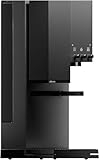
- 1. Three Levels of Automation for Any Skill Level: Choose from Autopilot, Copilot, or Free Solo mode. Autopilot handles the entire brewing process automatically. Copilot provides step-by-step guidance. Free Solo gives you full manual control. This coffee machine works for beginners and professional baristas alike.
- 2. Intuitive User Interface with Tactile Knobs and LED Matrix: The Studio features physical control knobs and a clear LED Matrix display. You can adjust grind size, water temperature, and flow rate in real time without navigating complicated touchscreen menus.
- 3. Full Customization via the xBloom App: Use the xBloom app to create, adjust, save, and share your favorite coffee recipes. Every brewing parameter can be fine-tuned and synced to the machine instantly. Your perfect cup is saved and repeatable.
- 4. Compostable xPod System for Minimal Waste and Maximum Flavor: Each xPod contains carefully selected whole beans and a built-in filter. Tap the recipe card, pour the beans into the grinder, place the pod into the dock, and press start. No capsules, no extra paper filters, no unnecessary waste.
- 5. What Is Included in the Box: The package includes the xBloom Studio, Omni Dripper 2 with Hyperflow Bottom, 10 paper filters, xPod Dock, Magnetic Dosing Cup, default recipe card, quick start guide, cleaning brush, universal power cord, and a 2-Year xbloom brand warranty. Everything you need is included—along with long-term peace of mind.
3. Determine Your Budget:
- What to do: Set a realistic price range for your coffee maker.
- What “good” looks like: You’ve got a number in mind that fits your finances.
- Common mistake: Overspending on features you’ll never use, or buying too cheap and getting a machine that breaks quickly.
4. Consider Your Counter Space:
- What to do: Measure the available space where you plan to put the coffee maker.
- What “good” looks like: You have a clear dimension (width, depth, height) for your machine.
- Common mistake: Buying a large machine that barely fits or obstructs other kitchen items.
5. Evaluate the Filter Preference:
- What to do: Decide if you prefer the clean taste of paper filters or the richer flavor of metal filters, or if you’re going for pod convenience.
- What “good” looks like: You know which type of filter aligns with your taste and maintenance preferences.
- Common mistake: Not realizing a machine only takes a specific filter type and then struggling to find replacements or dealing with a taste you don’t like.
6. Check for Temperature Control:
- What to do: Look for machines that brew at the optimal temperature range (195-205°F) if you’re serious about flavor.
- What “good” looks like: The machine’s specs mention temperature control or it’s known for brewing hot enough.
- Common mistake: Assuming all coffee makers brew at the ideal temperature. Many brew too cool, resulting in weak, sour coffee.
7. Look at Ease of Cleaning:
- What to do: Read reviews or check product descriptions for how easy the machine is to clean and maintain.
- What “good” looks like: Removable parts, simple rinsing, and straightforward descaling instructions.
- Common mistake: Ignoring cleaning features and ending up with a machine that’s a pain to keep sanitary, affecting taste.
8. Prioritize Durability:
- What to do: Consider the materials used and read reviews about the machine’s longevity.
- What “good” looks like: A sturdy build, good quality plastic or stainless steel, and positive long-term reviews.
- Common mistake: Buying a flimsy machine that feels cheap and is prone to breaking after a year or two.
Common Mistakes (and What Happens If You Ignore Them)
We all make ’em. But knowing what can go wrong helps avoid them.
| Mistake | What it Causes | Fix |
|---|---|---|
| Buying too large a capacity | Wasted coffee, unnecessary cleaning, wasted counter space. | Start with a smaller capacity if you’re unsure. |
| Not considering brew method | Disappointment with coffee taste and body. | Research different brew methods and watch videos. |
| Ignoring temperature control | Under-extracted, sour, or bitter coffee. | Look for machines known to brew at 195-205°F or with temp settings. |
| Forgetting about cleaning | Stale coffee, mold, machine malfunction, bad taste. | Choose a machine with easy-to-clean parts and a descaling function. |
| Not measuring counter space | Machine won’t fit, looks awkward, blocks access. | Measure your space before you buy. Always. |
| Using tap water with impurities | Off-flavors, mineral buildup, shortened machine life. | Use filtered or bottled water. |
| Not grinding beans fresh | Stale, less flavorful coffee. | Invest in a good grinder and grind beans right before brewing. |
| Overfilling the brew basket | Water overflows, weak coffee, messy counter. | Stick to the recommended coffee-to-water ratio. |
| Using old or stale coffee beans | Flat, uninspired flavor. | Buy fresh beans and store them properly. |
| Not letting the machine fully heat up | Weak, under-extracted coffee. | Wait for the machine to reach its optimal brewing temperature. |
Decision Rules (Simple If/Then)
Let’s make this easy. If this, then that.
- If you drink only one cup a day, then get a single-serve machine because it’s efficient and less waste.
- If you have a family of coffee drinkers, then opt for a 10-14 cup carafe machine because it brews enough for everyone.
- If you’re a flavor purist, then consider a pour-over setup or a French press because they offer more control over the brew.
- If you hate waiting for your morning coffee, then look for a programmable drip machine or one with a fast brew cycle because speed is key.
- If counter space is tight, then choose a compact drip machine or a smaller pour-over kit because size matters.
- If you want the cleanest cup possible, then use paper filters because they trap more oils.
- If you prefer a richer, bolder cup, then use a metal filter or a French press because they allow more oils through.
- If you’re prone to forgetting to clean, then select a machine with an automatic cleaning cycle because it simplifies maintenance.
- If you want the convenience of pods, then buy a pod-based machine but be aware of ongoing pod costs and environmental impact.
- If you’re on a tight budget, then a basic drip coffee maker is your best bet because they are generally the most affordable.
- If you want to experiment with different brew strengths and temperatures, then look for a machine with advanced settings because customization is important to you.
For those who appreciate a more hands-on approach and nuanced flavors, a quality pour-over coffee maker can elevate your brewing experience.

- Pour Over Coffee: Manual Pour Over Coffee Maker allows you to brew an excellent cup of Coffee in minutes
- Stainless steel: Includes a new and improved permanent, stainless steel mesh filter that helps extract your coffee's aromatic oils and subtle flavors instead of being absorbed by a paper filter
- Coffee Carafe: Made of durable, heat-resistant borosilicate glass with Cork Band detailing that is both functional and elegant; single wall
- Quick and Easy: Simply add coarse ground Coffee to filter, pour a small amount of water in a circular motion over ground Coffee until soaked then add the remaining water and let drip
- Servings: Pour Over Coffee Maker makes 8 cups of Coffee, 4 oz each; dishwasher safe
FAQ
Got questions? We’ve got answers. Keep ’em short, though.
Q: What’s the ideal temperature for brewing coffee?
A: Most experts agree that 195°F to 205°F is the sweet spot for optimal coffee extraction. Too cool, and you get sour coffee; too hot, and it can taste burnt.
Q: How often should I clean my coffee maker?
A: Daily rinsing of removable parts is a good habit. A deep clean or descaling should happen roughly every 1-3 months, depending on your water hardness and usage.
Q: Does the type of water I use really matter?
A: Absolutely. Using filtered or bottled water can significantly improve your coffee’s taste by removing impurities and minerals that affect flavor.
Q: What’s the difference between a thermal carafe and a glass carafe?
A: A thermal carafe uses insulation to keep coffee hot for hours without a warming plate, preventing that burnt taste. A glass carafe sits on a warming plate, which can degrade coffee flavor over time.
Q: Is a built-in grinder worth the extra cost?
A: For many, yes. Freshly ground beans make a huge difference in flavor. However, separate grinders often offer more control and consistency.
Q: Can I use reusable filters with any coffee maker?
A: Not always. Most drip coffee makers are designed for either paper or permanent filters. Check your machine’s compatibility.
Q: What does “bloom” mean in coffee brewing?
A: The bloom is the initial release of CO2 gas when hot water first hits fresh coffee grounds. It’s a sign of freshness and helps ensure even extraction.
What This Page Does Not Cover (and Where to Go Next)
This guide is about picking the machine. The coffee itself? That’s another adventure.
- Specific coffee bean recommendations and origins.
- Detailed guides on manual brewing techniques like pour-over or AeroPress.
- Reviews of specific coffee maker brands and models.
- The science behind coffee extraction and flavor profiles.
- Tips for advanced espresso machine operation.