
Finding The Perfect Coffee Maker For Your Needs
Quick answer
- Consider your daily coffee consumption to determine the right capacity.
- Think about your preferred brew method (drip, pour-over, espresso, etc.).
- Look for temperature control features for optimal extraction.
- Evaluate ease of cleaning and maintenance.
- Assess the counter space available for the coffee maker’s footprint.
- Budget is a key factor, with options ranging from basic to advanced.
Buying priorities
- Brew Method Preference: Do you prefer a classic drip coffee, the ritual of pour-over, the intensity of espresso, or the convenience of pods? Your ideal brew method is the first filter.
- Capacity Needs: How much coffee do you typically make at once? For single cups, a smaller machine or a single-serve option is best. For families or offices, a larger carafe is essential.
- Budget: Coffee makers range from under $50 for basic drip models to several hundred dollars for advanced espresso machines. Set a realistic budget before you start shopping.
- Ease of Use: Some machines are fully automatic with one-touch operation, while others require more manual steps. Consider how much effort you’re willing to put in each morning.
- Features: Look for features like programmable timers, brew strength control, built-in grinders, or temperature stability, depending on your priorities.
- Counter Space: Coffee makers vary significantly in size. Measure your available counter space to ensure a good fit.
- Filter Type: Do you prefer paper filters, a permanent mesh filter, or a specific pod system? Each has its own cost, environmental impact, and cleaning requirements.
- Maintenance and Cleaning: Consider how easy the machine is to clean. Removable parts, dishwasher-safe components, and descaling indicators can save you time and effort.
- Durability and Build Quality: A well-built coffee maker will last longer and perform more consistently. Read reviews to gauge the longevity of different models.
- Specialty Drinks: If you’re interested in lattes, cappuccinos, or other espresso-based drinks, you’ll need a machine with a milk frother or steam wand.
Feature comparison
- Brew Method: Options include automatic drip, single-serve pod systems, pour-over, French press, moka pot, and espresso machines.
- Capacity: Ranges from single-serve (e.g., 6-12 oz) to full carafes (e.g., 8-14 cups, approximately 40-70 oz).
- Temperature Control: Some machines offer precise temperature settings (e.g., 195-205°F for optimal extraction), while others have a more basic heating element.
- Filter Type: Common types are disposable paper filters, reusable permanent mesh filters, and specific pod/capsule filters.
- Cleaning: Varies from simple rinsing of removable parts to complex descaling procedures and dishwasher-safe components.
- Footprint: Compact models can be under 8 inches wide, while larger espresso machines might require 15 inches or more of counter width.
- Programmability: Some drip machines allow you to set a timer for brewing to start automatically.
- Grinder: Integrated grinders offer fresh grounds but add complexity and cost.
- Milk Frothing: Essential for lattes and cappuccinos; can be manual steam wands or automatic frothers.
- Brew Strength Control: Allows adjustment of coffee intensity, from mild to bold.
- Water Reservoir: Can be fixed or removable, impacting ease of filling and cleaning.
- Carafe Material: Options include glass (often with a warming plate) or thermal (maintaining temperature without a plate).
How to choose step-by-step
1. Determine your daily coffee volume.
- What to do: Think about how many cups of coffee you drink yourself and how many others in your household drink daily.
- What “good” looks like: You have a clear idea of whether you need a single-serve machine, a 4-cup carafe, or a 12-cup carafe. For example, if it’s just you, a 6-8 cup brewer might be sufficient, while a family of four might need 10-12 cups.
- A common mistake and how to avoid it: Underestimating your needs. If you often find yourself wanting a second cup or serving guests, buy a slightly larger capacity than you think you’ll need to avoid brewing multiple small pots.
2. Identify your preferred brew method.
- What to do: Consider the taste profiles and brewing experiences you enjoy.
- What “good” looks like: You know if you want the convenience of a pod machine, the full-bodied flavor of a French press, the classic taste of drip, or the rich intensity of espresso.
- A common mistake and how to avoid it: Buying a machine for a brew method you’ve never tried or don’t truly enjoy. Before investing in a complex machine, try the brew method at a cafe or borrow a friend’s to ensure it fits your taste and lifestyle.
If a rich, full-bodied cup is your preference, a French press is an excellent option. The French press offers a simple yet effective way to extract deep flavors.

- Wash in warm, soapy water before first use and dry thoroughly
- Not for stovetop use
- Turn lid to close spout
- Easy-to-clean glass carafe
For those who enjoy the ritual and nuanced flavor of pour-over coffee, a dedicated pour over coffee maker can elevate your morning routine. Consider the pour over coffee maker for a hands-on brewing experience.

- Pour Over Coffee: Manual Pour Over Coffee Maker allows you to brew an excellent cup of Coffee in minutes
- Stainless steel: Includes a new and improved permanent, stainless steel mesh filter that helps extract your coffee's aromatic oils and subtle flavors instead of being absorbed by a paper filter
- Coffee Carafe: Made of durable, heat-resistant borosilicate glass with Cork Band detailing that is both functional and elegant; single wall
- Quick and Easy: Simply add coarse ground Coffee to filter, pour a small amount of water in a circular motion over ground Coffee until soaked then add the remaining water and let drip
- Servings: Pour Over Coffee Maker makes 8 cups of Coffee, 4 oz each; dishwasher safe
If you’re looking for a classic and convenient brew, a reliable drip coffee maker is a fantastic choice. We recommend the drip coffee maker for its ease of use and consistent results.
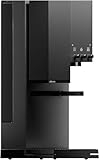
- 1. Three Levels of Automation for Any Skill Level: Choose from Autopilot, Copilot, or Free Solo mode. Autopilot handles the entire brewing process automatically. Copilot provides step-by-step guidance. Free Solo gives you full manual control. This coffee machine works for beginners and professional baristas alike.
- 2. Intuitive User Interface with Tactile Knobs and LED Matrix: The Studio features physical control knobs and a clear LED Matrix display. You can adjust grind size, water temperature, and flow rate in real time without navigating complicated touchscreen menus.
- 3. Full Customization via the xBloom App: Use the xBloom app to create, adjust, save, and share your favorite coffee recipes. Every brewing parameter can be fine-tuned and synced to the machine instantly. Your perfect cup is saved and repeatable.
- 4. Compostable xPod System for Minimal Waste and Maximum Flavor: Each xPod contains carefully selected whole beans and a built-in filter. Tap the recipe card, pour the beans into the grinder, place the pod into the dock, and press start. No capsules, no extra paper filters, no unnecessary waste.
- 5. What Is Included in the Box: The package includes the xBloom Studio, Omni Dripper 2 with Hyperflow Bottom, 10 paper filters, xPod Dock, Magnetic Dosing Cup, default recipe card, quick start guide, cleaning brush, universal power cord, and a 2-Year xbloom brand warranty. Everything you need is included—along with long-term peace of mind.
3. Set your budget.
- What to do: Research the price ranges for the types of coffee makers that interest you.
- What “good” looks like: You have a realistic price range in mind, from basic drip machines (under $50) to feature-rich espresso makers (over $300).
- A common mistake and how to avoid it: Focusing only on the initial purchase price and neglecting the ongoing costs of filters, pods, or specialized cleaning supplies. Factor these into your overall budget.
4. Evaluate counter space and footprint.
- What to do: Measure the available space on your kitchen counter where the coffee maker will live.
- What “good” looks like: You know the maximum width, depth, and height your coffee maker can be. For instance, a compact 8-inch wide machine might fit easily, but a 15-inch wide espresso machine might not.
- A common mistake and how to avoid it: Not measuring. You might fall in love with a machine online only to find it’s too large for your kitchen, leading to frustration. Always measure before you buy.
5. Consider ease of use and convenience features.
- What to do: Think about how much time and effort you’re willing to dedicate to making coffee each day.
- What “good” looks like: You’ve decided if you prefer a simple one-button operation, a programmable timer, or a machine that requires more manual steps like pre-heating or tamping.
- A common mistake and how to avoid it: Buying a machine with too many complex steps if you’re not a morning person. A programmable timer on a drip machine is a lifesaver if you value waking up to fresh coffee with minimal effort.
6. Decide on filter type and maintenance.
- What to do: Think about how you want to handle filters and cleaning.
- What “good” looks like: You’re comfortable with the ongoing cost and disposal of paper filters, the cleaning of a permanent mesh filter, or the specific system of pods. You also know if you want a machine with easily removable, dishwasher-safe parts.
- A common mistake and how to avoid it: Underestimating the cleaning involved. A machine with a permanent filter might seem eco-friendly, but if it’s difficult to clean thoroughly, it can lead to stale coffee. Look for machines with straightforward cleaning routines.
7. Check for desirable brewing features.
- What to do: Identify any “nice-to-have” features that would enhance your coffee experience.
- What “good” looks like: You’ve considered if features like brew strength control, a built-in grinder, or a milk frother are important to you. For example, if you love lattes, a steam wand is a must.
- A common mistake and how to avoid it: Overpaying for features you’ll never use. A built-in grinder is great for freshness, but if you already have a separate grinder you love, it might be an unnecessary expense.
Common mistakes (and what happens if you ignore them)
| Mistake | What it causes | Fix
