
Sweetening Your Coffee: Delicious Additions and Methods
Quick Answer
- Use natural sweeteners like honey, maple syrup, or agave for complex flavors.
- Try flavored syrups (vanilla, caramel, hazelnut) for a quick sweet kick.
- A touch of cinnamon or nutmeg can enhance sweetness without adding sugar.
- Consider dairy or non-dairy creamers with added sweetness.
- Experiment with sugar alternatives like stevia or erythritol if you’re watching sugar intake.
- Always start with a small amount and adjust to your taste.
Consider adding a delicious coffee creamer to your brew for an extra layer of flavor and sweetness.

- 4 - Canisters of Coffee mate Powdered Creamer; 1 of each: 16 oz Original, 15 oz Hazelnut, French Vanilla, and Caramel Latte
- Easy to pour and blends easily into hot or cold beverages, requiring no refrigeration
- Transform the coffee you like into the coffee you love
- Kosher, Cholesterol‑Free, Non-Dairy, Lactose-Free, Gluten-Free, and Shelf‑Stable
- Create your perfect cup of velvety goodness by adding the right amount of flavor you want every time
Who This Is For
- The coffee drinker who finds black coffee a bit too bitter.
- Someone looking to explore beyond plain sugar for sweetening.
- Anyone wanting to add a unique flavor profile to their morning cup.
What to Check First
Your Coffee Beans and Brew Method
The natural sweetness and flavor notes of your coffee beans play a huge role. Darker roasts often have more bitter notes, while lighter roasts can bring out fruity or floral sweetness. Your brewing method also impacts the final taste. A French press might yield a richer, fuller-bodied cup that can handle bolder sweeteners, while a pour-over might highlight delicate notes that a subtle sweetener can complement.
Water Quality and Temperature
Your water isn’t just a solvent; it’s a major component of your coffee. Hard water can mute flavors, while overly soft water can lead to a flat taste. Using filtered water is usually a safe bet. Water temperature is also critical. Too cool, and you won’t extract enough flavor, leading to a weak, sour cup. Too hot, and you can scorch the grounds, resulting in bitterness. Aim for 195-205°F (90-96°C) for most brewing methods.
Grind Size and Coffee Freshness
Freshly roasted and ground coffee is king. Stale coffee loses its nuanced flavors and can taste dull or even bitter. Grind your beans just before brewing for the best results. The grind size matters too. Too coarse, and the water passes through too quickly, under-extracting. Too fine, and you get over-extraction, leading to bitterness. Match your grind size to your brewer – think coarse for French press, medium for drip, and fine for espresso.
Coffee-to-Water Ratio
This is the foundation of good coffee. Too much coffee for the water, and it can be overpowering and bitter. Too little coffee, and it’ll be weak and watery, which can sometimes make perceived bitterness worse. A good starting point is the “golden ratio”: about 1:15 to 1:18 coffee to water by weight. That’s roughly 1-2 tablespoons of ground coffee per 6 oz of water.
Cleanliness of Your Brewer
This is non-negotiable. Old coffee oils build up fast and turn rancid, imparting a stale, bitter taste to every cup. If you’re not descaling regularly, mineral buildup can also affect taste and brewing performance. Give your brewer a good clean after every use and a deep descale every month or two, depending on your water hardness and usage. Trust me, a clean machine makes a world of difference.
Step-by-Step: Adding Sweetness to Your Brew
1. Start with Good Coffee: Grind your fresh beans just before brewing.
- Good looks like: A consistent grind size appropriate for your brewer.
- Common mistake: Using pre-ground coffee that’s been sitting around. Avoid this by buying whole beans and grinding them yourself.
2. Heat Your Water: Bring filtered water to the correct temperature (195-205°F / 90-96°C).
- Good looks like: Water just off the boil, not aggressively bubbling.
- Common mistake: Pouring boiling water directly onto the grounds. Let it sit for 30-60 seconds after boiling.
3. Prepare Your Brewer: Assemble your brewer and add your filter (if applicable). Rinse paper filters with hot water to remove papery taste.
- Good looks like: A clean, ready-to-go brewing setup.
- Common mistake: Forgetting to rinse the paper filter. This can impart a papery, off-flavor.
4. Add Coffee Grounds: Measure your coffee grounds according to your desired ratio.
- Good looks like: The correct amount of grounds for your water volume.
- Common mistake: Eyeballing the amount. Use a scale for consistency.
5. Bloom the Coffee (Pour-Over/Drip): Pour just enough hot water to saturate the grounds, then wait 30 seconds.
- Good looks like: The grounds puff up and release CO2 (the “bloom”).
- Common mistake: Skipping the bloom. This allows for more even extraction.
6. Complete the Brew: Continue pouring water according to your brewer’s method.
- Good looks like: A steady, controlled pour that evenly saturates the grounds.
- Common mistake: Pouring too fast or too aggressively, which can lead to channeling and uneven extraction.
7. Let it Drip/Steep: Allow the coffee to finish brewing or steeping.
- Good looks like: The coffee is fully brewed and ready to be poured.
- Common mistake: Cutting the brew short or letting it steep too long (for methods like French press), leading to weak or bitter coffee.
8. Remove Grounds/Filter: Once brewing is complete, remove the grounds or filter promptly.
- Good looks like: No lingering grounds in the brew.
- Common mistake: Leaving the coffee in contact with the grounds for too long after brewing, which can lead to over-extraction.
9. Add Your Sweetener: Pour your brewed coffee into your mug. Now, add your chosen sweetener.
- Good looks like: Adding a small amount first. You can always add more.
- Common mistake: Dumping in a ton of sweetener right away. You can’t take it out if it’s too sweet.
10. Stir Well: Stir until the sweetener is fully dissolved.
- Good looks like: No visible sweetener at the bottom of the mug.
- Common mistake: Not stirring enough, leaving a syrupy layer at the bottom.
11. Taste and Adjust: Take a sip. Is it sweet enough? Does it need more flavor?
- Good looks like: A balanced cup that hits your sweet spot.
- Common mistake: Settling for “okay” instead of adjusting. Your coffee should be enjoyable.
12. Enjoy Your Sweetened Coffee: Savor the flavor.
- Good looks like: A delicious, satisfying cup.
- Common mistake: Rushing through it. Take a moment to appreciate your creation.
Common Mistakes (and What Happens If You Ignore Them)
| Mistake | What it Causes | Fix |
|---|---|---|
| Using stale coffee beans | Dull, flat, or bitter taste; lack of natural sweetness. | Buy whole beans and grind them fresh for each brew. Store beans in an airtight container. |
| Incorrect water temperature | Under-extraction (sour, weak) or over-extraction (bitter, burnt). | Use a thermometer or let boiling water rest for 30-60 seconds before brewing. |
| Wrong grind size for the brewer | Under-extraction (sour) or over-extraction (bitter, muddy). | Match grind size to brewer type: coarse for French press, medium for drip, fine for espresso. |
| Not cleaning the coffee maker | Stale, rancid oils make coffee taste bitter and off. | Clean your brewer thoroughly after each use and descale regularly. |
| Adding too much sweetener at once | Overpoweringly sweet coffee; masks natural flavors. | Start with a small amount and add more gradually until the desired sweetness is reached. |
| Using low-quality sweeteners | Unpleasant aftertaste or artificial flavor notes. | Opt for natural sweeteners like honey, maple syrup, or quality flavored syrups. |
| Not stirring sweetener properly | Syrupy layer at the bottom; inconsistent sweetness throughout the cup. | Stir until the sweetener is fully dissolved into the coffee. |
| Using tap water with strong minerals | Muted flavors, metallic taste, or scale buildup in the brewer. | Use filtered or bottled water for a cleaner, more consistent coffee taste. |
| Adding sweetener to very hot coffee | Can sometimes alter the flavor profile of delicate sweeteners. | Let coffee cool slightly before adding sensitive sweeteners like honey or certain flavored syrups. |
| Relying solely on sugar | Misses out on complex flavor profiles that other sweeteners can offer. | Experiment with different natural sweeteners and spices to find new favorite combinations. |
Decision Rules
- If your coffee tastes sour, then your grind is likely too coarse or your water temperature is too low because you aren’t extracting enough of the coffee’s soluble compounds.
- If your coffee tastes bitter, then your grind is likely too fine, your water is too hot, or you’re over-extracting because you’re pulling out too many bitter compounds.
- If you want a subtle sweetness that complements floral notes, then try a light honey or agave because they have mild flavors.
- If you want a richer, caramel-like sweetness, then try maple syrup or a dark honey because their flavor profiles are more robust.
- If you are watching your sugar intake, then use a sugar alternative like stevia or erythritol because they provide sweetness with fewer calories.
- If you want a quick flavor boost, then a flavored syrup like vanilla or hazelnut is a good choice because they are designed to dissolve easily and add strong aromas.
- If your coffee tastes dull, then check the freshness of your beans and your grind size because stale coffee won’t produce good flavor.
- If you’re adding spices, then start with a pinch of cinnamon or nutmeg because they can enhance perceived sweetness without adding sugar.
- If you’re using a creamer, then check if it’s already sweetened because many do, and you might not need additional sweeteners.
- If you’re unsure about how much sweetener to add, then start with a small amount (e.g., half a teaspoon) and taste before adding more because you can always add, but you can’t take away.
- If your coffee tastes metallic, then it’s probably your water quality; switch to filtered water because tap water can sometimes impart off-flavors.
If you’re watching your sugar intake, explore sugar alternatives for coffee like stevia or erythritol for guilt-free sweetness.
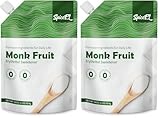
- The information below is per-pack only
- 100% Natural: Monk fruit extract and erythritol both come from natural plant sources, it's a premium sugar replacement without any artificial additives or chemical components.
- 1:1 Like Sugar: SPICEEL Monk Fruit Sweetener uses a scientifically formulated blend to replicate the true sweetness and flavor of sugar at a 1:1 ratio, allowing you to use it in cooking and baking just as you would with regular sugar.
- Unburdened Instant Sweetness: Monk fruit sweetener and sugar substitutes dissolve easily in beverages for instant sweetness, ensuring a sweet taste in DIY ice creams and sorbets that is also gentle on the stomach.
- Healthy Zero-Calorie Alternative: Monk fruit sweetener with erythritol contains zero calories, zero net carbs, and zero glycemic impact, not prone to cavities. It is ideal for diabetics and those looking to reduce their sugar intake.
FAQ
Q: What’s the best natural sweetener for coffee?
A: It depends on your preference! Honey offers floral notes, maple syrup brings a caramel depth, and agave is milder. Experiment to find your favorite.
Q: Can I use artificial sweeteners in my coffee?
A: Yes, you can. Many people use them to sweeten coffee without added sugar or calories. Just be aware that some have a distinct aftertaste.
Q: How can I make my coffee taste sweeter without adding sugar?
A: Try adding spices like cinnamon or nutmeg, which can enhance the perception of sweetness. Using a good quality, naturally sweet coffee bean also helps.
Q: What’s the difference between honey and maple syrup in coffee?
A: Honey tends to have floral or herbal undertones, while maple syrup offers richer, caramel-like notes. Both add sweetness but with distinct flavor profiles.
Q: Is it okay to add sweetener to espresso?
A: Absolutely. A touch of sweetener can balance the intense bitterness of espresso. Many people enjoy a dash of sugar or a flavored syrup in their espresso drinks.
Q: How do I prevent my sweetener from sinking to the bottom?
A: Make sure to stir your coffee thoroughly after adding the sweetener. For thicker sweeteners like honey or syrups, a good stir is key to dissolving them evenly.
Q: Can I add flavored syrups directly to my brewed coffee?
A: Yes, flavored syrups are designed to mix easily into hot beverages. Start with a small amount, as they can be quite potent.
Q: What if my coffee is already bitter? Will adding sweetener help?
A: Sweeteners can help balance bitterness, but they won’t fix an underlying brewing problem. Ensure your coffee is brewed correctly first, then add sweetener to taste.
What This Page Does Not Cover (and Where to Go Next)
- Detailed recipes for complex coffee drinks like lattes or cappuccinos (look for “espresso drink recipes”).
- The science behind coffee extraction and flavor compounds (search for “coffee extraction science”).
- Specific recommendations for coffee bean origins and their natural flavor profiles (explore “coffee bean tasting notes”).
- How to make homemade flavored syrups from scratch (check out “DIY coffee syrup recipes”).
- Advanced brewing techniques for specific coffee makers (e.g., Aeropress, Chemex guides).