
Ninja Coffee Bar: Brewing Single Servings Made Easy
Quick answer
- The Ninja Coffee Bar is designed with flexibility in mind, capable of brewing both full carafes and single servings.
- It offers various brew sizes, often including options for a single cup, travel mug, or half carafe, directly on the machine’s interface.
- This versatility makes it a convenient choice for households with diverse coffee drinking habits.
- To brew a single serving, you typically select the desired cup size and initiate the brew cycle.
- Always refer to your specific Ninja Coffee Bar model’s manual for precise instructions and available size options.
If you’re looking for a versatile coffee maker that excels at brewing both full pots and single servings, the Ninja Coffee Bar is an excellent choice. Its intuitive design makes it easy to select your desired brew size, ensuring you get the perfect cup every time.
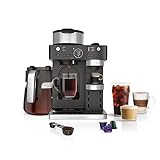
- BARISTA PLUS TECHNOLOGY: The 19-bar pressure system delivers ultra-flavorful espresso with a silky-smooth crema by brewing at the optimal temperature and pressure.
- COFFEEHOUSE DRINKS AT HOME: The built-in, fold-away frother allows you to create espresso-based cappuccinos, lattes, flat whites, and more.
- BREW SINGLE-SERVE ESPRESSO: Choose your favorite espresso capsule and brew up to 3 styles: Espresso (1.35 oz), Lungo (3.75 oz), and Over Ice (1 oz).
- BREW THROUGH COFFEE GROUNDS: Make a Classic, Rich, or Over Ice brew. Select 9 different sizes ranging from cup, to travel mug, to a full 12-cup carafe.
- VERSATILITY TO ENTERTAIN: Treat your guests to an espresso-based coffeehouse drink or brew a 12-cup carafe for the crowd.
Key terms and definitions
- Single Serving: Brewing a portion of coffee intended for one person, typically a standard mug or travel mug size.
- Carafe: A larger pot or jug designed to hold multiple servings of coffee.
- Brew Basket: The component where coffee grounds are placed for the brewing process.
- Water Reservoir: The tank where water is stored before being heated and used for brewing.
- Brew Size Selection: The controls on the coffee maker that allow you to choose how much coffee to brew.
- Over Ice Setting: A specific brew function designed to produce a concentrated coffee that won’t taste watered down when poured over ice.
- Permanent Filter: A reusable filter, often made of mesh, that can be washed and used instead of disposable paper filters.
- Programmable Timer: A feature that allows you to set the coffee maker to start brewing at a specific time.
- Thermal Carafe: A carafe with insulated walls designed to keep coffee hot for an extended period without a warming plate.
- Single-Serve Platform: A dedicated area or attachment on the coffee maker specifically designed for brewing into single cups or travel mugs.
How it works
- Water is poured into the reservoir, which is then heated to an optimal brewing temperature.
- The selected brew size determines the amount of water drawn from the reservoir.
- Coffee grounds are placed into the brew basket, either using a permanent filter or a disposable paper filter.
- Hot water is dispersed over the coffee grounds, extracting the soluble compounds that create the coffee’s flavor.
- The brewed coffee then drips through the filter and into the chosen vessel, whether it’s a single cup or a carafe.
- Many Ninja Coffee Bar models feature different brew strengths, allowing users to customize the intensity of their coffee.
- Some models include an “Over Ice” setting that brews a more concentrated coffee to compensate for dilution from melting ice.
- The machine typically heats water on demand for each brew cycle, ensuring freshness.
- The brewing process is initiated by pressing a start button after selecting the desired brew size and strength.
- After brewing, the machine usually enters a standby mode or automatically shuts off after a set period.
What affects the result
- Water Quality: Using filtered or bottled water can significantly improve taste by removing impurities that can cause off-flavors.
- Coffee Bean Freshness: Whole beans ground just before brewing offer the freshest flavor compared to pre-ground coffee.
- Grind Size: The coarseness or fineness of the coffee grounds impacts extraction; too fine can lead to bitterness, too coarse to weak coffee.
- Coffee-to-Water Ratio: The precise amount of coffee grounds used in relation to the amount of water brewed is crucial for achieving desired strength.
- Water Temperature: While most automatic brewers maintain a consistent temperature, variations can affect extraction. Optimal brewing is generally between 195-205°F.
- Brewing Method/Brewer Type: Different Ninja Coffee Bar models might have slightly varied brewing mechanisms that can influence the final cup.
- Filter Type: Paper filters can absorb some oils, leading to a cleaner cup, while permanent mesh filters allow more oils through, potentially resulting in a fuller body.
- Brew Time: The duration water is in contact with the grounds influences extraction.
- Pre-infusion/Bloom: Some advanced brewers (and some Ninja models) may offer a pre-infusion step where a small amount of water is used to wet the grounds before the main brew, allowing CO2 to escape.
- Cleanliness of the Machine: Residual coffee oils and mineral buildup can impart stale or off-flavors. Regular descaling and cleaning are important.
- Grounds Saturation: Ensuring all grounds are evenly saturated with water during the brewing process is key for consistent extraction.
- Serving Vessel: The material and shape of the cup or carafe can subtly affect how the coffee is perceived, though this is a minor factor.
Pros, cons, and when it matters
- Pro: Versatile Brew Sizes: Ability to brew single cups, travel mugs, and full carafes offers flexibility for different needs. This matters for individuals or households with varied coffee consumption.
- Con: Counter Space: Like many multi-functional appliances, it can take up a significant amount of counter space. This is a consideration for smaller kitchens.
- Pro: Convenience for Single Servings: Eliminates the need to brew a full pot when only one cup is desired, saving coffee and time. Crucial for busy mornings or when only one person drinks coffee.
- Con: Complexity: Some users might find the array of settings and options overwhelming initially. This matters if you prefer a simple, one-button operation.
- Pro: Programmable Features: Many models can be programmed to have coffee ready at a specific time. This is a significant benefit for those who like to wake up to freshly brewed coffee.
- Con: Durability Concerns: Some user reviews occasionally mention issues with longevity, though this can vary greatly by model and usage. This matters if long-term reliability is a top priority.
- Pro: Over Ice Brewing: The dedicated setting for brewing over ice is a great feature for iced coffee drinkers, preventing a watered-down taste. Essential for enjoying cold coffee.
- Con: Filter Cleaning: If using a permanent filter, it requires regular cleaning to prevent buildup and maintain coffee flavor. This is a minor inconvenience for some.
- Pro: Multiple Brew Strengths: Allows customization for those who prefer a bolder or milder cup. Important for personal taste preferences.
- Con: Plastic Components: Like many coffee makers, it utilizes plastic components, which some consumers prefer to avoid for environmental or health reasons. This matters for those seeking all-glass or stainless steel alternatives.
- Pro: Ease of Use for Basic Brewing: Once familiar with the settings, brewing a basic cup is straightforward. This is beneficial for everyday use.
- Con: Initial Cost: Compared to a very basic drip coffee maker, the Ninja Coffee Bar can have a higher upfront cost. This is a factor for budget-conscious buyers.
Common misconceptions
- Misconception: You can only brew full pots. Many Ninja Coffee Bar models are specifically designed to brew a range of sizes, including single cups.
- Misconception: All Ninja Coffee Bars brew single cups. While many do, it’s essential to check the specific model’s features, as some might be carafe-only.
- Misconception: Single-serve brewing is always weaker. The machine often adjusts the coffee-to-water ratio or uses a concentrated brew setting for single servings, so strength is customizable.
- Misconception: Using a permanent filter is always better. Permanent filters offer convenience and reduce waste, but paper filters can result in a cleaner-tasting cup by removing more oils.
- Misconception: The “Over Ice” setting is just a regular brew. This setting brews a more concentrated coffee to counteract dilution from ice, which a standard brew setting does not do.
- Misconception: You need special pods for single-serve brewing. Most Ninja Coffee Bar single-serve options use ground coffee in the brew basket, not proprietary pods.
- Misconception: Cleaning is not important for flavor. Coffee oils and mineral deposits build up over time and can significantly impact the taste of your coffee, even with a good machine.
- Misconception: Pre-ground coffee is just as good as freshly ground. While pre-ground coffee is convenient, freshly ground beans release more aroma and flavor compounds, leading to a superior taste.
- Misconception: Any water is fine for brewing. The mineral content and purity of your water directly affect the taste of your coffee. Filtered water is generally recommended.
- Misconception: Hotter water always means better coffee. While water needs to be hot enough for extraction, excessively boiling water can scald the grounds and produce bitter coffee.
FAQ
Q: Does the Ninja Coffee Bar make single cups?
A: Yes, most Ninja Coffee Bar models are designed to brew single servings in addition to larger batches. You can typically choose from sizes like a single cup, travel mug, or half carafe.
Q: How do I select a single serving size?
A: On the control panel of your Ninja Coffee Bar, there will be buttons or a dial to select your desired brew size. Simply choose the cup or travel mug option before starting the brew cycle.
Q: Can I use any coffee grounds for single-serve brewing?
A: Yes, you can use your preferred ground coffee. The amount you use will depend on the desired strength and the specific brew size you select.
Q: What if my model doesn’t have a clear “single cup” button?
A: Check your user manual. Some models might have a “half carafe” or a specific “travel mug” setting that effectively functions as a single-serve option.
Q: Does brewing a single cup use less coffee?
A: Generally, yes. You’ll use less coffee grounds and less water for a single serving compared to brewing a full carafe, making it more economical for one person.
Q: Is the “Over Ice” setting necessary for iced coffee?
A: While you can brew a regular cup and pour it over ice, the “Over Ice” setting brews a more concentrated coffee. This prevents your iced coffee from tasting watered down as the ice melts.
Q: How often should I clean my Ninja Coffee Bar?
A: It’s recommended to clean the brew basket and carafe after each use. Descaling, which removes mineral buildup, should be done periodically, typically every 1-3 months depending on your water hardness and usage.
Q: Can I use a paper filter with the permanent filter?
A: Some Ninja Coffee Bar models allow you to use either the permanent filter or a paper filter. Using a paper filter can result in a cleaner cup with less sediment.
Q: Will brewing a single cup affect the coffee quality?
A: The quality should be comparable to a larger brew, provided you use fresh coffee grounds and the correct ratio for the selected size. Some models even have specific settings to optimize single-serve extraction.
What this page does NOT cover (and where to go next)
- Specific troubleshooting steps for individual error codes or malfunctions. (Refer to your model’s troubleshooting guide or manufacturer support.)
- Detailed comparisons of Ninja Coffee Bar models against other brands. (Explore coffee maker reviews and comparison sites.)
- Information on advanced coffee brewing techniques like pour-over or espresso. (Look for guides on specialized brewing methods.)
- Specific recommendations for coffee bean types or roasts. (Consult coffee blogs, roaster websites, or specialty coffee shops.)
- In-depth analysis of water mineral content and its impact on brewing. (Research water chemistry for coffee brewing.)