
Choosing A Coffee Maker: Key Features To Consider
Quick answer
- Consider your daily coffee consumption and desired brew strength.
- Think about the types of coffee you enjoy (drip, espresso, single-serve).
- Evaluate counter space and budget constraints.
- Prioritize ease of cleaning and maintenance.
- Look for features like programmable timers and temperature control for convenience and quality.
- Determine if you prefer a manual or automatic brewing process.
Buying priorities
- Brew Method Preference: Do you primarily drink drip coffee, espresso, pour-over, or single-serve pods? Your preferred method will narrow down the options significantly.
- Capacity Needs: How much coffee do you typically brew at once? Consider whether you need a single-cup machine or a larger carafe for multiple servings.
- Counter Space: Coffee makers come in various sizes. Measure your available counter space to ensure a good fit.
- Budget: Coffee makers range from under $50 to several hundred dollars. Set a realistic budget based on your needs and desired features.
- Ease of Cleaning: Look for machines with removable parts that are dishwasher-safe or easy to wipe down. Regular cleaning is crucial for taste and longevity.
- Temperature Control: Consistent brewing temperature is key to extracting optimal flavor. Some machines offer adjustable temperature settings.
- Brew Strength Options: If you like to customize your coffee, consider machines that offer different brew strength settings.
- Programmability: A programmable timer can be a lifesaver for busy mornings, allowing you to wake up to freshly brewed coffee.
- Filter Type: Decide between paper filters, permanent metal filters, or the convenience of pod systems. Each has its pros and cons for taste, cost, and environmental impact.
- Durability and Build Quality: Read reviews to gauge how well a coffee maker holds up over time. Materials like stainless steel often indicate better durability.
Feature comparison
- Brew Method: Drip, espresso, pour-over, French press, single-serve pod systems, cold brew.
- Capacity: Single-serve (4-12 oz), small carafe (4-8 cups), standard carafe (10-12 cups), large carafe (14+ cups).
- Temperature Control: Fixed temperature, adjustable temperature settings (e.g., 195-205°F), or no specific control.
- Filter Type: Paper filters (cone or basket), permanent metal filters (gold-tone or stainless steel), nylon mesh filters, or no filter (for immersion methods).
- Cleaning: Removable brew basket and carafe, dishwasher-safe parts, self-cleaning cycles, or manual wiping.
- Footprint: Compact designs for small kitchens, standard sizes, or larger machines with integrated grinders.
- Programmability: Manual start, 24-hour programmable timer, auto shut-off.
- Carafe Material: Glass carafe (often requires a warming plate), thermal carafe (keeps coffee hot without a plate).
- Water Reservoir: Removable for easy filling, fixed, or plumbed-in (for high-end espresso machines).
- Grinder Integration: Built-in burr or blade grinder for freshly ground beans.
- Milk Frother: Integrated steam wand or automatic frother for lattes and cappuccinos.
- Brew Strength Control: Standard, bold, or customized brew strength settings.
How to choose step-by-step
1. Assess Your Daily Coffee Habits:
- What to do: Think about how many cups of coffee you and your household drink per day.
- What “good” looks like: If it’s just you, a single-serve or small carafe might be sufficient. For a family, a 10-12 cup carafe is likely necessary.
- Common mistake and how to avoid it: Buying a large machine for one person. This leads to wasted coffee and a bulky appliance. Avoid this by accurately estimating your needs.
2. Identify Your Preferred Brew Method:
- What to do: Consider what kind of coffee you enjoy most – basic drip, rich espresso, nuanced pour-over, or the convenience of pods.
- What “good” looks like: If you love a strong espresso, look at espresso machines. If you prefer a classic cup, focus on drip coffee makers.
- Common mistake and how to avoid it: Purchasing a drip coffee maker when you actually crave espresso-based drinks. You’ll be disappointed with the results. Avoid this by being honest about your coffee preferences.
If you prefer a classic cup of coffee, focusing on drip coffee makers is the way to go. For a reliable option, consider a well-reviewed drip coffee maker like the [product name].
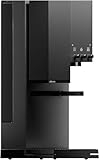
- 1. Three Levels of Automation for Any Skill Level: Choose from Autopilot, Copilot, or Free Solo mode. Autopilot handles the entire brewing process automatically. Copilot provides step-by-step guidance. Free Solo gives you full manual control. This coffee machine works for beginners and professional baristas alike.
- 2. Intuitive User Interface with Tactile Knobs and LED Matrix: The Studio features physical control knobs and a clear LED Matrix display. You can adjust grind size, water temperature, and flow rate in real time without navigating complicated touchscreen menus.
- 3. Full Customization via the xBloom App: Use the xBloom app to create, adjust, save, and share your favorite coffee recipes. Every brewing parameter can be fine-tuned and synced to the machine instantly. Your perfect cup is saved and repeatable.
- 4. Compostable xPod System for Minimal Waste and Maximum Flavor: Each xPod contains carefully selected whole beans and a built-in filter. Tap the recipe card, pour the beans into the grinder, place the pod into the dock, and press start. No capsules, no extra paper filters, no unnecessary waste.
- 5. What Is Included in the Box: The package includes the xBloom Studio, Omni Dripper 2 with Hyperflow Bottom, 10 paper filters, xPod Dock, Magnetic Dosing Cup, default recipe card, quick start guide, cleaning brush, universal power cord, and a 2-Year xbloom brand warranty. Everything you need is included—along with long-term peace of mind.
3. Determine Your Budget:
- What to do: Set a price range for your coffee maker.
- What “good” looks like: You can find reliable drip coffee makers for $50-$100, while more advanced espresso machines can cost $300+.
- Common mistake and how to avoid it: Overspending on features you won’t use or buying the cheapest option that breaks quickly. Avoid this by researching models within your budget and reading reviews.
4. Evaluate Counter Space:
- What to do: Measure the dimensions of your kitchen counter where the coffee maker will reside.
- What “good” looks like: A compact machine that fits comfortably without obstructing other kitchen activities.
- Common mistake and how to avoid it: Buying a large, feature-rich machine that doesn’t fit. This creates clutter and inconvenience. Avoid this by measuring before you buy.
5. Consider Filter Type and Sustainability:
- What to do: Decide if you prefer disposable paper filters, a reusable permanent filter, or a pod system.
- What “good” looks like: Paper filters offer a clean taste but generate waste. Permanent filters are eco-friendly and cost-effective long-term. Pods are convenient but can be expensive and create plastic waste.
- Common mistake and how to avoid it: Not considering the ongoing cost and environmental impact of filters. Avoid this by factoring in the long-term cost of paper filters or the environmental implications of pods.
6. Prioritize Ease of Cleaning:
- What to do: Look for coffee makers with removable, dishwasher-safe parts.
- What “good” looks like: A machine where the brew basket, carafe, and water reservoir can be easily detached and cleaned.
- Common mistake and how to avoid it: Neglecting cleaning due to difficult disassembly, leading to stale coffee flavors and potential mold. Avoid this by choosing a model known for simple cleaning.
7. Decide on Convenience Features:
- What to do: Think about whether features like programmability, brew strength control, or a built-in grinder are important to you.
- What “good” looks like: A programmable timer is excellent for busy mornings. Brew strength control lets you customize your cup.
- Common mistake and how to avoid it: Paying extra for features you’ll never use, like a milk frother if you only drink black coffee. Avoid this by focusing on features that genuinely enhance your coffee routine.
8. Check for Temperature Consistency:
- What to do: Look for specifications or reviews that mention the brewing temperature.
- What “good” looks like: Coffee brewed between 195°F and 205°F is ideal for optimal flavor extraction. Some machines offer adjustable temperature settings.
- Common mistake and how to avoid it: Using a machine that brews too cool, resulting in weak, sour coffee. Avoid this by researching models known for consistent brewing temperatures.
Common mistakes (and what happens if you ignore them)
| Mistake | What it causes | Fix |
|---|---|---|
| Not considering brew method preference | You end up with a machine that doesn’t make the coffee you actually want. | Identify your favorite coffee types (drip, espresso, etc.) before shopping. |
| Ignoring capacity needs | You’re constantly brewing multiple pots or having stale coffee left over. | Accurately estimate how many cups you drink daily and choose a capacity accordingly. |
| Forgetting to measure counter space | The coffee maker is too big and makes your kitchen feel cramped. | Measure your available space before buying to ensure a good fit. |
| Overlooking cleaning requirements | Coffee residue builds up, affecting taste and potentially leading to mold. | Choose a machine with easily removable and washable parts. |
| Buying solely on price | The machine is poorly made, breaks quickly, or produces subpar coffee. | Balance cost with quality and features. Read reviews to gauge durability. |
| Not checking brewing temperature capability | Coffee is too weak, sour (too cool), or bitter (too hot). | Look for machines that maintain optimal brewing temperatures (195-205°F) or offer adjustable settings. |
| Forgetting about filter costs/waste | Ongoing costs for paper filters add up, or you create excessive plastic waste. | Factor in the long-term cost and environmental impact of your chosen filter type. |
| Not considering water reservoir access | Filling the reservoir is awkward and messy. | Opt for a removable or easily accessible water reservoir for convenient refilling. |
| Buying a machine with too many unused features | You pay more for functionality you don’t need or use. | Focus on the features that are essential to your coffee-drinking habits. |
| Assuming all thermal carafes are equal | Coffee cools down too quickly or stays too hot for too long. | Read reviews that specifically mention the thermal carafe’s performance. |
Decision rules (simple if/then)
- If you drink coffee alone and prefer convenience, then a single-serve pod machine is a good choice because it offers quick, individual cups with minimal cleanup.
- If you need to brew for multiple people regularly, then a coffee maker with a 10-12 cup carafe is recommended because it ensures everyone gets a cup without needing multiple brews.
- If counter space is very limited, then a compact drip coffee maker or a slim single-serve machine should be prioritized because they take up less room.
- If you value flavor purity and are environmentally conscious, then a pour-over setup or a drip machine with a permanent metal filter is a good option because it avoids paper waste and allows for more control.
- If you want the convenience of waking up to coffee, then a programmable drip coffee maker is ideal because you can set it the night before.
- If you enjoy espresso-based drinks like lattes and cappuccinos, then an espresso machine with a steam wand or frother is necessary because drip coffee makers cannot produce espresso.
- If you are concerned about consistent coffee quality, then look for machines that specify brewing temperature or have adjustable settings because optimal extraction occurs between 195-205°F.
- If you prefer a cleaner taste and are okay with ongoing costs, then a drip coffee maker using paper filters is a good choice because they capture fine sediment.
- If you want to reduce your environmental footprint and ongoing filter costs, then a machine with a permanent filter is a better long-term investment because it’s reusable.
- If you are a coffee enthusiast who enjoys experimenting with different beans and brew styles, then consider a manual method like a French press or pour-over cone because they offer maximum control.
- If you have a tight budget, then a basic drip coffee maker is a practical choice because they are generally the most affordable option.
- If you want to simplify your morning routine and have freshly ground coffee, then a machine with an integrated grinder can be beneficial because it saves a step.
FAQ
- What is the ideal brewing temperature for coffee?
The Specialty Coffee Association recommends a brewing temperature between 195°F and 205°F. This range is crucial for extracting the best flavors from coffee grounds.
- Are thermal carafes better than glass carafes?
Thermal carafes keep coffee hot for longer without a warming plate, which can “cook” the coffee and make it taste bitter. Glass carafes are often paired with warming plates, which can degrade flavor over time.
- What’s the difference between a blade grinder and a burr grinder?
A blade grinder chops beans inconsistently, while a burr grinder grinds them to a uniform size. Uniform grounds lead to a more even extraction and better-tasting coffee.
- How often should I clean my coffee maker?
It’s recommended to clean removable parts daily and descale the machine every 1-3 months, depending on your water hardness and usage. Regular cleaning prevents bitter tastes and machine malfunctions.
- Is a programmable coffee maker worth the extra cost?
If you value convenience and enjoy waking up to freshly brewed coffee, a programmable model can be very worthwhile. It adds a significant layer of ease to your morning routine.
- What does “bloom” mean in coffee brewing?
The bloom is the initial phase when hot water first hits fresh coffee grounds, releasing carbon dioxide. Allowing grounds to bloom for about 30 seconds can improve flavor extraction.
- Are pod coffee makers bad for the environment?
Many single-serve pods are made of plastic and are not easily recyclable, contributing to landfill waste. Some companies offer compostable or recyclable pod options.
- What is a “SCA Certified” coffee maker?
SCA certification means a coffee maker has met rigorous standards for brewing temperature, time, and consistency, ensuring a high-quality cup.
What this page does NOT cover (and where to go next)
- Specific brand recommendations and reviews. (Next: Research top-rated brands for your chosen coffee maker type.)
- Detailed guides on specific brewing techniques like pour-over or espresso extraction. (Next: Explore brewing guides for manual coffee methods.)
- The impact of water quality on coffee taste. (Next: Learn about water filtration for coffee brewing.)
- Coffee bean origins, roast levels, and grinding techniques. (Next: Investigate coffee bean selection and freshness.)
- Maintenance and repair guides for specific models. (Next: Consult the manufacturer’s manual for your coffee maker.)