
Beginner’s Guide To Buying A Coffee Maker
Quick Answer
- Consider your daily coffee needs: How many cups do you drink, and how many people are you brewing for?
- Decide on your preferred brew method: Drip, pour-over, French press, or single-serve pods all offer different experiences.
- Think about convenience vs. control: Some machines are fully automated, while others give you more hands-on brewing control.
- Budget is key: Coffee makers range from under $30 to several hundred dollars, so set a realistic price range.
- Space matters: Measure your counter space to ensure the coffee maker fits comfortably.
- Cleaning ease: Look for removable parts and simple designs to make daily cleanup less of a chore.
Buying Priorities
- Brew Method Preference: This is the most significant factor. Do you want the simplicity of a drip machine, the ritual of pour-over, the full-bodied taste of a French press, or the speed of a single-serve pod system?
- Capacity: How much coffee do you need at once? Single-cup machines are great for individuals, while 10-12 cup carafes are better for households or entertaining.
- Ease of Use: For beginners, a straightforward, intuitive design is crucial. Avoid overly complicated controls or multi-step brewing processes unless you’re seeking a more involved experience.
- Cleaning and Maintenance: Coffee makers require regular cleaning to function well and produce good-tasting coffee. Look for models with removable, dishwasher-safe parts.
- Counter Space Footprint: Measure the area where you plan to keep your coffee maker. Some machines are compact, while others, especially espresso machines, can be quite large.
- Budget: Coffee makers vary widely in price. Determine how much you’re willing to spend, from basic models to high-end, feature-rich machines.
- Temperature Control: For optimal flavor extraction, water should be heated to between 195°F and 205°F. Some advanced machines offer precise temperature control.
- Durability and Build Quality: A well-built coffee maker will last longer. Consider materials like stainless steel or BPA-free plastics.
- Programmability: If you like waking up to fresh coffee, a programmable timer can be a valuable feature, allowing you to set brew times in advance.
- Filter Type: Most drip machines use paper filters, but some offer reusable metal filters, which can be more eco-friendly and cost-effective over time.
Feature Comparison
- Brew Method: Varies from automatic drip, single-serve pod, pour-over, French press, espresso, cold brew.
- Capacity: Ranges from single-serve (4-12 oz) to multi-cup carafes (4-14 cups).
- Brew Temperature Control: Basic models heat water to a standard temperature; advanced models offer precise digital control (e.g., 195-205°F).
- Filter Type: Disposable paper filters (cone or basket style), permanent (reusable) metal or nylon mesh filters, or no filter (French press).
- Carafe Material: Glass carafes are common and affordable but can break; thermal stainless steel carafes keep coffee hot longer without a warming plate.
- Cleaning: Features like removable brew baskets, filter holders, and dishwasher-safe components simplify cleaning. Some machines have descaling cycles.
- Footprint: Compact models take up minimal counter space, while larger machines, especially espresso makers, require more room.
- Programmable Timer: Allows you to set brew times in advance, so coffee is ready when you wake up or return home.
- Grinder Integration: Some high-end machines include a built-in grinder for fresh grounds, though this adds complexity and cost.
- Water Reservoir: Some have integrated reservoirs, while others require manual filling for each brew cycle. Removable reservoirs are easier to clean and fill.
- Strength Control: Certain machines offer options to adjust brew strength, from mild to bold.
- Keep Warm Function: A warming plate keeps the carafe warm for a set period (e.g., 1-2 hours) or indefinitely on some models.
How to Choose Step-by-Step
1. Determine Your Daily Coffee Volume:
- What to do: Think about how many cups of coffee you and your household typically drink each day. Consider if you often make coffee for guests.
- What “good” looks like: If you’re a single person who drinks one cup, a single-serve machine or a small 4-cup drip maker is sufficient. If you have a family of four who each drink two cups, a 10-12 cup maker is more appropriate.
- Common mistake and how to avoid it: Buying a large capacity machine when you only need a few cups daily. This leads to wasted coffee and less fresh-tasting brews. Avoid this by accurately assessing your typical consumption.
2. Identify Your Preferred Brew Method:
- What to do: Research different brewing methods like automatic drip, pour-over, French press, AeroPress, and single-serve pod systems. Consider the taste profile and the brewing process involved.
- What “good” looks like: You understand the fundamental differences and have a preference. For example, you enjoy the full body and ritual of a French press, or you prioritize speed and convenience with a pod system.
- Common mistake and how to avoid it: Purchasing a machine based on aesthetics without understanding the brew method it uses. This can result in disappointment if the coffee quality or brewing experience doesn’t match your expectations. Avoid this by trying coffee from different methods if possible, or reading detailed reviews of each brew style.
If you’re looking for a straightforward and reliable option, a classic drip coffee maker is an excellent choice for beginners. They are user-friendly and consistently deliver a good cup of coffee.
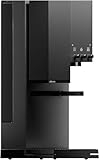
- 1. Three Levels of Automation for Any Skill Level: Choose from Autopilot, Copilot, or Free Solo mode. Autopilot handles the entire brewing process automatically. Copilot provides step-by-step guidance. Free Solo gives you full manual control. This coffee machine works for beginners and professional baristas alike.
- 2. Intuitive User Interface with Tactile Knobs and LED Matrix: The Studio features physical control knobs and a clear LED Matrix display. You can adjust grind size, water temperature, and flow rate in real time without navigating complicated touchscreen menus.
- 3. Full Customization via the xBloom App: Use the xBloom app to create, adjust, save, and share your favorite coffee recipes. Every brewing parameter can be fine-tuned and synced to the machine instantly. Your perfect cup is saved and repeatable.
- 4. Compostable xPod System for Minimal Waste and Maximum Flavor: Each xPod contains carefully selected whole beans and a built-in filter. Tap the recipe card, pour the beans into the grinder, place the pod into the dock, and press start. No capsules, no extra paper filters, no unnecessary waste.
- 5. What Is Included in the Box: The package includes the xBloom Studio, Omni Dripper 2 with Hyperflow Bottom, 10 paper filters, xPod Dock, Magnetic Dosing Cup, default recipe card, quick start guide, cleaning brush, universal power cord, and a 2-Year xbloom brand warranty. Everything you need is included—along with long-term peace of mind.
3. Assess Your Time and Effort Commitment:
- What to do: Evaluate how much time you’re willing to spend on brewing and cleaning each day.
- What “good” looks like: You’ve matched your desired convenience level with a brew method. For instance, a programmable drip machine is ideal if you want to press a button and have coffee ready, while a pour-over setup suits someone who enjoys the manual process.
- Common mistake and how to avoid it: Underestimating the daily time commitment for manual brewing methods like pour-over or French press. This can lead to the machine gathering dust. Avoid this by being realistic about your morning routine and choosing a method that fits.
4. Set Your Budget:
- What to do: Decide on a price range for your coffee maker. Remember to factor in the ongoing cost of filters, coffee beans, or pods.
- What “good” looks like: You have a clear price range in mind, from basic models ($30-$75) to mid-range ($75-$200) or premium options ($200+).
- Common mistake and how to avoid it: Overspending on features you won’t use or buying the cheapest option without considering build quality and longevity. Avoid this by researching price points for your preferred brew method and features.
5. Consider Counter Space and Storage:
- What to do: Measure the dimensions of your kitchen counter or cabinet where the coffee maker will reside.
- What “good” looks like: The coffee maker fits comfortably in its designated spot, with enough clearance for operation and refilling.
- Common mistake and how to avoid it: Purchasing a coffee maker that is too large for your available space, leading to clutter or an inability to use it properly. Avoid this by measuring your space before you buy.
6. Evaluate Cleaning and Maintenance Requirements:
- What to do: Look at the design of the coffee maker and identify parts that need regular cleaning. Check if components are removable and dishwasher-safe.
- What “good” looks like: The machine has easily accessible parts that can be quickly rinsed or placed in the dishwasher, minimizing daily upkeep.
- Common mistake and how to avoid it: Not considering cleaning ease and ending up with a machine that’s difficult to maintain, leading to poor coffee taste and potential mold growth. Avoid this by prioritizing models with simple, removable parts.
7. Research Specific Features:
- What to do: Once you’ve narrowed down your options, look for features that enhance your coffee experience, such as programmability, a thermal carafe, or precise temperature control.
- What “good” looks like: You’ve identified 1-2 “nice-to-have” features that align with your priorities and budget, such as a programmable timer for morning convenience or a thermal carafe for better heat retention.
- Common mistake and how to avoid it: Getting overwhelmed by too many advanced features or paying extra for functions you won’t use. Avoid this by focusing on the core features that matter most to your brewing needs.
Common Mistakes (and what happens if you ignore them)
| Mistake | What it causes | Fix |
|---|---|---|
| Not considering brew method | Disappointment with coffee taste, brewing complexity, or overall experience. | Research and try coffee from different methods before buying; understand the pros and cons of each. |
| Buying too large or too small a capacity | Wasted coffee, stale brews (too large), or multiple brewing cycles (too small). | Accurately assess daily coffee consumption for yourself and your household. |
| Ignoring counter space limitations | Cluttered kitchen, difficulty in operation, or inability to fit the machine. | Measure your available counter space and check the coffee maker’s dimensions before purchasing. |
| Neglecting cleaning and maintenance | Poor coffee flavor, mineral buildup, potential mold, and shortened lifespan. | Choose a machine with easily removable and washable parts; establish a regular cleaning routine. |
| Not setting a realistic budget | Overspending on unnecessary features or buying a cheap machine that breaks. | Determine your budget and research models within that range, considering ongoing costs. |
| Overlooking ease of use | Frustration with complex operation, leading to infrequent use. | Opt for a user-friendly design, especially if you’re new to home brewing. |
| Focusing only on aesthetics | A beautiful machine that doesn’t produce good coffee or meet your needs. | Prioritize functionality, brew method, and ease of use over mere visual appeal. |
| Forgetting about filter type | Ongoing cost and availability issues with specific filter types. | Check if the machine uses readily available filters or a reusable option that suits you. |
| Not considering noise levels | Annoyance, especially if brewing early in the morning. | Read reviews that mention noise levels if this is a concern for your household. |
Decision Rules (Simple If/Then)
- If you prioritize speed and convenience for single servings, then choose a single-serve pod machine because they are fast and require minimal cleanup.
- If you drink multiple cups daily and want a simple, hands-off approach, then opt for an automatic drip coffee maker because they brew larger quantities with minimal effort.
- If you enjoy the ritual of brewing and a rich, full-bodied flavor, then consider a French press because it’s a manual method that allows for more control.
- If you have limited counter space, then look for compact drip coffee makers or single-serve machines because they have a smaller footprint.
- If you want to wake up to freshly brewed coffee, then select a programmable drip coffee maker because you can set the brew time in advance.
- If you want to avoid ongoing costs of paper filters, then choose a drip machine with a permanent metal filter or a French press because they use reusable filters.
- If you are a beginner who wants to learn more about brewing without a huge investment, then start with a basic pour-over setup or an inexpensive drip machine because they are entry-level and educational.
- If you want to keep coffee hot for extended periods without a warming plate, then choose a coffee maker with a thermal stainless steel carafe because it insulates the coffee.
- If you are concerned about water temperature affecting flavor, then look for advanced drip machines with precise temperature control because they aim for optimal brewing temperatures.
- If you are making coffee for a large household or often entertain, then select a drip coffee maker with a 10-12 cup capacity because it brews enough for multiple people at once.
- If you want to minimize daily cleanup, then choose a machine with dishwasher-safe components because it simplifies the maintenance process.
For those who enjoy a more hands-on brewing experience and appreciate nuanced flavors, a pour-over coffee maker can be a rewarding choice. It allows for greater control over the brewing process.

- Pour Over Coffee: Manual Pour Over Coffee Maker allows you to brew an excellent cup of Coffee in minutes
- Stainless steel: Includes a new and improved permanent, stainless steel mesh filter that helps extract your coffee's aromatic oils and subtle flavors instead of being absorbed by a paper filter
- Coffee Carafe: Made of durable, heat-resistant borosilicate glass with Cork Band detailing that is both functional and elegant; single wall
- Quick and Easy: Simply add coarse ground Coffee to filter, pour a small amount of water in a circular motion over ground Coffee until soaked then add the remaining water and let drip
- Servings: Pour Over Coffee Maker makes 8 cups of Coffee, 4 oz each; dishwasher safe
FAQ
Q: What is the best type of coffee maker for a beginner?
A: For most beginners, a standard automatic drip coffee maker is a great starting point. They are user-friendly, brew a decent amount of coffee, and are widely available.
Q: How important is water temperature for brewing coffee?
A: Water temperature is very important for extracting the best flavor from coffee grounds. The ideal range is typically between 195°F and 205°F. Too cool, and the coffee can be weak; too hot, and it can taste burnt.
Q: Should I buy a coffee maker with a built-in grinder?
A: A built-in grinder can be convenient for fresh grounds, but it often adds significant cost and complexity. Many beginners prefer to buy a separate grinder to have more control over grind size and freshness.
Q: How often should I clean my coffee maker?
A: It’s best to rinse the brew basket and carafe after each use. A more thorough cleaning, including descaling, should be done every 1-3 months, depending on your water hardness and usage.
Q: What’s the difference between a glass and a thermal carafe?
A: Glass carafes are common and affordable but require a warming plate, which can sometimes make coffee taste burnt over time. Thermal carafes use insulation to keep coffee hot for hours without a warming plate, preserving flavor better.
Q: Are single-serve pod machines worth it?
A: They are incredibly convenient and fast for making one cup at a time, with minimal cleanup. However, they can be more expensive per cup, generate more waste, and offer less control over coffee strength and flavor compared to other methods.
Q: What does “programmable” mean on a coffee maker?
A: A programmable coffee maker has a timer you can set so that it automatically starts brewing at a specific time. This is ideal if you like to wake up to a fresh pot of coffee.
Q: How do I know if a coffee maker is durable?
A: Look for sturdy materials like stainless steel accents or a robust plastic build. Reading reviews that mention longevity and build quality can also provide insight into a machine’s durability.
What This Page Does NOT Cover (and Where to Go Next)
- Specific coffee bean recommendations: This guide focuses on the brewing equipment. For bean advice, explore resources on coffee origins, roast levels, and flavor profiles.
- Advanced brewing techniques: This is for beginners. If you’re interested in mastering pour-over or espresso, look for guides dedicated to those specific methods.
- Detailed maintenance and descaling procedures: While cleaning is mentioned, specific instructions vary by model. Consult your coffee maker’s manual for precise descaling steps.
- Comparison of specific brands or models: This guide provides a framework for choosing. For direct comparisons, research individual brands and models based on your priorities.
- The science of coffee extraction: For a deeper dive into why certain temperatures or grind sizes matter, seek out articles or books on coffee science.