
Can Drinking Coffee Daily Lead to Fatigue?
Quick answer
- For most folks, daily coffee doesn’t cause chronic fatigue.
- It’s more about how and when you drink it.
- Too much caffeine, especially late in the day, can mess with your sleep.
- Sleep disruption is a major driver of fatigue.
- Withdrawal from caffeine can cause temporary tiredness.
- Underlying health issues are often the real culprit for persistent fatigue.
Key terms and definitions
- Caffeine: The natural stimulant found in coffee beans. It blocks adenosine, a chemical that makes you feel tired.
- Adenosine: A neurotransmitter that builds up in your brain throughout the day, promoting sleepiness.
- Sleep Cycle: The natural pattern of sleep and wakefulness your body follows. Disrupting this leads to fatigue.
- Caffeine Tolerance: When your body gets used to regular caffeine intake, needing more to get the same effect.
- Withdrawal: The physical and mental symptoms experienced when stopping or reducing caffeine intake.
- Circadian Rhythm: Your body’s internal 24-hour clock that regulates sleep-wake patterns.
- Sleep Debt: The cumulative effect of not getting enough sleep over time.
- Stimulant: A substance that increases activity in the central nervous system.
- Diuretic: A substance that promotes the production of urine, potentially leading to dehydration if fluid intake isn’t sufficient.
- Insomnia: Persistent problems falling or staying asleep.
How it works
- Coffee contains caffeine, a stimulant that hikes up alertness.
- Caffeine binds to adenosine receptors in your brain.
- This blocks adenosine’s signal, making you feel less tired.
- It also can trigger adrenaline release, giving you a jolt.
- Your body metabolizes caffeine over time.
- This process determines how long its effects last.
- Regular coffee drinkers can develop a tolerance.
- This means the same dose has less impact over time.
- Suddenly stopping coffee can lead to withdrawal.
- Withdrawal symptoms often include fatigue.
If you’re looking for a controlled way to manage your caffeine intake without the coffee, consider exploring caffeine supplements. They can offer a precise dose to help you stay alert.
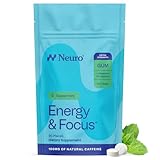
- Fast-Acting Nootropic - Our energy supplements deliver an extra boost of energy and clarity with a blend of natural caffeine, L-theanine, and vitamin b6 & b12. Your go-to chewing gum for work, exercise, and daily focus!
- Clean Energy - Each piece of our sugar free gum delivers 100mg of natural caffeine from green coffee beans for a smooth energy boost without crashes or jitters.
- The Perfect Balance - With 60mg of L-theanine per piece, our energy and focus formula promotes enhanced focus and stress reduction to smooth energy boosts.
- How to Use - Chew one piece of the caffeine gum whenever focus or energy is lacking. Ideal for mornings, pre-workout, or afternoon slumps. Effects typically kick in within minutes thanks to optimal absorption through the mouth.
- Made by Neuro, Backed by Science - At Neuro, we combine neuroscience with clean, science backed ingredients to help you do more, think better, and feel your best every single day.
What affects the result
- Amount of Caffeine: More caffeine means a bigger, but potentially shorter-lived, effect. Too much can lead to jitters and sleep issues.
- Timing of Consumption: Drinking coffee too close to bedtime disrupts your natural sleep cycle. This is a big one.
- Individual Sensitivity: Some people are genetically more sensitive to caffeine’s effects.
- Metabolism Speed: How quickly your body breaks down caffeine varies. Faster metabolism means effects wear off sooner.
- Sleep Quality: If you’re already sleep-deprived, caffeine might just mask the fatigue temporarily.
- Hydration Levels: Caffeine can be a mild diuretic. Dehydration can worsen fatigue.
- Caffeine Tolerance: Regular users may not feel the same “wake-up” boost.
- Coffee Brewing Method: Different methods extract varying amounts of caffeine. Espresso has more per ounce, but you usually drink less.
- Other Stimulants/Medications: Interactions can alter how caffeine affects you.
- Diet and Nutrition: Poor nutrition can contribute to overall fatigue, which caffeine might mask.
- Stress Levels: High stress can amplify the negative effects of too much caffeine and disrupt sleep.
- Underlying Health Conditions: Fatigue can be a symptom of various medical issues, unrelated to coffee.
Pros, cons, and when it matters
- Pro: Increased Alertness: Coffee can sharpen focus and combat drowsiness. Great for early mornings or long drives.
- Con: Sleep Disruption: Drinking too late can lead to tossing and turning. This is a surefire way to feel wiped out the next day.
- Pro: Mood Boost: Caffeine can improve mood and reduce feelings of depression. A little pick-me-up can be nice.
- Con: Caffeine Withdrawal: Stopping suddenly can cause headaches and fatigue. Gotta ease into it if you quit.
- Pro: Enhanced Physical Performance: Can help power through workouts.
- Con: Jitters and Anxiety: High doses can make you feel on edge.
- Pro: Antioxidants: Coffee contains beneficial compounds.
- Con: Digestive Issues: Some people experience stomach upset.
- Pro: Social Ritual: Grabbing coffee with friends is a good time.
- Con: Dependency: Relying on it to function can be a crutch.
- Pro: Potential Health Benefits: Some studies link moderate coffee consumption to reduced risk of certain diseases.
- Con: Can Mask Underlying Issues: Coffee might hide genuine fatigue caused by health problems.
Common misconceptions
- Myth: Coffee is dehydrating. While it has a mild diuretic effect, for most regular drinkers, the water in coffee compensates.
- Myth: Coffee causes chronic insomnia. For most, it’s about timing and quantity, not a permanent sleep disorder.
- Myth: Daily coffee makes you permanently tired. It’s usually a temporary effect from sleep disruption or withdrawal, not a long-term state.
- Myth: You need coffee to be productive. Many people are productive without it, or with other strategies.
- Myth: All coffee has the same amount of caffeine. Brewing methods and bean types vary caffeine content significantly.
- Myth: Caffeine is bad for your heart. Moderate consumption is generally safe for most healthy adults.
- Myth: Coffee “burns off” fat. It can temporarily boost metabolism, but it’s not a magic weight-loss solution.
- Myth: Cold brew has less caffeine. Often, it has more due to higher coffee-to-water ratios and longer steeping times.
- Myth: If you don’t feel jittery, you’re not getting enough caffeine. Sensitivity varies greatly.
- Myth: Coffee is addictive like hard drugs. Caffeine dependence is real, but it’s not comparable to severe substance addiction.
FAQ
Q: Can drinking coffee every day make me permanently tired?
A: Generally, no. Persistent fatigue is usually linked to sleep issues, diet, or health problems, not daily coffee itself.
Q: If I drink coffee, will I get tired when I stop?
A: Yes, you might experience temporary fatigue and headaches as part of caffeine withdrawal. This usually passes within a few days.
Q: Is it okay to drink coffee before bed?
A: It’s generally not recommended. Caffeine can interfere with your sleep cycle, making it harder to fall asleep and reducing sleep quality.
Q: How much coffee is too much?
A: For most healthy adults, up to 400 milligrams of caffeine daily (about 4 cups of brewed coffee) is considered safe. Exceeding this can lead to negative side effects.
Q: Does coffee tolerance mean it won’t wake me up anymore?
A: Tolerance means you might need more caffeine to get the same effect, or the initial boost might be less pronounced. It doesn’t necessarily mean it stops working entirely.
Q: Can coffee cause anxiety that feels like fatigue?
A: Yes, too much caffeine can trigger anxiety, jitters, and a racing heart, which can sometimes be mistaken for or contribute to feelings of exhaustion.
Q: What should I do if I think coffee is making me tired?
A: Try reducing your intake, especially later in the day, or take a break for a week or two to see if your energy levels improve.
Q: Are there specific times of day I should avoid coffee?
A: Yes, avoid it for at least 6-8 hours before your intended bedtime to protect your sleep quality.
Q: Can my diet affect how coffee makes me feel?
A: Absolutely. A balanced diet supports overall energy. If you’re not eating well, coffee might just be masking underlying tiredness.
Q: What are signs my fatigue isn’t from coffee?
A: Look for persistent tiredness that doesn’t improve with rest, other physical symptoms, or fatigue that impacts your daily life significantly.
What this page does NOT cover (and where to go next)
- Specific medical advice for chronic fatigue. Consult a doctor for persistent issues.
- Detailed breakdowns of caffeine content in every single coffee drink.
- Advanced brewing techniques for optimizing caffeine extraction.
- The science behind coffee’s long-term health benefits or risks.