
Can Coffee Worsen Depression?
Quick Answer
- For most people, moderate coffee consumption doesn’t worsen depression.
- Some individuals are more sensitive to caffeine’s effects.
- High doses of caffeine can cause anxiety and sleep disruption, which can mimic or worsen depressive symptoms.
- Quitting caffeine suddenly can lead to withdrawal symptoms like fatigue and irritability, sometimes mistaken for worsening depression.
- If you suspect coffee is impacting your mood, try reducing intake or switching to decaf.
- Always consult a healthcare professional for persistent mood issues.
What This Topic Usually Is (and Is Not)
- This is about how caffeine, the main active compound in coffee, might interact with your mental state.
- It’s not about coffee being a direct cause of clinical depression.
- We’re looking at potential worsening of existing symptoms or triggering temporary mood dips.
- It’s not about judging your coffee habit, just understanding its effects.
- This isn’t medical advice. If you’re struggling with depression, see a doctor. That’s non-negotiable.
Likely Causes (Triage List)
Caffeine Sensitivity:
- Some folks just react more strongly to caffeine. If you get jittery on one cup, that’s a clue.
- Pay attention to how you feel after your coffee. Jitters, racing thoughts, or a sudden crash?
Dosage and Timing:
- How much are you drinking? More than 400mg a day (about 4 cups of brewed coffee) can be too much for some.
- When are you drinking it? Late afternoon coffee can mess with sleep, and poor sleep is a depression trigger.
Withdrawal Effects:
- If you skip your usual coffee, do you get a headache or feel sluggish? That’s withdrawal.
- Sometimes, these withdrawal symptoms can feel like a dip in mood.
If you’re looking to manage your caffeine intake more precisely, consider caffeine supplements for controlled dosing.
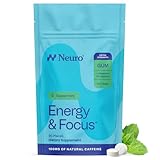
- Fast-Acting Nootropic - Our energy supplements deliver an extra boost of energy and clarity with a blend of natural caffeine, L-theanine, and vitamin b6 & b12. Your go-to chewing gum for work, exercise, and daily focus!
- Clean Energy - Each piece of our sugar free gum delivers 100mg of natural caffeine from green coffee beans for a smooth energy boost without crashes or jitters.
- The Perfect Balance - With 60mg of L-theanine per piece, our energy and focus formula promotes enhanced focus and stress reduction to smooth energy boosts.
- How to Use - Chew one piece of the caffeine gum whenever focus or energy is lacking. Ideal for mornings, pre-workout, or afternoon slumps. Effects typically kick in within minutes thanks to optimal absorption through the mouth.
- Made by Neuro, Backed by Science - At Neuro, we combine neuroscience with clean, science backed ingredients to help you do more, think better, and feel your best every single day.
Underlying Health Conditions:
- Anxiety disorders often go hand-in-hand with depression. Caffeine can spike anxiety.
- If you have other health issues, caffeine might interact in ways you don’t expect.
Hydration and Nutrition:
- Are you drinking enough water throughout the day? Dehydration can make you feel tired and moody.
- Skipping meals and relying on coffee for energy? That rollercoaster isn’t good for anyone.
To ensure you’re staying adequately hydrated, a hydration tracker can be a helpful tool.

- Effortless Hydration Tracking: Simply pop a bubble for every bottle of water you finish to visually track your progress towards your daily hydration goals.
- Boost Focus, Energy & Health: Proper hydration supports better performance, sharper focus, and all-day energy.
- Built for Your Active Lifestyle: Our waterproof and durable band is perfect for the gym, hiking, or any outdoor activity. No batteries or charging required—it works anytime, anywhere.
- Lightweight & Portable: Weighing only 0.6 oz, GWaT is easy to carry anywhere—perfect for the gym, office, classroom, or travel.
- The Simple Hydration Solution: Stop relying on complicated apps or forgetful habits. GWaT is a low-tech, simple, and effective way to ensure you're drinking enough water every day.
Fix It Step-by-Step (Mood Workflow)
1. Assess Your Current Intake:
- What to do: Track every cup of coffee (and other caffeinated drinks) for a week. Note the size and time.
- What “good” looks like: You have a clear picture of how much caffeine you’re actually consuming.
- Common mistake: Guessing your intake. It’s easy to underestimate. Be honest with yourself.
2. Consider Your Sensitivity:
- What to do: Think back. Do you usually feel wired after coffee? Or calm?
- What “good” looks like: You have a gut feeling about whether you’re sensitive to caffeine.
- Common mistake: Ignoring your body’s signals. Just because your buddy drinks 6 cups doesn’t mean you can.
3. Reduce Caffeine Gradually (If Needed):
- What to do: If you’re drinking a lot, cut back slowly. Swap one regular coffee for decaf, or mix half-caf, half-regular.
- What “good” looks like: You’re decreasing your intake without severe withdrawal.
- Common mistake: Going cold turkey. This can trigger headaches and fatigue that feel like depression.
4. Adjust Your Timing:
- What to do: Stop drinking coffee at least 6-8 hours before bedtime.
- What “good” looks like: You’re falling asleep easier and getting better quality rest.
- Common mistake: Drinking coffee too late. It’s a common culprit for sleep problems.
5. Stay Hydrated:
- What to do: Drink a glass of water before your coffee and keep water handy all day.
- What “good” looks like: You feel generally well-hydrated, not sluggish or headachy.
- Common mistake: Forgetting to drink water. Coffee is a diuretic, so you need to compensate.
6. Focus on Nutrition:
- What to do: Eat balanced meals. Don’t skip breakfast.
- What “good” looks like: You have sustained energy throughout the day, not just from caffeine.
- Common mistake: Relying on coffee to power through hunger. This leads to energy crashes.
7. Observe Your Mood:
- What to do: Keep a simple mood journal. Note how you feel each day, especially after changing your coffee habits.
- What “good” looks like: You can start to see patterns between your coffee intake and your mood.
- Common mistake: Not paying attention. The subtle shifts can be missed if you’re not looking for them.
8. Consult a Professional:
- What to do: If you’re still concerned about your mood or depression, talk to your doctor or a mental health professional.
- What “good” looks like: You’re getting expert guidance tailored to your specific situation.
- Common mistake: Self-diagnosing or ignoring persistent mood issues. Professional help is key.
Prevent It Next Time
- Clean your coffee maker regularly. A dirty machine can affect taste and potentially your health.
- Descale your machine every 1-3 months. This prevents mineral buildup that impacts performance and taste.
- Use filtered water. Better water means better coffee and less scale buildup.
- Store coffee beans properly. Airtight container, cool, dark place. Avoid the fridge or freezer for daily use.
- Measure your coffee and water. Consistency is key for predictable results and understanding your intake.
- Know your caffeine limits. Pay attention to how much you’re drinking daily.
- Listen to your body. If coffee makes you anxious or jittery, cut back.
- Don’t use coffee to mask fatigue. Address the root cause of tiredness.
- Schedule regular check-ins with your doctor. Especially if you have a history of depression.
Common Mistakes (and What Happens If You Ignore Them)
| Mistake | What it Causes | Fix |
|---|---|---|
| Drinking too much coffee | Anxiety, jitters, insomnia, heart palpitations, mood swings | Reduce intake gradually, switch to decaf, or half-caf. |
| Drinking coffee late in the day | Difficulty falling asleep, poor sleep quality, daytime fatigue | Stop caffeine consumption 6-8 hours before bedtime. |
| Going cold turkey off caffeine | Severe headaches, fatigue, irritability, brain fog, nausea | Taper off caffeine slowly by reducing intake over several days. |
| Ignoring caffeine sensitivity | Persistent anxiety, racing thoughts, feeling on edge | Acknowledge your sensitivity and adjust intake accordingly. |
| Using coffee to replace meals | Energy crashes, irritability, nutrient deficiencies, mood swings | Eat balanced meals and snacks; use coffee as a beverage, not fuel. |
| Not drinking enough water | Dehydration, headaches, fatigue, reduced cognitive function | Drink water throughout the day, especially before and after coffee. |
| Consuming stale or poorly stored coffee | Flat taste, lack of aroma, potential for mold or off-flavors | Store beans in an airtight container away from heat and light. |
| Not cleaning the coffee maker | Bitter or off-tastes, potential for mold or bacteria growth | Clean your brewer regularly according to the manufacturer’s guide. |
| Relying solely on coffee for energy | Cycle of caffeine highs and lows, burnout, poor overall health | Prioritize sleep, balanced nutrition, and stress management. |
Decision Rules (Simple If/Then)
- If you experience jitters or anxiety after coffee, then reduce your intake because caffeine can be a stimulant.
- If you have trouble sleeping, then stop drinking coffee at least 6-8 hours before bed because caffeine disrupts sleep cycles.
- If you get headaches or feel tired when you skip coffee, then you might be experiencing withdrawal, so taper off slowly.
- If your mood feels consistently low or you’re experiencing depressive symptoms, then consult a doctor because coffee is not a treatment for depression.
- If you drink more than 400mg of caffeine daily, then consider cutting back because that’s the generally accepted upper limit for healthy adults.
- If your coffee tastes bitter or burnt, then check if your machine needs cleaning or descaling because buildup affects flavor.
- If you’re feeling anxious and sensitive, then try decaf or herbal tea because caffeine can exacerbate anxiety symptoms.
- If you notice your mood improves when you reduce coffee, then continue with lower intake because your body might be sensitive.
- If you’re pregnant or have certain health conditions, then talk to your doctor about caffeine intake because recommendations can vary.
- If you’re trying to manage depression, then focus on proven strategies like therapy and medication, not just coffee adjustments.
FAQ
Can coffee make depression symptoms worse?
For some sensitive individuals, high caffeine intake can lead to anxiety, sleep problems, and mood swings that mimic or worsen depressive symptoms. However, for most, moderate consumption is fine.
Is it okay to drink coffee if I have depression?
For many, moderate coffee consumption is perfectly fine and may even offer some mood-lifting benefits due to caffeine’s stimulant effects. The key is moderation and listening to your body.
What are signs that coffee might be negatively affecting my mood?
Look out for increased anxiety, jitters, difficulty sleeping, irritability, or a significant energy crash after the caffeine wears off.
Should I quit coffee if I have depression?
Not necessarily. If you suspect coffee is an issue, try reducing your intake or switching to decaf. Quitting cold turkey can cause withdrawal that feels like worsening depression. Consult your doctor first.
How much caffeine is too much?
Generally, up to 400mg per day (about 4 cups of brewed coffee) is considered safe for most healthy adults. Individual tolerance varies greatly.
Can decaf coffee help with mood?
Decaf coffee still contains a small amount of caffeine, but its primary benefit for mood might come from the ritual and enjoyment of drinking coffee without the strong stimulant effects.
What’s the difference between caffeine withdrawal and worsening depression?
Caffeine withdrawal typically involves headaches, fatigue, and irritability that appear shortly after stopping caffeine and usually resolve within a few days. Depression is a more persistent and complex mood disorder.
How can I tell if my sleep problems are from coffee?
If you consume caffeine within 6-8 hours of bedtime and have trouble falling asleep or staying asleep, coffee is a likely culprit.
What This Page Does NOT Cover (and Where to Go Next)
- Specific medical diagnoses or treatment plans for depression. If you suspect depression, please consult a healthcare professional.
- Detailed nutritional breakdowns of coffee beans or brewing methods. This focuses on the caffeine and mood aspect.
- Comparisons of specific coffee brands or their caffeine content. Caffeine levels vary widely by bean and brew.
- The science behind how caffeine affects brain chemistry in depth. We’re keeping it practical.
Where to go next:
- Topics on managing anxiety.
- Information on sleep hygiene.
- Resources for mental health support.
- Guides on understanding caffeine content in different beverages.