
Can Coffee Intensify Menstrual Cramps?
Quick Answer
- For some individuals, caffeine in coffee may temporarily worsen menstrual cramp symptoms.
- Caffeine can constrict blood vessels, potentially increasing uterine contractions.
- The effect varies greatly from person to person.
- Reducing caffeine intake before and during your period may help alleviate cramps.
- Other lifestyle factors and pain management strategies are often more impactful.
- If you experience severe cramps, consult a healthcare professional.
What This Problem Usually Is (And Is Not)
This article addresses the common question of whether drinking coffee can intensify menstrual cramps. It’s important to understand that the relationship between caffeine and menstrual pain is not a direct cause-and-effect for everyone. Many factors contribute to menstrual cramps, and coffee’s impact is often secondary or situational. This guide will help you understand potential connections and how to manage your symptoms, but it is not a substitute for medical advice. If your cramps are severe, persistent, or significantly disrupt your life, please seek professional medical guidance.
Likely Causes (Triage List)
Caffeine Sensitivity:
- What to look for: Do you notice increased anxiety, jitters, or digestive upset after consuming coffee, even outside of your period?
- Confirmation: Keep a journal noting your coffee intake and any changes in cramp severity.
Blood Vessel Constriction:
- What to look for: Do your cramps feel like sharp, intense, or throbbing pains?
- Confirmation: This is a physiological response that’s difficult to directly observe, but it’s a known mechanism by which caffeine could affect uterine muscles.
Dehydration:
- What to look for: Are you drinking enough water throughout the day, especially when consuming coffee?
- Confirmation: Check the color of your urine; pale yellow usually indicates good hydration.
Other Dietary Factors:
- What to look for: Do you consume a lot of salty, processed, or sugary foods, particularly around your period?
- Confirmation: Track your food intake alongside your symptom diary.
Stress Levels:
- What to look for: Are you experiencing a particularly stressful period in your life?
- Confirmation: Note your perceived stress levels daily.
Underlying Medical Conditions:
- What to look for: Are your cramps unusually severe, debilitating, or accompanied by other concerning symptoms like heavy bleeding or pain during intercourse?
- Confirmation: This requires a diagnosis from a healthcare provider.
Fix It Step-by-Step (Brew Workflow)
This workflow focuses on managing potential caffeine’s impact on menstrual cramps, not troubleshooting a coffee maker.
1. Assess Your Current Intake:
- What to do: Track how much coffee (and other caffeinated beverages) you consume daily for a week leading up to and during your period.
- What “good” looks like: You have a clear understanding of your typical caffeine consumption patterns.
- Common mistake: Estimating intake instead of tracking precisely. Avoid this by writing it down immediately after each serving.
2. Consider Reducing Caffeine:
- What to do: If you consume more than 200-300 mg of caffeine daily (roughly 2-3 cups of brewed coffee), consider gradually reducing your intake, especially in the week before and during your period.
- What “good” looks like: You’ve identified a target reduction that feels manageable for you.
- Common mistake: Quitting cold turkey, which can lead to caffeine withdrawal headaches. Reduce by one serving at a time over several days.
3. Opt for Decaf or Lower-Caffeine Alternatives:
- What to do: Switch to decaffeinated coffee, herbal teas (like chamomile or ginger), or warm water with lemon.
- What “good” looks like: You’ve found enjoyable alternatives that satisfy your craving for a warm beverage.
- Common mistake: Assuming all “herbal teas” are caffeine-free; check labels for true herbal infusions.
If you’re looking for a comforting warm beverage without the caffeine, consider switching to herbal teas like chamomile or ginger. These can be a soothing alternative during your period.

- CALMING LAVENDER CHAMOMILE BLEND: Tiesta Tea's Lavender Chamomile Herbal Tea is created for a soothing experience. This chamomile tea features the gentle essence of lavender combined with chamomile, ideal for a peaceful moment in every cup.
- LOOSE LEAF TEA QUALITY: Experience the fullness of flavor with our loose leaf tea, crafted with carefully selected ingredients for a delightful taste. Without disposable tea bags, this blend highlights the richness of loose tea leaves, delivering a tea experience that's vibrant in both flavor and aroma.
- HERBAL TEA FOR RELAXATION: This Lavender Chamomile tea is designed to offer calm and comfort. The blend of chamomile with lavender makes it an ideal tea to help you relax. Perfect for a nighttime wind-down or an afternoon pause, it’s a great addition to any daily tea ritual.
- NATURAL AND AROMATIC: Enjoy the gentle, floral aroma of lavender chamomile tea, crafted without additives and ideal for those seeking a caffeine-free option. This herbal tea offers a pure, calming flavor that makes it perfect for unwinding at any time.
- SEASONAL FLAVORS: Tiesta Tea’s loose-leaf blends are crafted to enhance your tea experience throughout the colder months. These seasonal favorites deliver a variety of flavors that are easy to brew and enjoy. Whether for personal use or shared during holiday gatherings, Tiesta Tea includes options that match different preferences and occasions.
4. Hydrate Adequately:
- What to do: Increase your water intake, aiming for at least 8-10 glasses (64-80 oz) per day, especially when reducing caffeine.
- What “good” looks like: Your urine is consistently pale yellow, and you feel generally well-hydrated.
- Common mistake: Forgetting to drink water or substituting other beverages for water. Keep a water bottle handy.
5. Focus on a Balanced Diet:
- What to do: Prioritize whole foods, fruits, vegetables, and lean proteins. Reduce intake of salt, sugar, and processed foods.
- What “good” looks like: Your diet is rich in nutrients and low in inflammatory ingredients.
- Common mistake: Making drastic dietary changes all at once. Focus on small, sustainable adjustments.
6. Incorporate Gentle Movement:
- What to do: Engage in light physical activity like walking, yoga, or stretching.
- What “good” looks like: You feel a gentle release of tension and improved circulation.
- Common mistake: Pushing yourself too hard with strenuous exercise, which can sometimes exacerbate pain. Listen to your body.
7. Practice Stress Management:
- What to do: Try deep breathing exercises, meditation, or spending time in nature.
- What “good” looks like: You feel a sense of calm and reduced tension.
- Common mistake: Believing that stress management is a quick fix; it’s an ongoing practice.
8. Consider Pain Relief Options:
- What to do: Over-the-counter pain relievers like ibuprofen or naproxen can be effective. Warm compresses or heating pads can also provide relief.
- What “good” looks like: Your pain is managed to a comfortable level.
- Common mistake: Relying solely on medication without addressing other contributing factors.
Over-the-counter pain relievers like ibuprofen or naproxen can be effective. Warm compresses or heating pads can also provide relief.

- A true adrenal support formula—replaces coffee without caffeine. Powered by Ashwagandha and Eleuthero, it offers non-stimulating energy, supports balanced cortisol levels, and promotes stress resilience. Ideal for those experiencing fatigue or burnout. Try our Adrenal Fatigue Recovery Tea for natural, daily adrenal support.
- Adaptogenic Herbs for Stress & Energy: This blend features time-tested adaptogens traditionally used to support the body’s response to stress, promote steady energy, and calm the nervous system. ASHWAGANDHA is known for helping reduce stress and improving stamina. ELEUTHERO supports endurance and focus. LICORICE ROOT is traditionally used to nourish the adrenals and help maintain balanced cortisol levels. TULSI (Holy Basil) is valued for easing tension and promoting emotional resilience.
- Circulatory & Digestive Support Herbs: Warming herbs like CINNAMON and GINGER are included to support circulation, stimulate digestion, and bring overall warmth to the body—making the blend more balanced and revitalizing.
- BUYER BEWARE: Master Herbalist Khabir cautions that many so-called adrenal support products rely heavily on L-theanine—an amino acid many clients with adrenal fatigue were already taking with minimal benefit. Some supplement brands include only trace amounts of herbs like Ashwagandha, Tulsi, and Eleuthero just to list them on the label. Don’t be misled by these marketing tactics. For best results, take your vitamins, minerals, and amino acids with meals—and your herbal formulas separately, as directed.
- This tea has been used successfully for decades in the clinics of Khabir Southwick (Herbman), a Registered Herbal Pharmacist and Ayurvedic Doctor. Search KHABIRS CLINIC to learn more about this master herbalist and his renowned herbal therapies.
For direct relief, over-the-counter pain relievers can be very effective. If you’re experiencing significant discomfort, exploring these options might be beneficial.
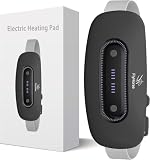
- Cordless Relief That Moves With Your Routine: Unlike plug-in heating pads that keep you tied to a chair or bed, this wearable heating pad is powered by 2 built-in 1800mAh rechargeable batteries, so you can keep soothing warmth on while doing housework, walking around the office, commuting, or relaxing on the couch. It is made for people whose discomfort does not wait until they sit still
- Fast Warmth for The Moment Discomfort Starts: When cramps, lower-abdomen tension, or back tightness suddenly hit in the middle of work, errands, commuting, or rest, waiting too long for heat can feel frustrating. With fast heating in as little as 3 seconds, this cordless heating pad helps bring warmth right when you need it, so you can stay more comfortable through busy mornings, cold days, and long afternoons
- 4 Heat Levels for Different Body Feels and Daily Situations: Your body does not feel the same all day—and neither should your heat setting. Choose from 104°F, 118°F, 133°F, and 149°F for gentle warmth on cooler days, moderate comfort during routine wear, or deeper heat when cramps or muscle tightness feel more intense. Whether you are sitting in an air-conditioned office, driving in cold weather, or resting at home, you can match the heat to how your body feels in that moment
- 4 Massage Modes for The Tension Built By Sitting, Standing or Driving: Long hours at a desk, extended driving, standing through shifts, or moving all day can leave the lower back and abdominal area feeling stiff, sore, and tired. This wireless heating pad combines heat with 4 vibration massage modes to help relax the tightness that builds up from daily routines, giving extra comfort for teachers, nurses, office workers, drivers, and anyone whose schedule puts constant strain on the body
- Wider Heat Coverage for Pain That Does Not Stay In One Small Spot: Discomfort from cramps or lower-back fatigue often spreads across more than one narrow area. With an enlarged heating zone of about 8.3 x 9 inches, this rechargeable heating pad surrounds more of the lower abdomen or lower back at once, so warmth feels broader, more even, and more effective than small hot-spot pads that only warm one limited point
9. Monitor Your Symptoms:
- What to do: Continue to track your symptoms, caffeine intake, and other lifestyle factors.
- What “good” looks like: You are gathering data to understand what works best for your body.
- Common mistake: Stopping tracking too soon. Consistent data collection is key to identifying patterns.
10. Consult a Healthcare Professional:
- What to do: If cramps are severe, debilitating, or you have concerns, schedule an appointment with your doctor.
- What “good” looks like: You receive personalized medical advice and potential treatment options.
- Common mistake: Delaying a doctor’s visit when symptoms are severe or unusual.
Prevent It Next Time
- Track Your Cycle: Be aware of your menstrual cycle to anticipate symptoms.
- Moderate Caffeine: Limit caffeine intake, especially in the days leading up to and during your period.
- Stay Hydrated: Drink plenty of water consistently.
- Eat Nutritiously: Focus on whole foods and reduce salt, sugar, and processed items.
- Gentle Exercise: Incorporate light physical activity regularly.
- Manage Stress: Practice relaxation techniques daily.
- Listen to Your Body: Pay attention to how different foods and drinks affect you.
- Consider Alternatives: Explore decaf options or herbal teas.
- Seek Medical Advice: Don’t hesitate to consult a doctor for severe or persistent pain.
Common Mistakes (And What Happens If You Ignore Them)
| Mistake | What it Causes | Fix |
|---|---|---|
| Consuming large amounts of coffee during period | Potentially intensified cramps due to vasoconstriction and increased uterine contractions. | Gradually reduce caffeine intake; switch to decaf or herbal teas. |
| Ignoring hydration when drinking coffee | Caffeine is a mild diuretic; inadequate water intake can worsen cramps and overall discomfort. | Increase water intake significantly, especially when consuming coffee. |
| Eating a diet high in salt and sugar | Can lead to fluid retention and inflammation, potentially exacerbating cramp severity. | Focus on whole, unprocessed foods; reduce intake of salty snacks and sugary drinks. |
| Skipping physical activity | Lack of movement can lead to stiffness and reduced circulation, potentially making cramps feel worse. | Engage in gentle exercise like walking or yoga. |
| High stress levels | Stress can amplify pain perception and affect hormone balance, potentially worsening cramps. | Practice mindfulness, deep breathing, or other stress-reduction techniques. |
| Relying solely on caffeine | Can mask fatigue but doesn’t address underlying causes of cramps and may contribute to their intensity. | Use caffeine moderately, if at all, during your period and prioritize rest and self-care. |
| Not tracking symptoms | Makes it difficult to identify patterns between coffee intake, diet, lifestyle, and cramp severity. | Keep a symptom diary to correlate coffee consumption and other factors with your pain levels. |
| Delaying medical consultation for severe pain | Missed opportunity for diagnosis and treatment of underlying conditions like endometriosis or fibroids. | Seek professional medical advice if cramps are debilitating or accompanied by other concerning symptoms. |
| Abruptly stopping caffeine | Can lead to withdrawal symptoms like headaches, fatigue, and irritability, which can feel similar to PMS. | Reduce caffeine intake gradually over several days. |
| Assuming all period pain is normal | May overlook treatable medical conditions that cause or worsen menstrual discomfort. | Consult a healthcare provider if your cramps are severe or change significantly. |
Decision Rules (Simple If/Then)
- If you notice an increase in cramp intensity after drinking coffee, then consider reducing your caffeine intake because caffeine can constrict blood vessels.
- If you experience jitters or anxiety after coffee, then you are likely sensitive to caffeine, and reducing intake during your period may help with cramps.
- If your cramps are severe and debilitating, then consult a healthcare professional because they could indicate an underlying medical condition.
- If you are trying to reduce caffeine, then switch to decaffeinated coffee or herbal teas because they offer a warm beverage alternative without the stimulant.
- If you are experiencing cramps, then ensure you are well-hydrated because dehydration can worsen muscle pain and discomfort.
- If you are consuming more than 2-3 cups of coffee per day, then cutting back, especially before and during your period, is a good preventative measure because high doses of caffeine may have a greater impact.
- If your cramps are accompanied by heavy bleeding or irregular cycles, then see a doctor because these symptoms warrant medical evaluation.
- If you find that reducing caffeine significantly helps your cramps, then make it a regular practice during your period because this indicates a clear correlation for your body.
- If you experience headaches when reducing coffee, then taper off gradually because this is a common caffeine withdrawal symptom.
- If you are seeking comfort and warmth, then use a heating pad or warm compress because these are effective non-pharmacological pain relief methods.
- If you notice your cramps worsen with increased salt intake, then reduce your sodium consumption because it can contribute to fluid retention and inflammation.
FAQ
Q: Does coffee always make menstrual cramps worse?
A: No, not everyone experiences this. The effect of caffeine varies greatly from person to person based on individual sensitivity and other factors.
Q: How much caffeine is considered “a lot” for period cramps?
A: While there’s no universal number, consuming more than 200-300 mg of caffeine daily (roughly 2-3 cups of brewed coffee) may be more likely to influence symptoms for sensitive individuals.
Q: What are some alternatives to coffee that won’t worsen cramps?
A: Decaffeinated coffee, herbal teas like chamomile, ginger, or peppermint, and warm water with lemon are good options.
Q: Can other caffeinated drinks like tea or soda affect cramps?
A: Yes, any beverage containing caffeine can potentially have a similar effect, though the amount of caffeine can vary significantly between different types and brands.
Q: Is it safe to take pain relievers with coffee?
A: Generally, yes, but always follow the dosage instructions on the pain reliever packaging and check with your doctor if you have concerns or are taking other medications.
Q: How long does it take to see if reducing coffee helps my cramps?
A: You might notice a difference within a few days to a week of reducing your intake, especially if you track your symptoms consistently.
Q: What if my cramps are severe even without drinking coffee?
A: Severe menstrual cramps can be a sign of an underlying medical condition, and you should consult a healthcare professional for diagnosis and treatment.
Q: Does decaf coffee have any caffeine?
A: Yes, decaffeinated coffee still contains a small amount of caffeine, but it’s significantly reduced compared to regular coffee.
What This Page Does Not Cover (And Where to Go Next)
- Specific medical diagnoses: This article does not diagnose or treat medical conditions. For severe or persistent pain, consult a healthcare provider.
- Prescription medications for cramps: This guide focuses on general self-care and over-the-counter options. Your doctor can discuss prescription treatments.
- Detailed nutritional science: While diet is mentioned, this article does not delve into the complex biochemistry of food and its impact on hormones.
- Other causes of pelvic pain: Menstrual cramps are just one type of pelvic pain. Other conditions have different causes and treatments.