
Coffee’s Influence On Pain Perception
Quick answer
- Caffeine, the main player in coffee, can actually block pain signals.
- It often acts like a mild pain reliever for some folks.
- For others, it might not do much, or in rare cases, can even amplify headaches.
- Your personal tolerance and the type of pain matter a lot.
- So, does coffee make pain worse? Usually, no. But it’s not a universal magic bullet.
Key terms and definitions
- Caffeine: The natural stimulant found in coffee beans. It’s what most people are after for that jolt.
- Adenosine Receptors: These are the spots in your brain where caffeine likes to hang out. They normally signal tiredness.
- Neurotransmitters: Chemical messengers in your brain. Caffeine can tweak the release of some, like dopamine and norepinephrine.
- Analgesic: This just means a pain reliever. Think ibuprofen or acetaminophen.
- Placebo Effect: When you feel better just because you think you’re getting treatment, even if it’s not the real deal. Coffee can sometimes tap into this.
- Vasoconstriction: The narrowing of blood vessels. Caffeine can cause this, which might help with certain types of headaches.
- Withdrawal Headache: That nasty pounding you get when you skip your usual coffee. It’s a classic sign you rely on it.
- Central Nervous System (CNS): Your brain and spinal cord. Caffeine works by affecting this system.
- Endorphins: Your body’s natural painkillers. Caffeine might indirectly influence their release.
- Inflammation: The body’s response to injury or irritation. Coffee’s role here is complex and debated.
How it works
- Caffeine gets absorbed into your bloodstream pretty fast.
- It travels to your brain and starts blocking adenosine receptors.
- Adenosine usually makes you feel sleepy and can sensitize pain pathways.
- By blocking adenosine, caffeine can make you feel more alert.
- It also prevents adenosine from signaling pain to your brain.
- This blocking action is a key reason coffee can help with pain.
- Caffeine can also boost the effects of other pain relievers you might take.
- It might increase the release of brain chemicals like dopamine.
- This can improve your mood, which indirectly affects how you perceive pain.
- For headaches, caffeine can constrict blood vessels, which is helpful for migraines.
If you’re looking to harness caffeine’s pain-blocking benefits without the coffee, caffeine supplements can be a convenient alternative.
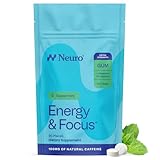
- Fast-Acting Nootropic - Our energy supplements deliver an extra boost of energy and clarity with a blend of natural caffeine, L-theanine, and vitamin b6 & b12. Your go-to chewing gum for work, exercise, and daily focus!
- Clean Energy - Each piece of our sugar free gum delivers 100mg of natural caffeine from green coffee beans for a smooth energy boost without crashes or jitters.
- The Perfect Balance - With 60mg of L-theanine per piece, our energy and focus formula promotes enhanced focus and stress reduction to smooth energy boosts.
- How to Use - Chew one piece of the caffeine gum whenever focus or energy is lacking. Ideal for mornings, pre-workout, or afternoon slumps. Effects typically kick in within minutes thanks to optimal absorption through the mouth.
- Made by Neuro, Backed by Science - At Neuro, we combine neuroscience with clean, science backed ingredients to help you do more, think better, and feel your best every single day.
What affects the result
- Your Caffeine Tolerance: Regular drinkers might notice less of an effect, or even withdrawal symptoms.
- The Type of Pain: Coffee seems to work better for headaches and muscle soreness than for chronic nerve pain.
- Dosage: Too little might not do anything. Too much can lead to jitters and anxiety, which can worsen discomfort.
- Genetics: Some people are just wired to metabolize caffeine faster or slower. This changes how it affects them.
- Hydration: Dehydration can cause headaches. While coffee can be a diuretic, the caffeine’s pain-blocking effect might still win out for some.
- Other Medications: Caffeine can interact with certain drugs, affecting both their efficacy and your pain levels.
- Freshness of Coffee: While more about taste, a stale cup might not have the same chemical punch.
- Brewing Method: Different methods extract caffeine and other compounds differently. An espresso shot has more caffeine per ounce than drip coffee.
- Individual Sensitivity: Some folks are just more sensitive to caffeine’s effects, good or bad.
- Your Diet: What else you’ve eaten can influence how your body absorbs and processes caffeine.
- Sleep Quality: Being sleep-deprived can make you more susceptible to pain, and caffeine’s effects can be masked or amplified.
- Stress Levels: High stress can make you more sensitive to pain. Coffee’s impact can vary depending on your overall stress.
Pros, cons, and when it matters
- Pro: Often acts as a mild analgesic, especially for headaches. It’s a common ingredient in over-the-counter pain relievers for this reason.
- Con: Can trigger or worsen headaches in some individuals, particularly if they are sensitive or experiencing caffeine withdrawal.
- Pro: May enhance the effectiveness of other pain medications, allowing you to take less.
- Con: Can lead to rebound headaches if consumed too frequently, especially if you then stop.
- Pro: Boosts alertness and mood, which can make pain feel less debilitating.
- Con: Can cause jitters, anxiety, and sleep disturbances, which can indirectly increase discomfort or make it harder to cope.
- Pro: Can help with post-exercise muscle soreness for some.
- Con: May not be effective for all types of pain, like severe chronic pain or nerve-related pain.
- Pro: It’s readily available and relatively inexpensive.
- Con: Overconsumption can lead to side effects like increased heart rate and digestive issues.
- Pro: For migraine sufferers, the vasoconstrictive effect can be beneficial.
- Con: For those prone to anxiety, the stimulant effect can amplify feelings of unease, making pain feel worse.
- Pro: Can provide a much-needed energy boost when dealing with pain that makes you feel fatigued.
- Con: Dependence can develop, making it harder to gauge its actual pain-relieving effects versus withdrawal avoidance.
Common misconceptions
- Myth: Coffee always makes pain worse.
- Reality: For many, it actually helps, especially with headaches.
- Myth: All coffee has the same amount of caffeine.
- Reality: Brewing method, bean type, and roast level all change the caffeine content.
- Myth: Caffeine is purely a pain reliever.
- Reality: It’s more complex; it blocks pain signals and alters perception, but doesn’t fix the underlying cause.
- Myth: If you get a headache from coffee, it’s always the caffeine.
- Reality: It could be dehydration, acidity, or even a reaction to something else in the brew.
- Myth: You can drink unlimited coffee to fight any pain.
- Reality: Too much caffeine has negative side effects that can worsen your overall state.
- Myth: Coffee withdrawal headaches mean coffee is bad for you.
- Reality: It just means you’re used to it. It’s a sign of dependence, not necessarily inherent harm.
- Myth: Coffee cures all types of pain.
- Reality: Its effects are specific and vary greatly from person to person and pain type to pain type.
- Myth: Decaf coffee has no effect on pain.
- Reality: Decaf still has trace amounts of caffeine and other compounds that can have mild effects.
- Myth: Coffee only affects your brain.
- Reality: It impacts your whole body, including blood vessels and hormone levels, which can influence pain.
FAQ
- Can coffee help with a migraine?
For some people, yes. Caffeine can constrict blood vessels in the brain, which can alleviate migraine pain. It’s also an ingredient in some migraine medications.
- Will coffee make my muscle soreness worse after a workout?
Generally, no. Studies suggest caffeine might actually reduce exercise-induced muscle pain and improve performance.
- I get headaches when I skip my morning coffee. Does this mean coffee is bad for me?
Not necessarily. This is likely a caffeine withdrawal headache. It means your body is used to caffeine, and its absence is causing discomfort.
- Can I take my pain medication with coffee?
Often, yes. Caffeine can sometimes boost the effectiveness of certain over-the-counter pain relievers like acetaminophen or ibuprofen. Always check your medication’s label or ask your doctor.
- Does the type of coffee matter for pain relief?
Yes, somewhat. Espresso has more caffeine per ounce than drip coffee. Cold brew might have different acidity levels. The key is the caffeine content and your personal reaction.
- What if coffee gives me jitters and makes my pain feel worse?
That’s a sign you might be sensitive to caffeine or have had too much. Try a smaller amount, a weaker brew, or switch to decaf.
- Is there a point where coffee stops helping with pain and starts hurting?
Absolutely. Too much caffeine can lead to anxiety, increased heart rate, and sleep problems, all of which can amplify discomfort or make pain harder to manage.
- Does decaf coffee have any impact on pain perception?
Decaf coffee still contains small amounts of caffeine and other compounds. While its effect is much weaker, some people report minor impacts on their pain or mood.
What this page does NOT cover (and where to go next)
- Specific medical advice for chronic pain conditions. Consult a healthcare professional.
- Detailed chemical analysis of coffee’s compounds beyond caffeine. Research coffee bean science.
- Brand-specific comparisons of coffee makers and their caffeine extraction. Explore coffee brewing guides.
- The precise physiological mechanisms of every type of pain. Look into pain management resources.
- Nutritional information about coffee beyond caffeine. Check dietary resources.