
Brewing With Robusta Coffee Beans
Quick Answer
- Robusta packs a punch. Expect more caffeine and a bolder, sometimes bitter, flavor.
- Grind coarser than you would for Arabica. Robusta’s density needs a bit more breathing room.
- Use slightly cooler water. Around 195-200°F is a good starting point.
- Lower your coffee-to-water ratio. A bit less coffee can tame Robusta’s intensity.
- Consider brewing methods that handle bold flavors well, like espresso or French press.
- Don’t be afraid to experiment. Robusta is forgiving, but it likes a little finesse.
If you’re looking to explore a bolder flavor and a serious caffeine kick, consider trying these Robusta coffee beans. They pack a punch that’s hard to beat.
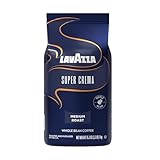
- SUPER CREMA: A 2.2 lb whole bean coffee bag ideal for espresso preparation
- INTENSITY AND ROAST: This full-bodied medium roast offers a bold and creamy finish
- BLEND: Made from Arabica and Robusta beans, this naturally caffeinated blend is sourced from 15 coffee-growing countries around the world
- PREPARATION: Ideal for espresso preparation.
- BREWING GUIDE FOR SINGLE ESPRESSO: 0.28 oz of ground espresso delivers a 1 oz espresso shot
Who This Is For
For consistent results when brewing, especially with potent beans like Robusta, a good coffee scale is invaluable. It helps you nail the perfect coffee-to-water ratio every time.

- Barista-Level Precision: A 0.1g high-precision sensor with a rapid refresh rate responds instantly to changes in weight, helping you achieve consistent results across espresso, pour over, drip coffee, Chemex, V60, and filter coffee brewing.
- Integrated Brew Timer: A built-in count-up and count-down timer tracks bloom, extraction, and espresso shots. Ideal for dialing in espresso, timing Chemex and V60 pour over recipes, or steeping tea. Auto-shutoff helps preserve battery life between brews.
- Durable Waterproof Silicone Cover: The heat-resistant, dishwasher-safe silicone cover helps protect the coffee scale's spacious 5.25" x 5.25" weighing surface from splashes, spills, and hot equipment. The grooved surface provides added stability and makes cleanup quick and easy.
- Versatile Measurement Options: Quick-tare and 6 unit options make it easy to weigh coffee beans, espresso shots, matcha portions, and more. Choose from g, ml, lb, lb:oz, oz, and fl oz for added flexibility in the kitchen and coffee bar.
- Intuitive Design: A bright dual-color LCD display clearly separates weight and timer readings, while simple controls make daily brewing easy. Includes 3 AAA batteries and is backed by 5 years of coverage, with support from our St. Louis-based team whenever you need a hand.
- Anyone who loves a serious caffeine kick and a strong coffee flavor.
- Home brewers looking to explore beyond the usual Arabica beans.
- Folks who find their coffee isn’t “strong” enough, even with dark roasts.
What to Check First
Brewer Type and Filter Type
What are you working with? A drip machine, a pour-over, an AeroPress, or maybe an espresso machine? Each has its own sweet spot. Paper filters tend to catch more oils, which can sometimes mellow out Robusta’s punch. Metal filters let more through, for a fuller body. Know your gear.
Water Quality and Temperature
Bad water makes bad coffee, plain and simple. Use filtered water if your tap water tastes off. For Robusta, you might want to dial back the heat a touch. Aim for around 195-200°F, maybe even a tad lower if you’re getting too much bitterness. Too hot, and you’ll just amplify the harshness.
Grind Size and Coffee Freshness
Robusta beans are denser and harder than Arabica. This means they need a coarser grind. Think medium-coarse for drip, or even coarser for a French press. If your coffee tastes muddy or bitter, your grind is likely too fine. And always, always use fresh beans. Stale coffee tastes flat, no matter the bean.
Coffee-to-Water Ratio
Because Robusta is so potent, you might need to adjust your usual ratio. Start with a slightly lower coffee dose. For example, if you normally use 1:15 (coffee to water by weight), try 1:16 or 1:17 for Robusta. It’s about finding that balance between strength and drinkability.
Cleanliness/Descale Status
This is non-negotiable. If your brewer is dirty, your coffee will taste bad. Full stop. Scale buildup can mess with water temperature and flow. Give your machine a good clean and descale it regularly. It’s one of the easiest ways to improve your coffee game.
Step-by-Step: How to Make Robusta Coffee
This workflow is a general guide. Adjust based on your brewer and bean roast.
1. Heat Your Water: Bring your filtered water to a temperature between 195-200°F.
- Good looks like: Water that’s hot but not boiling. A thermometer is your friend here.
- Common mistake: Using boiling water. This scorches the grounds and brings out bitterness. Let it cool for 30-60 seconds after boiling.
2. Grind Your Beans: Grind your Robusta beans to a medium-coarse consistency.
- Good looks like: Grounds that resemble coarse sand. They shouldn’t clump together too much.
- Common mistake: Grinding too fine. This leads to over-extraction and a bitter, muddy cup.
3. Prepare Your Brewer: Rinse your filter (if using paper) with hot water and discard the rinse water. This removes paper taste and preheats your vessel.
- Good looks like: A clean, preheated brewer ready for coffee.
- Common mistake: Not rinsing the paper filter. Hello, papery taste.
4. Add Coffee Grounds: Weigh out your coffee grounds. For a standard 8oz cup, start with about 15 grams of coffee (a 1:16 ratio).
- Good looks like: The correct amount of grounds for your desired strength.
- Common mistake: Eyeballing the amount. Using a scale ensures consistency.
5. Bloom the Coffee: Pour just enough hot water (about double the weight of the coffee) over the grounds to saturate them. Wait 30 seconds.
- Good looks like: The grounds puffing up and releasing CO2, creating a bubbly surface.
- Common mistake: Skipping the bloom. This can lead to uneven extraction and a sour taste.
6. Continue Pouring (Drip/Pour-over): Slowly pour the remaining water in controlled, circular motions. Aim for a total brew time of 2.5-4 minutes.
- Good looks like: A steady stream of coffee filling your carafe. The water level in the brewer drains evenly.
- Common mistake: Pouring too fast or all at once. This causes channeling and weak spots in the brew.
7. Steep (French Press): Pour the remaining water, stir gently, place the lid on, and let it steep for 4 minutes.
- Good looks like: A consistent steep time and a full-bodied brew.
- Common mistake: Steeping too long. This over-extracts the coffee, making it bitter.
8. Press and Serve: For French press, slowly press the plunger down. For drip, remove the brewer. Serve immediately.
- Good looks like: A clean pour into your mug.
- Common mistake: Letting coffee sit on the grounds too long after brewing. It continues to extract and can become bitter.
Common Mistakes (and What Happens If You Ignore Them)
| Mistake | What it Causes | Fix |
|---|---|---|
| Using boiling water (over 205°F) | Scorched coffee, harsh bitterness, reduced flavor | Let water cool for 30-60 seconds after boiling; aim for 195-200°F. |
| Grinding too fine for Robusta | Over-extraction, muddy taste, bitter, difficult to press | Use a coarser grind; think medium-coarse for drip, coarser for French press. |
| Using stale coffee beans | Flat, dull flavor, lack of aroma, weak body | Buy freshly roasted beans and store them properly in an airtight container. |
| Incorrect coffee-to-water ratio (too much coffee) | Over-extraction, intense bitterness, undrinkable | Start with a lower ratio (e.g., 1:16 or 1:17) and adjust to taste. |
| Skipping the bloom phase | Uneven extraction, sour notes, gassy coffee | Always bloom for 30 seconds to release CO2 and prep the grounds. |
| Inconsistent water temperature | Variable extraction, off-flavors (sour or bitter) | Use a thermometer or a temperature-controlled kettle. |
| Dirty brewing equipment | Rancid oils, off-flavors, stale taste | Clean your brewer and grinder regularly; descale periodically. |
| Brewing too long (over-extraction) | Intense bitterness, astringency, unpleasant aftertaste | Time your brew; French press typically 4 mins, drip 2.5-4 mins. |
| Using poor quality water | Flat taste, mineral notes, interference with flavor | Use filtered or bottled water. |
Decision Rules for Robusta Brewing
- If your Robusta tastes excessively bitter, then try a coarser grind because a finer grind leads to over-extraction.
- If your Robusta tastes weak or sour, then try a slightly finer grind or a slightly hotter water temperature because under-extraction is the likely culprit.
- If you’re brewing espresso and getting too much crema that dissipates quickly, then check your grind size and try grinding a bit coarser.
- If your French press is hard to plunge, then your grind is likely too fine, creating too much resistance.
- If your coffee tastes muted, then ensure your beans are fresh and your water temperature is in the correct range (195-200°F).
- If you’re sensitive to caffeine, then be mindful of Robusta’s higher content and consider a smaller serving.
- If you’re using a paper filter and getting a papery taste, then make sure you’re rinsing the filter thoroughly with hot water.
- If your coffee tastes “muddy,” then your grind is probably too fine, or your filter isn’t doing its job.
- If you want to reduce bitterness without sacrificing strength, then try a slightly lower coffee-to-water ratio.
- If you’re experimenting with different Robusta roasts, then remember that darker roasts might require a slightly cooler water temperature.
FAQ
Is Robusta coffee naturally bitter?
Yes, Robusta beans generally have a more bitter profile than Arabica due to higher chlorogenic acid content. Proper brewing can help manage this bitterness.
How much more caffeine is in Robusta?
Robusta beans typically contain about double the caffeine of Arabica beans. It’s a real wake-up call.
Can I use Robusta for my morning drip coffee?
Absolutely. Just be prepared for a stronger, bolder cup. You might need to adjust your grind and ratio to get it just right.
What’s the best way to brew Robusta for beginners?
A French press can be forgiving. Its coarser grind and full immersion method can handle Robusta’s intensity well. Just watch your steep time.
Does Robusta taste like chocolate or nuts?
While Arabica is known for these flavor notes, Robusta typically has more earthy, rubbery, or chocolatey notes, often with a bolder, less nuanced profile.
How should I store Robusta beans?
Store them just like any other coffee: in an airtight container, away from light, heat, and moisture. Whole beans stay fresher longer.
What if my Robusta tastes too harsh?
Try grinding coarser, using slightly cooler water, or adjusting your coffee-to-water ratio to use less coffee.
Is Robusta good for espresso?
Yes, Robusta is often used in espresso blends for its crema-producing qualities and intense flavor, adding body and a caffeine boost.
What This Page Does Not Cover (and Where to Go Next)
- Specific grind settings for every single grinder model.
- Detailed chemical analysis of Robusta bean compounds.
- Recipes for specific Robusta-dominant coffee cocktails.
Next Steps:
- Explore different Robusta origins and their unique flavor profiles.
- Learn about various roasting levels and how they affect Robusta’s taste.
- Dive deeper into espresso extraction techniques for Robusta.