
Brewing Large Batches of Coffee in an Electric Urn
Quick Answer
- Use a quality coffee roast, medium grind.
- Measure your coffee and water accurately.
- Keep your urn clean.
- Pre-heat the urn if possible.
- Don’t over-brew.
- Serve promptly for best flavor.
Who This Is For
- Anyone hosting a crowd – parties, meetings, family gatherings.
- Camp organizers or event planners needing a lot of coffee.
- Offices or break rooms where a single pot just won’t cut it.
If you’re looking for a reliable large batch coffee maker, consider models designed for efficiency and ease of use in busy settings.

- FAST BREWING — The coffee urn brews coffee fast so you can prepare 45 cups in just 28 minutes.
- MAKES 15-45 CUPS — Brew plenty of coffee for large crowds when you need it or brew less for smaller groups. Either way this large coffee maker keeps coffee hot and ready to pour after it's finished brewing.
- ONE-HAND DISPENSING — Push the easy-press lever with your coffee cup to conveniently pour coffee using just one hand. The coffee urn easily dispenses coffee into any kind of cup including disposable cups.
- DUAL HEATERS AND READY LIGHT: Coffee in the coffee dispenser stays hot until it's poured without overheating or burning, so every cup of coffee pours hot and tastes great. The ready light on the coffee dispenser illuminates when coffee is ready.
- EASY-VIEW WATER/COFFEE LEVEL WINDOW: Clear water level markings on the urn's water/coffee level window make it easy to see how much water you're adding or how much coffee is left in this large coffee maker.
What to Check First
Brewer Type and Filter Type
You’re dealing with an electric urn. These usually have a built-in filter basket, often a metal mesh one. Some might take paper filters, but the mesh is more common for bulk brewing. Make sure the basket is clean and fits snugly. A loose basket means grounds in your coffee, and nobody wants that.
Water Quality and Temperature
Good coffee starts with good water. If your tap water tastes funky, your coffee will too. Consider filtered water for a cleaner cup. For an urn, the water heats up as part of the brewing process. You don’t need to pre-heat it unless you’re in a super cold environment. The urn handles the heating.
Grind Size and Coffee Freshness
For most urns, a medium grind is the sweet spot. Too fine, and you’ll get sludge. Too coarse, and it’ll be weak. Freshly roasted beans make a huge difference. Aim for beans roasted within the last few weeks. Grind them right before you brew for the best aroma and flavor.
Coffee-to-Water Ratio
This is crucial for big batches. A good starting point is about 1/4 cup of ground coffee per 16 oz of water. For an urn, you’ll be measuring in gallons. A common ratio is around 1 pound of coffee for every gallon of water. Always check the urn’s manual for specific recommendations. It’s better to have a little too much coffee than not enough.
For very large gatherings or commercial use, a dedicated commercial coffee urn can handle significant volumes while maintaining consistent quality.
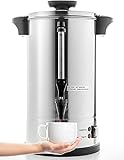
- ✪ COMMERCIAL USE--Brew 100 cups (16 Liter / 4.2 Gallon) in 60 minutes. Built for catering service, ideal for caterers, restaurants, churches, schools, health care facilities, offices, and shops.
- ✪ DURABLE--Food grade 304 S/S body resists dents and maintains lustre over time. High quality spigot dispenser is installed for heavy duty usage.
- ✪ Easy TO FILL-- Coffee level markings in the urn’s interior make measuring water A snap. And easy for you to know when it is time for another refill. ✪ NO PAPER FILTER NEEDED--304 stainless steel filter basket is durable and easy to clean, no paper filter needed.
- ✪ ETL CERTIFIED--All parts are ETL Intertek certified. Safety and quality certified. Use under 110-120 voltage. ✪ SAFE TO USE--Automatic shut-off and keep warm function. Includes an easy-to-read “heat and keep-warm” indicator light that illuminates whenever coffee is ready to serve.
- ✪ 2 YEARS NEW REPLACEMENT WARRANTY--Buy with confidence, as we offer 30-days refund/replacement and 2 years new replacement warranty.
Cleanliness/Descale Status
An urn needs to be clean. Coffee oils build up and go rancid, making your coffee taste bitter or stale. If you haven’t descaled it in a while, do that first. Mineral deposits can affect heating and brewing. A good scrub with soap and water, followed by a vinegar or descaling solution run, will do wonders.
Step-by-Step: How to Make Coffee in an Electric Urn
1. Clean the Urn: Make sure the urn, basket, and any spigots are thoroughly cleaned and rinsed.
- Good looks like: Sparkling clean, no residual coffee oils or smells.
- Mistake: Skipping this step. Avoid by: Always cleaning before brewing, especially if it’s been stored.
2. Add Water: Fill the urn with cold, fresh water to the desired level. Use the markings inside the urn or measure your water.
- Good looks like: Water level is correct, not overfilled.
- Mistake: Overfilling. Avoid by: Leaving enough space for coffee grounds and not exceeding the max fill line.
3. Place the Filter Basket: Insert the clean filter basket into the urn. Ensure it sits properly.
- Good looks like: Basket is seated securely.
- Mistake: Basket not seated correctly. Avoid by: Giving it a gentle push to confirm it’s in place.
4. Add Coffee Grounds: Measure and add your ground coffee to the filter basket. Use your chosen ratio.
- Good looks like: Even distribution of grounds in the basket.
- Mistake: Uneven tamping or packing. Avoid by: Gently shaking the basket to level the grounds, don’t press them down.
5. Assemble the Urn: Place the lid on the urn. Ensure it’s secure.
- Good looks like: Lid is firmly on.
- Mistake: Lid not fully closed. Avoid by: Double-checking that the lid locks or sits flush.
6. Plug In and Turn On: Connect the power cord and switch the urn to the “brew” or “on” setting.
- Good looks like: Indicator light comes on, or you hear the heating element engage.
- Mistake: Forgetting to plug it in or turn it on. Avoid by: Doing a quick visual check of the power indicator.
7. Brewing Process: The urn will heat the water and circulate it through the coffee grounds. This takes time.
- Good looks like: Steam and eventually coffee starting to drip into the main chamber.
- Mistake: Opening the lid during brewing. Avoid by: Letting the urn do its thing; resist the urge to peek.
8. Brew Completion: Most urns have an indicator light or switch to “keep warm” when brewing is done.
- Good looks like: The brewing cycle has finished, and the unit switches to warming.
- Mistake: Leaving it on “brew” too long. Avoid by: Paying attention to the indicator or timer; it can over-extract.
9. Keep Warm Setting: Once brewing is complete, the urn typically switches to a warming mode.
- Good looks like: Coffee is hot but not boiling.
- Mistake: Letting it sit on “keep warm” for hours. Avoid by: Serving the coffee within an hour or two for best taste.
10. Serve: Dispense coffee using the spigot.
- Good looks like: Hot, delicious coffee.
- Mistake: Not rinsing the spigot before the first pour. Avoid by: A quick rinse if any grounds might have entered the spigot area.
Common Mistakes (and What Happens If You Ignore Them)
| Mistake | What It Causes | Fix |
|---|---|---|
| Using stale coffee grounds | Weak, flat, or bitter coffee | Use freshly roasted beans, grind just before brewing. |
| Incorrect grind size (too fine) | Sludge in coffee, bitter taste, clogged filter | Use a medium grind; check your grinder settings. |
| Incorrect grind size (too coarse) | Water passes too quickly, weak, watery coffee | Use a medium grind; adjust grinder for a finer setting. |
| Not cleaning the urn properly | Rancid coffee oils, off-flavors, metallic taste | Descale regularly and wash all parts after each use. |
| Overfilling the urn with water | Coffee grounds can overflow into the brewing area | Stick to the max fill line; measure water carefully. |
| Leaving coffee on “brew” too long | Over-extraction, very bitter and harsh coffee | Switch to “keep warm” mode immediately after brewing cycle. |
| Using poor quality water | Off-flavors, dull coffee taste | Use filtered or bottled water if tap water tastes unpleasant. |
| Not measuring coffee-to-water ratio | Coffee too weak or too strong | Use a consistent ratio (e.g., 1 lb coffee per gallon water). |
| Not pre-heating the urn (in cold) | Slower brewing, potentially cooler coffee | If in a very cold environment, pre-heat with hot water first. |
| Leaving coffee on “keep warm” for hours | Coffee gets burnt and tastes stale | Serve within 1-2 hours; consider a thermal carafe for longer holds. |
Decision Rules (Simple If/Then)
- If your coffee tastes bitter, then check your grind size and brewing time because over-extraction is the usual culprit.
- If your coffee is weak, then check your coffee-to-water ratio and grind size because not enough coffee or water flowing too fast will cause this.
- If you see grounds in your cup, then check the filter basket and ensure it’s clean and properly seated because a loose or dirty filter lets grounds through.
- If your coffee has an off-flavor, then clean or descale your urn because old coffee oils or mineral buildup will taint the taste.
- If you’re brewing for a large event, then use a coarser grind than you might for a drip machine because urns often have longer contact times.
- If your tap water tastes bad, then use filtered water because good water is essential for good coffee.
- If the urn seems slow to heat, then check the power source and ensure it’s plugged in securely because a weak connection can slow things down.
- If you’re storing brewed coffee, then transfer it to a thermal carafe because leaving it on the urn’s “keep warm” for extended periods degrades flavor.
- If you’re unsure about the coffee-to-water ratio, then check the urn’s manual because manufacturers often provide specific recommendations.
- If your coffee tastes metallic, then it’s time to descale the urn because mineral deposits can leach into the brew.
- If the brewed coffee is not hot enough, then ensure the “keep warm” function is engaged and the urn is functioning correctly because the heating element might be failing.
FAQ
Q: How much coffee do I need for my urn?
A: A good starting point is about 1 pound of coffee for every gallon of water. Always check your urn’s manual for its specific capacity and recommendations.
Q: Can I use pre-ground coffee?
A: Yes, but freshly ground coffee will always give you the best flavor. If you use pre-ground, aim for a medium grind specifically for drip coffee makers.
Q: My urn has a metal filter. Do I need anything else?
A: Usually, no. The metal filter is designed to work on its own. Just make sure it’s clean and free of any old grounds or residue.
Q: How long does it take to brew a full urn?
A: It varies by urn size and model, but typically it can take anywhere from 30 to 60 minutes to brew a full batch.
Q: Is it okay to leave coffee in the urn overnight?
A: No, it’s not recommended. Coffee flavor degrades quickly once it’s brewed, especially when kept hot. It’s best to brew only what you’ll consume within a couple of hours.
Q: What’s the best way to clean an electric coffee urn?
A: After brewing, rinse all removable parts. For a deeper clean, use a mild detergent or a descaling solution (like vinegar and water) and run a brew cycle with it, followed by several rinses with clean water.
Q: Can I adjust the strength of the coffee in an urn?
A: Yes, you can adjust the coffee-to-water ratio. Use more coffee for a stronger brew, or less for a weaker one.
Q: Why does my coffee taste burnt?
A: This usually happens if the coffee has been left on the “brew” setting too long after brewing is complete, or if it’s been on the “keep warm” setting for an extended period.
What This Page Does Not Cover (and Where to Go Next)
- Specific brand comparisons or recommendations for electric urns. (Look for product reviews.)
- Advanced brewing techniques like pour-over or espresso. (Explore dedicated guides for those methods.)
- Detailed water chemistry and its impact on coffee extraction. (Research water filtration and coffee science.)
- Troubleshooting specific electronic malfunctions with your urn. (Consult your appliance manual or a repair technician.)