
Serving Coffee for Large Groups
Quick answer
- Use a large-capacity drip coffee maker or a commercial percolator.
- Pre-heat your serving vessels to keep coffee hot longer.
- Use a good quality, fresh coffee roast.
- Grind your beans just before brewing for maximum flavor.
- Measure your coffee and water accurately.
- Keep brewed coffee warm, but avoid boiling it.
- Offer a variety of creamers and sweeteners.
- Have plenty of cups, lids, and stirrers on hand.
Who this is for
- Anyone hosting a party, event, or large gathering.
- Offices looking to upgrade their breakroom coffee game.
- Community organizers needing to fuel volunteers.
What to check first
Brewer type and filter type
This is your starting point. Are you using a big drip machine, a pour-over setup for a crowd (ambitious!), or something else? Make sure your brewer is up to the task. For drip machines, check the filter size and type – paper or permanent? Make sure you have enough of the right kind. A jammed filter or a machine that can’t handle the volume is a buzzkill.
For large gatherings, a reliable large capacity coffee maker is essential to keep the coffee flowing smoothly.

- Gold tone, commercial style permanent filter
- Brew strength control allows you to select regular or bold coffee flavor
- Adjustable keep warm temperature control
- Shipping package material may vary
Water quality and temperature
Coffee is mostly water, so good water matters. If your tap water tastes off, your coffee will too. Consider filtered water, especially if you have hard water. For brewing, most drip machines handle temperature automatically. If you’re using a manual method for a large group (again, ambitious!), aim for water between 195-205°F. Too cool, and you get weak coffee; too hot, and you can scorch the grounds.
Grind size and coffee freshness
Freshly ground coffee is a game-changer. Buy whole beans and grind them right before you brew. For drip coffee, a medium grind is usually best. Too fine, and it can clog the filter; too coarse, and you’ll get weak coffee. Old coffee, even if freshly ground, won’t taste as vibrant. Look for a roast date on the bag.
To truly elevate the flavor for your guests, consider investing in a quality coffee bean grinder to ensure every cup is brewed with peak freshness.
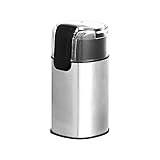
- Electric coffee bean grinder appliance for home use
- Can grind 30 grams/1 ounce of beans for drip coffee brewing in 10 seconds
- Grind coffee beans, herbs, spices, grains, nuts, and more
- Clear safety lid allows you to easily see the results in progress
- Heavy-duty stainless steel grind blade
Coffee-to-water ratio
This is key for balanced flavor. A good starting point for drip coffee is a 1:15 to 1:18 ratio of coffee to water. That means for every gram of coffee, use 15-18 grams of water. In US units, this often translates to about 2 tablespoons of coffee per 6 oz of water. It’s better to start here and adjust than to guess.
Cleanliness/descale status
Nobody wants bitter, stale coffee. Make sure your brewer is clean. Old coffee oils build up fast and go rancid. If you have a drip machine, run a descaling cycle if it’s been a while. Check the carafe, the filter basket, and any brewing head. A quick rinse can make a big difference.
Step-by-step (brew workflow)
1. Gather your gear. Get your large-capacity brewer, filters, fresh whole bean coffee, grinder, and a scale ready.
- What “good” looks like: Everything is within reach and clean. No last-minute scrambling.
- Common mistake: Forgetting a crucial piece of equipment or realizing your filters are the wrong size. Double-check everything before you start.
2. Start heating water (if needed). If your brewer heats its own water, just turn it on. If you’re using a manual method for a large batch, get your kettle going.
- What “good” looks like: Water is heating up to the ideal temperature range (195-205°F).
- Common mistake: Using water that’s too hot or too cold. This directly impacts extraction.
3. Measure your coffee beans. Use a scale for accuracy. For a 12-cup brewer, you might need around 8-10 oz of beans, depending on your ratio.
- What “good” looks like: Precise measurement. This ensures consistent flavor.
- Common mistake: Eyeballing it. This leads to weak or overly strong coffee, especially in large batches.
4. Grind your coffee. Grind just before brewing for peak freshness. Aim for a medium grind for most drip brewers.
- What “good” looks like: A consistent, medium grind. It should look like coarse sand.
- Common mistake: Grinding too fine or too coarse. Too fine clogs filters; too coarse leads to weak brew.
5. Prepare the brewer. Insert the correct filter into the basket. If using a paper filter, give it a quick rinse with hot water to remove papery taste and help it seat properly.
- What “good” looks like: The filter is seated correctly and rinsed.
- Common mistake: Forgetting to rinse the paper filter, leading to a papery aftertaste.
6. Add ground coffee to the filter. Distribute the grounds evenly in the basket.
- What “good” looks like: The coffee bed is flat and even.
- Common mistake: Dumping all the grounds in one spot. This leads to uneven extraction.
7. Start the brew cycle. Ensure the carafe or dispensing unit is in place.
- What “good” looks like: Water is flowing evenly over the grounds.
- Common mistake: Starting the brew without the carafe, or not securing it properly. Messy.
8. Monitor the brew. Watch the water flow. It should be steady and not overflow the basket.
- What “good” looks like: A consistent flow of dark, aromatic coffee filling the carafe.
- Common mistake: Overfilling the basket or using too fine a grind, causing the water to back up and overflow.
9. Pre-heat serving vessels (optional but recommended). While the coffee brews, fill thermoses or airpots with hot water to warm them up. Dump the water just before transferring the coffee.
- What “good” looks like: Warm serving vessels.
- Common mistake: Pouring hot coffee into cold carafes, which rapidly cools it down.
10. Serve immediately. Once brewing is complete, serve the coffee. If using a thermal carafe, transfer it carefully.
- What “good” looks like: Fresh, hot coffee ready for your guests.
- Common mistake: Letting brewed coffee sit on a hot plate for too long. It develops a burnt taste.
11. Maintain temperature. If your brewer has a warming plate, use it cautiously. Thermal carafes or airpots are better for keeping coffee hot without cooking it.
- What “good” looks like: Coffee stays hot and tastes good for an extended period.
- Common mistake: Relying solely on a hot plate for hours. It’s a recipe for burnt coffee.
12. Replenish as needed. Keep an eye on the coffee level and brew more batches if necessary.
- What “good” looks like: A continuous supply of hot coffee for everyone.
- Common mistake: Running out of coffee halfway through the event. Plan ahead.
Common mistakes (and what happens if you ignore them)
| Mistake | What it causes | Fix |
|---|---|---|
| Using stale, pre-ground coffee | Flat, dull flavor; lacks aroma. | Buy whole beans and grind them just before brewing. |
| Incorrect grind size | Under-extracted (weak, sour) or over-extracted (bitter). | Match grind size to brewer type (medium for drip). Check your grinder’s settings. |
| Improper coffee-to-water ratio | Too weak or too strong, unbalanced taste. | Use a scale or follow recommended scoop-to-water ratios (e.g., 2 tbsp per 6 oz water). |
| Using tap water with off-flavors | Taints the coffee with metallic or chemical notes. | Use filtered water or bottled water if your tap water quality is poor. |
| Not cleaning the brewer regularly | Bitter, rancid oils build up; stale taste. | Clean your brewer thoroughly after each use and descale periodically. |
| Brewing too much at once in a small brewer | Overflows, uneven extraction, weak coffee. | Use a brewer designed for the volume you need. Don’t exceed its capacity. |
| Letting coffee sit on a hot plate long | Develops a burnt, acrid, stale flavor. | Transfer to a thermal carafe or airpot after brewing. Use a warming plate only for short periods. |
| Using old or dirty filters | Off-flavors, clogs, or coffee grounds in the cup. | Always use fresh, clean filters of the correct size. Rinse paper filters. |
| Not pre-heating serving vessels | Coffee cools down too quickly. | Warm carafes and airpots with hot water before filling. |
| Incorrect water temperature | Under-extraction (sour) or over-extraction (bitter). | Most drip machines auto-regulate. For manual methods, aim for 195-205°F. |
Decision rules (simple if/then)
- If your guests are coffee connoisseurs, then use single-origin beans because they offer more nuanced flavors.
- If you’re serving coffee at an outdoor event, then use a thermal carafe or airpot because they keep coffee hot without a power source.
- If you have a lot of people who prefer decaf, then brew a separate decaf batch using the same ratio as your regular coffee because consistency is key.
- If you notice your coffee tastes weak, then check your coffee-to-water ratio and grind size because these are the most common culprits.
- If your coffee tastes bitter, then check your grind size and brew time; it might be over-extracted.
- If you’re unsure about water quality, then use filtered water because it eliminates potential off-flavors.
- If your brewer is slow or seems clogged, then it’s time to descale because mineral buildup is likely the issue.
- If you’re hosting a very large event (50+ people), then consider renting commercial coffee brewing equipment because it’s designed for high volume.
- If your guests are adding a lot of milk or cream, then a slightly stronger brew might be preferred because the additions can dilute the flavor.
- If you want to offer variety, then have both regular and decaf options available because not everyone drinks caffeine.
- If you’re serving coffee for a long duration, then plan to brew multiple pots because coffee quality degrades over time.
FAQ
What’s the best way to keep large amounts of coffee hot?
Thermal carafes or airpots are your best bet. They insulate the coffee and keep it hot for hours without needing electricity or a warming plate, which can scorch the coffee.
How much coffee do I need for a crowd?
A good rule of thumb is about 1.5 to 2 cups of coffee per person, assuming some people will have more than one cup. For a 12-cup brewer, that means brewing 2-3 pots for about 12-18 people. Scale up accordingly.
Should I use pre-ground coffee for a large group?
While convenient, pre-ground coffee loses its flavor and aroma much faster. For the best taste, always buy whole beans and grind them right before brewing, even for large batches.
Can I make coffee ahead of time?
You can brew coffee ahead of time, but it’s best to serve it within an hour or two. Beyond that, the flavor degrades. Use thermal carafes to keep it at its best for longer.
What if I don’t have a large-capacity coffee maker?
You can brew multiple pots in a standard drip maker. Alternatively, consider a large percolator or French presses if you’re comfortable with manual brewing for a crowd.
How do I avoid bitter coffee when brewing a lot?
Ensure your grind size is appropriate for your brewer, use fresh beans, don’t over-extract (e.g., by letting it brew too long or at too high a temperature), and crucially, don’t let the coffee sit on a hot plate for extended periods.
What’s the ideal coffee-to-water ratio for a crowd?
A common starting point for drip coffee is 1:15 to 1:18 (coffee to water by weight). In US customary units, this often works out to about 2 tablespoons of coffee grounds per 6 ounces of water. Adjust to taste.
How important is water quality for large batches?
It’s very important. Coffee is over 98% water, so if your tap water tastes bad, your coffee will too. Using filtered water can significantly improve the final taste, especially for large quantities where the difference is amplified.
What this page does NOT cover (and where to go next)
- Specific commercial coffee machine recommendations. (Look for reviews on brewing capacity and ease of use.)
- Advanced brewing techniques for large-scale manual methods like large batch pour-over. (Explore resources on batch brewing and volume scaling.)
- Detailed information on different coffee bean varietals and their flavor profiles. (Research coffee tasting notes and origins.)
- Maintenance and repair guides for specific coffee maker models. (Consult your brewer’s user manual or manufacturer’s website.)
- How to set up a full coffee bar with espresso machines and specialty drinks. (Search for guides on creating a coffee station.)