
Brewing For A Crowd: Coffee For 80 Cups
Quick answer
- Aim for about 5 pounds of whole bean coffee for 80 cups.
- Use a 1:15 coffee-to-water ratio as a solid starting point.
- For 80 cups (10 gallons), that’s roughly 128 oz of dry coffee grounds.
- Filter type matters – paper filters absorb more oils than metal.
- Water quality is key; filtered water makes a noticeable difference.
- Keep your brewing equipment clean for the best flavor.
- Freshly ground beans are a game-changer, even for big batches.
Who this is for
- Anyone hosting a large event, like a wedding, conference, or big family reunion.
- Coffee shop owners or managers needing to prep for peak hours.
- Community organizers preparing coffee for volunteer days or meetings.
What to check first
Brewer type and filter type
Are you using a commercial drip machine, a massive French press, or something else? The volume and style of your brewer dictate how you’ll approach the grind and extraction. Paper filters are common for drip, but metal filters are an option too. Paper filters can trap more fines and oils, potentially requiring a slightly coarser grind. Metal filters let more through, which can add body but also sediment.
Water quality and temperature
Tap water can have off-flavors that mess with your coffee. If your water tastes funky, your coffee will too. A simple water filter pitcher can do wonders. For brewing, aim for water between 195°F and 205°F. Too cool, and you get weak, sour coffee. Too hot, and you risk scorching the grounds, leading to bitter brews.
Grind size and coffee freshness
This is HUGE. For a big batch, you’re likely using a drip machine. That usually means a medium grind, like coarse sand. Too fine, and you’ll clog your filter and get over-extracted, bitter coffee. Too coarse, and the water runs through too fast, giving you weak, watery coffee. And please, use fresh beans. Stale coffee is just sad.
Coffee-to-water ratio
This is the heart of good coffee. A common starting point is 1:15 – one part coffee to fifteen parts water by weight. For 80 cups, assuming a standard 8 oz cup, you’re looking at 640 oz of water. That’s 5 gallons of water. Using that 1:15 ratio, you’d need about 42.6 oz of coffee grounds (640 oz / 15). If you’re measuring by volume, it’s roughly 128 oz of whole beans before grinding. Always check your brewer’s recommendations too.
Cleanliness/descale status
A dirty brewer is a flavor killer. Scale buildup from hard water can clog your machine and impart mineral tastes. If you haven’t descaled your brewer in a while, do it. Seriously. It makes a massive difference. A clean machine means clean coffee.
Step-by-step (brew workflow)
1. Gather your beans: Get good quality, whole bean coffee. For 80 cups (10 gallons), you’ll need around 5 pounds of beans.
- What “good” looks like: Beans that smell fresh, not dusty or stale.
- Common mistake: Buying pre-ground coffee for a big batch. It loses flavor fast. Avoid this by buying whole beans.
For 80 cups (10 gallons), you’ll need around 5 pounds of beans. Consider a high-quality bulk whole bean coffee to ensure freshness and flavor for your large event.
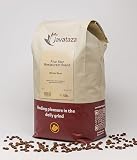
- Fairly Traded. With employees and partners on the ground in Central America, we are able to be a full farm-to-cup coffee company. This enables quality control and best farming practices while ensuring that the farmers are getting paid well for their product. We are sold on this direct trade, farm to cup coffee model because it guarantees long-term sustainability for us and the farmer.
- 100% Arabica Beans. Arabica provide our coffee with superior flavor and bold aroma. We never skimp on the quality of the beans that we use.
- Shade Grown. Shade grown coffee has long been known to be a method of sustainably producing coffee within the existing ecosystem. Shade trees provide lots of nutrients to the coffee plants and surrounding soil. The shade trees have the added benefit of protecting the coffee plants from frost.
- Single Origin Costa Rican Coffee. We have long term relationships with all of our Costa Rican Farmers. We are motivated to see that all farmers are cared for and will be sustainably farming in the long term.
- 100% Natural Coffee | Non GMO, chemical and additive free.
2. Measure your water: You need about 10 gallons of water for 80 standard 8 oz cups. Use filtered water if possible.
- What “good” looks like: Clean, odor-free water.
- Common mistake: Using tap water with strong chlorine or mineral tastes. Your coffee will taste like your faucet.
3. Heat your water: Get your water to the ideal brewing temperature, 195°F to 205°F.
- What “good” looks like: A thermometer reading within the target range.
- Common mistake: Letting the water boil and then trying to guess when it’s cooled down. This can lead to inconsistent temperatures.
4. Grind your coffee: Grind your 5 pounds of beans to a medium consistency, like coarse sand, for drip brewing. Do this right before brewing.
- What “good” looks like: Evenly sized particles.
- Common mistake: Grinding too fine or too coarse. Too fine clogs, too coarse under-extracts. Aim for that medium consistency.
5. Prepare your brewer: Ensure your large-format brewer is clean and the filter is properly seated.
- What “good” looks like: A clean brew basket and a filter that fits snugly.
- Common mistake: Forgetting to rinse paper filters, which can leave a papery taste. Give them a quick rinse with hot water.
6. Add coffee grounds: Carefully add your measured coffee grounds into the filter basket. Distribute them evenly.
- What “good” looks like: Grounds spread out, not piled up on one side.
- Common mistake: Tamping down the grounds too hard. This can create channels for water to flow through unevenly.
7. Start the brew cycle: Pour the hot water over the grounds according to your brewer’s instructions. For automatic brewers, just hit start.
- What “good” looks like: Water saturating the grounds evenly.
- Common mistake: Pouring water too quickly, causing grounds to overflow or creating uneven extraction.
8. Monitor the brew: Watch the coffee drip into the carafe. The flow should be steady.
- What “good” looks like: A consistent stream of dark coffee.
- Common mistake: Leaving the machine unattended for too long if it requires manual water addition.
9. Let it finish: Allow the entire brew cycle to complete. Don’t pull the carafe too early.
- What “good” looks like: The brewer stops dripping, and the carafe is full.
- Common mistake: Stopping the brew prematurely, resulting in a weak first half and a bitter second half.
10. Serve promptly: Coffee tastes best fresh. Serve it as soon as it’s brewed.
- What “good” looks like: Hot, aromatic coffee.
- Common mistake: Letting coffee sit on a hot plate for hours. It gets burnt and bitter.
Common mistakes (and what happens if you ignore them)
| Mistake | What it causes | Fix |
|---|---|---|
| Using stale or pre-ground coffee | Flat, dull flavor; lack of aroma; bitter or sour notes. | Buy whole beans, grind right before brewing. Store beans in an airtight container. |
| Incorrect grind size | Over-extraction (bitter) or under-extraction (weak, sour). | Match grind size to brewer type. For drip, aim for medium (coarse sand). |
| Wrong coffee-to-water ratio | Coffee is too weak or too strong/bitter. | Start with 1:15 ratio and adjust. Measure by weight for accuracy. |
| Poor water quality | Off-flavors (chlorine, minerals) masking coffee’s natural taste. | Use filtered water. Avoid distilled water (lacks minerals needed for extraction). |
| Water temperature too low | Under-extracted coffee: weak, sour, thin body. | Heat water to 195-205°F. Use a thermometer. |
| Water temperature too high | Over-extracted coffee: bitter, burnt, harsh taste. | Let boiling water sit for 30-60 seconds before brewing. |
| Dirty brewer or filter basket | Burnt, stale, or off-flavors; metallic taste. | Clean your brewer thoroughly after each use. Descale regularly. |
| Uneven coffee bed in the filter | Water channels through, leading to uneven extraction (some grounds over, some under). | Gently shake the grounds to level them before brewing. Avoid tamping. |
| Letting coffee sit on a hot plate too long | Coffee becomes burnt, bitter, and develops a “stewed” taste. | Brew in smaller batches if possible, or use a thermal carafe. Serve fresh. |
| Using too much coffee | Bitter, overpowering, and potentially muddy taste. | Stick to your measured ratio. For 80 cups, 5 lbs is a good starting point. |
| Using too little coffee | Weak, watery, and flavorless coffee. | Use your ratio consistently. For 80 cups, you need adequate grounds. |
| Rinsing paper filters | Can leave a papery taste if not done properly. | Rinse paper filters with hot water before adding grounds to remove papery residue. |
Decision rules (simple if/then)
- If your coffee tastes bitter, then try a coarser grind because the water is extracting too much from the grounds.
- If your coffee tastes sour or weak, then try a finer grind because the water is running through too fast.
- If your coffee tastes burnt, then your water temperature is likely too high because excessive heat scorches the grounds.
- If your coffee tastes flat or stale, then your beans are probably old or not freshly ground because aroma and flavor degrade quickly.
- If you taste chlorine or mineral notes, then use filtered water because tap water impurities are affecting the brew.
- If your brew time is unusually fast (under 4 minutes for a standard drip batch), then your grind is likely too coarse because water passes through too easily.
- If your brew time is very slow or the machine clogs, then your grind is likely too fine because the grounds are too dense.
- If the coffee tastes “off” and you can’t pinpoint why, then clean your brewer thoroughly because residue is a common culprit.
- If you’re using a metal filter and get sediment in your cup, then a slightly finer grind might help, or consider a different filter type.
- If your coffee is consistently too strong, then reduce the amount of coffee grounds or increase the water slightly.
- If your coffee is consistently too weak, then increase the amount of coffee grounds or decrease the water slightly.
- If your coffee has a papery taste, then ensure you rinsed your paper filter thoroughly before brewing.
FAQ
How many pounds of coffee do I need for 80 cups?
For 80 standard 8 oz cups, you’ll typically need around 5 pounds (80 oz) of whole bean coffee. This is based on a common 1:15 coffee-to-water ratio.
What’s the best ratio for a large batch?
A 1:15 coffee-to-water ratio by weight is a great starting point for most brewing methods. For 80 cups (10 gallons or 1280 oz water), this means about 85.3 oz of coffee grounds, which is roughly 5.3 pounds of beans before grinding. You can adjust slightly based on preference.
Should I grind all 5 pounds at once?
Ideally, you should grind your coffee as close to brewing time as possible. For such a large batch, you might need to grind in batches depending on your grinder’s capacity. However, avoid grinding hours or days in advance.
How do I keep 80 cups of coffee hot?
For large quantities, thermal carafes or dedicated coffee urns are your best bet. Avoid leaving coffee on a standard hot plate for extended periods, as it can quickly become burnt and bitter.
What if my brewer can’t handle 5 pounds of coffee?
If your brewer isn’t designed for such large volumes, you’ll need to brew in multiple smaller batches. Plan your brewing schedule accordingly to have fresh coffee ready when needed.
Is filtered water really that important for big batches?
Yes, absolutely. When brewing large volumes, any off-flavors from your tap water will be amplified. Filtered water ensures the coffee’s natural flavors shine through.
How can I make sure the coffee is evenly extracted in a large batch?
Ensure your grounds are evenly distributed in the filter basket and that the water saturates them uniformly. For manual pour-overs, use a controlled, circular pouring motion.
What’s the ideal temperature for brewing 80 cups?
The ideal water temperature remains the same as for smaller batches: 195°F to 205°F. This range ensures proper extraction without scorching the coffee.
What this page does NOT cover (and where to go next)
- Specific commercial brewer models and their unique operating instructions. (Check your brewer’s manual.)
- Advanced brewing techniques like blooming for large batches. (Look into techniques for large-format pour-overs or immersion methods.)
- Detailed water chemistry analysis and mineral adjustments. (Explore water guides for coffee enthusiasts.)
- The impact of different roast levels on large-batch brewing. (Research roast profiles and their flavor characteristics.)
- Troubleshooting specific brewing equipment malfunctions. (Consult the manufacturer’s support or a qualified technician.)