
Simple Guide to Making Green Coffee
Quick answer
- Green coffee beans are unroasted coffee beans.
- You can buy them online or at specialty stores.
- Roasting is the key step to unlocking flavor.
- You’ll need to roast them yourself for that classic coffee taste.
- Grinding roasted beans and brewing is like regular coffee.
- Green coffee extract is different; it’s a supplement, not for brewing.
Who this is for
- Home roasters looking to experiment with raw beans.
- Coffee enthusiasts curious about the roasting process.
- Anyone wanting to understand what “green coffee” really means.
What to check first
Green Coffee Bean Source
Make sure you’re getting actual green coffee beans, not green coffee extract. These are raw, unroasted seeds. They’ll look like small, hard, pale green or yellowish beans. If they look like powder or capsules, that’s extract.
Bean Quality
Look for beans that are relatively uniform in size and color. Avoid beans that are broken, dusty, or have any signs of mold. Freshness matters, even for unroasted beans.
Roasting Equipment
You’ll need a way to roast them. This could be a dedicated home coffee roaster, a cast-iron skillet on the stove, or even a hot air popcorn popper (dedicated for coffee only, mind you).
Grinding Tools
Once roasted, you’ll need a grinder. A burr grinder is best for consistent results.
Once roasted, you’ll need a grinder. A burr grinder is best for consistent results, and investing in a quality one will make a significant difference in your final cup.
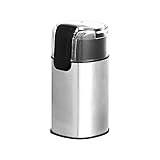
- Electric coffee bean grinder appliance for home use
- Can grind 30 grams/1 ounce of beans for drip coffee brewing in 10 seconds
- Grind coffee beans, herbs, spices, grains, nuts, and more
- Clear safety lid allows you to easily see the results in progress
- Heavy-duty stainless steel grind blade
Brewing Setup
Whatever you normally use to brew coffee will work. Drip, pour-over, French press – it’s all the same once the beans are roasted and ground.
Step-by-step (how to make green coffee taste like coffee)
This workflow assumes you’ve got your green coffee beans and are ready to roast them. This is where the magic happens.
1. Prepare your roasting space: Set up your roaster or skillet in a well-ventilated area. Roasting produces smoke. Seriously, open a window or turn on the fan.
- What “good” looks like: You’re ready to go, with ventilation sorted.
- Common mistake: Forgetting ventilation. You’ll end up with a smoky house and maybe an annoyed neighbor.
2. Preheat your roaster/skillet: Get it to the right temperature. For most methods, starting around 400-450°F (200-230°C) is a good ballpark. Check your specific roaster’s manual.
- What “good” looks like: The equipment is hot and ready.
- Common mistake: Not preheating. This leads to uneven roasting and beans that bake instead of roast.
3. Add green beans: Pour your desired amount of green beans into the preheated roaster or skillet. Don’t overcrowd. A single layer is ideal.
- What “good” looks like: Beans are spread out, ready to tumble or stir.
- Common mistake: Overfilling the roaster. This traps moisture and prevents even heat distribution.
4. Start roasting and agitating: Begin agitating the beans immediately. If using a skillet, stir constantly. If using a roaster, ensure it’s tumbling.
- What “good” looks like: Constant movement, preventing scorching.
- Common mistake: Letting beans sit still. This is how you get burnt spots.
5. Listen for first crack: Around 350-400°F (175-205°C), you’ll hear a popping sound, like popcorn. This is “first crack.” The beans start to expand and turn a light brown.
- What “good” looks like: Audible popping, beans visibly changing color.
- Common mistake: Ignoring first crack. You’re missing a key stage in roast development.
6. Continue roasting and monitoring color: After first crack, the beans will darken rapidly. You’re looking for a color between light cinnamon and medium brown, depending on your preference. Keep stirring/tumbling.
- What “good” looks like: Consistent browning, no black spots.
- Common mistake: Rushing this stage. The flavor develops significantly in the minutes after first crack.
7. Listen for second crack (optional): Some roasters aim for “second crack,” a more rapid, intense popping sound. This usually indicates a darker roast, closer to what you find in stores. Be careful, it’s easy to go from dark roast to charcoal very quickly here.
- What “good” looks like: A more aggressive popping sound, beans are a deeper brown.
- Common mistake: Roasting past second crack without stopping. This results in bitter, burnt coffee.
8. End the roast: When you reach your desired color and roast level, stop the heat immediately.
- What “good” looks like: You’ve pulled the beans off the heat at the right moment.
- Common mistake: Delaying the stop. The beans continue to roast from residual heat.
9. Cool the beans rapidly: This is crucial. Dump the hot beans onto a cooling tray or a large metal colander. Fan them or stir them vigorously to cool them down fast.
- What “good” looks like: Beans are cool to the touch within a few minutes.
- Common mistake: Not cooling fast enough. This allows the roast to continue and can lead to unevenness.
10. Degas the beans: Let the roasted beans rest for at least 12-24 hours before grinding and brewing. This allows CO2 to escape, which improves flavor.
- What “good” looks like: Beans have rested, ready for grinding.
- Common mistake: Grinding immediately. The coffee will taste flat or harsh.
11. Grind the roasted beans: Use your burr grinder to get the size appropriate for your brewing method.
- What “good” looks like: Consistent grind size.
- Common mistake: Using a blade grinder. This produces inconsistent particle sizes, leading to uneven extraction.
12. Brew your coffee: Use your preferred method and enjoy the fruits of your labor.
- What “good” looks like: A delicious cup of coffee.
- Common mistake: Using stale water or incorrect coffee-to-water ratios. These affect the final taste regardless of how well you roasted.
Common mistakes (and what happens if you ignore them)
| Mistake | What it causes | Fix |
|---|---|---|
| Using green coffee <em>extract</em> for brewing | You won’t get coffee flavor; it’s a supplement. | Buy actual green coffee <em>beans</em> for roasting and brewing. |
| Poor ventilation during roasting | Smoky house, potential fire alarm nuisance, unpleasant lingering odors. | Roast in a well-ventilated area, use a range hood, or roast outdoors if possible. |
| Overcrowding the roaster | Uneven roasting, beans steam instead of roast, leading to dull flavor. | Roast in batches that allow beans to move freely. A single layer is often best. |
| Inconsistent agitation/stirring | Scorched beans (burnt spots), underdeveloped beans (pale spots). | Stir constantly or ensure your roaster tumbles properly throughout the entire roast cycle. |
| Roasting too dark | Bitter, ashy, burnt taste. Loss of original coffee origin characteristics. | Stop the roast at your desired color. Learn to recognize the signs of over-roasting, especially around second crack. |
| Roasting too light | Sour, grassy, underdeveloped taste. Lacks sweetness and body. | Continue roasting past first crack until you reach a pleasant light to medium brown. |
| Not cooling beans quickly enough | Beans continue to roast, leading to unevenness and potentially over-roasting. | Dump beans onto a cooling tray and fan them vigorously immediately after stopping the roast. |
| Grinding un-degassed beans | Coffee tastes flat, less aromatic, and can be harsh. | Let roasted beans rest for at least 12-24 hours (or longer for darker roasts) before grinding. |
| Using stale water | Flat, lifeless coffee flavor, even with perfectly roasted beans. | Always use fresh, filtered water for brewing. |
| Incorrect coffee-to-water ratio | Weak and watery coffee (too little coffee) or overly strong and bitter (too much). | Aim for a starting ratio of 1:15 to 1:17 (e.g., 1 gram of coffee to 15-17 grams of water). Adjust to your taste. |
| Using a blade grinder | Inconsistent grind size, leading to uneven extraction and poor taste. | Invest in a burr grinder for uniform particle size, which is crucial for good extraction. |
| Dirty brewing equipment | Off-flavors, stale taste, potential for mold growth. | Clean your brewer and grinder regularly. Descale your coffee maker as recommended by the manufacturer. |
Decision rules (simple if/then)
- If your roasted coffee tastes sour, then you likely roasted it too light because the acids haven’t been balanced by roast development. Try roasting a bit longer, aiming for a medium brown.
- If your roasted coffee tastes bitter or burnt, then you likely roasted it too dark because the sugars have caramelized too much and started to char. Stop the roast earlier next time.
- If your brewed coffee tastes weak, then your coffee-to-water ratio is likely too low (not enough coffee). Increase the amount of coffee grounds.
- If your brewed coffee tastes too strong or bitter, then your coffee-to-water ratio is likely too high (too much coffee) or your grind is too fine. Adjust your ratio or grind size.
- If you hear a distinct popping sound during roasting, then you are hearing “first crack,” a key stage where beans begin to develop flavor. Pay attention to the color and time after this.
- If you smell a strong burning odor during roasting, then your beans are likely scorching. Reduce the heat or agitate more vigorously.
- If your brewed coffee tastes bland or flat, then your beans might be too old, or you might need to degas them longer after roasting. Ensure you’re using fresh beans and letting them rest.
- If your brewed coffee has an unpleasant grassy flavor, then your beans were likely roasted too light. Extend the roast time for better sweetness and body.
- If your coffee has uneven brown spots and pale spots after roasting, then your agitation was likely inconsistent. Ensure constant movement of beans during the roast.
- If your brewed coffee tastes muddy or has a lot of fines, then your grind size is likely too fine or inconsistent. Check your grinder settings and consider a burr grinder.
- If your brewed coffee tastes like old coffee grounds even with fresh beans, then your brewing equipment might be dirty. Clean your brewer thoroughly.
FAQ
What exactly is “green coffee”?
Green coffee refers to unroasted coffee beans. They are the raw seeds of the coffee cherry before they undergo the roasting process that develops their familiar aroma and flavor.
Can I just brew unroasted green coffee beans?
No, you can’t brew unroasted green coffee beans and expect them to taste like typical coffee. They are very hard, don’t dissolve well, and lack the developed flavors from roasting. They’ll taste grassy and unpleasant.
What’s the difference between green coffee beans and green coffee extract?
Green coffee beans are the raw seeds you roast. Green coffee extract is a processed product, often used as a dietary supplement, made from these beans. You cannot brew extract to make coffee.
How long does it take to roast green coffee beans?
The roasting process typically takes between 8 to 15 minutes, depending on your method, equipment, and desired roast level. It’s a quick process once the beans are in the heat.
What temperature should I roast green coffee to?
Roasting usually starts around 400-450°F (200-230°C). The beans will reach first crack around 350-400°F (175-205°C). The final temperature depends on your target roast level, from light to dark.
How do I know when my coffee is roasted enough?
You’ll hear “first crack” (like popcorn) and see the beans turn from pale green to light brown. For darker roasts, you might hear “second crack.” Observe the color change; aim for light to medium brown for most home roasts.
How much coffee do I need to roast at once?
It’s best to roast in small batches. Overcrowding prevents even roasting. Aim for a single layer of beans if possible, or follow your roaster’s specific capacity guidelines.
What should I do with the chaff?
Chaff is the papery skin that sheds from the bean during roasting. It’s flammable and can smell bad if burned. Collect it as it falls away and dispose of it safely.
How long do roasted green coffee beans last?
Once roasted and degassed for 1-2 days, coffee beans are best used within 2-4 weeks for optimal flavor. Store them in an airtight container away from light and heat.
What this page does NOT cover (and where to go next)
- Specific roasting profiles for different bean origins. (Explore origin guides.)
- Advanced roasting techniques like fluid-bed vs. drum roasting. (Look into specialized roasting forums.)
- The science behind coffee bean chemistry during roasting. (Check out coffee science resources.)
- How to identify different coffee varietals and their inherent flavors. (Deep dive into coffee varietal guides.)
- Commercial roasting equipment and operations. (Consult industry publications.)