
Coffee Alternatives From Date Seeds
Quick Answer: Can You Make Coffee From Date Seeds?
- Yes, you can make a coffee-like beverage from date seeds.
- It’s a unique alternative, not a direct coffee replacement.
- The flavor is often described as nutty, earthy, and slightly bitter.
- Roasting the seeds is a crucial step to unlock flavor and make them grindable.
- It’s a great way to reduce waste and explore new tastes.
- Don’t expect the caffeine kick of traditional coffee.
Key Terms and Definitions: Date Seed Brew
- Date Seeds: The hard pits found inside dates, often discarded.
- Roasting: Heating the seeds to develop flavor and texture, similar to coffee beans.
- Grinding: Breaking down the roasted seeds into a powder for brewing.
- Infusion: The process of steeping ground seeds in hot water to extract flavor.
- Decaffeinated: Lacking caffeine, which date seed brew naturally is.
- Nutty Flavor: A common descriptor for the taste, reminiscent of roasted nuts.
- Earthy Notes: Flavors that evoke the smell of soil or damp earth.
- Beverage: A drink, in this case, a coffee alternative.
- Sustainability: Using all parts of a food source to minimize waste.
- Brewing Method: The technique used to prepare the drink, like pour-over or French press.
How Date Seed Brew Works
- It starts with collecting and cleaning the seeds from ripe dates.
- The seeds are then thoroughly dried. This is important.
- Next, they are roasted in an oven or skillet until fragrant and darker. Think dark chocolate color, but be careful not to burn them.
- Once cooled, the roasted seeds are ground into a coarse powder. A coffee grinder works fine.
- This ground material is then brewed with hot water.
- The hot water extracts the soluble compounds, creating the beverage.
- It’s an infusion process, much like making tea.
- The resulting liquid is strained to remove the grounds.
Once cooled, the roasted seeds are ground into a coarse powder. A coffee grinder works fine, but a dedicated spice grinder can make quick work of even the toughest roasted seeds for the perfect consistency.
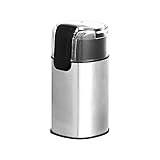
- Electric coffee bean grinder appliance for home use
- Can grind 30 grams/1 ounce of beans for drip coffee brewing in 10 seconds
- Grind coffee beans, herbs, spices, grains, nuts, and more
- Clear safety lid allows you to easily see the results in progress
- Heavy-duty stainless steel grind blade
What Affects the Date Seed Brew Result
- Seed Quality: Freshness and type of dates can subtly influence the flavor.
- Drying Time: Incomplete drying can lead to off-flavors during roasting.
- Roasting Temperature: Too low, and you won’t get much flavor. Too high, and they’ll taste burnt. Aim for a medium-dark roast.
- Roasting Duration: How long you roast them matters. Experimentation is key.
- Grind Size: Too fine, and it can be muddy. Too coarse, and the flavor might be weak. Medium-fine is a good starting point.
- Water Temperature: Similar to coffee, water that’s too hot can scorch the grounds. Aim for around 195-205°F.
- Brewing Ratio: The amount of grounds to water. Adjust to your taste preference.
- Brewing Time: How long the grounds steep in the water. Longer steeping usually means stronger flavor.
- Water Quality: Clean, filtered water makes a difference in any brew.
- Additives: Milk, sugar, or spices can change the final taste profile significantly.
- Equipment: The brewing device itself can influence the extraction.
- Personal Preference: Ultimately, what tastes good is subjective.
Pros, Cons, and When It Matters
- Pro: Sustainable: Uses a part of the date that’s usually thrown away. Good for the planet.
- Con: Not Coffee: Lacks caffeine and the distinct coffee flavor profile. Manage expectations.
- Pro: Unique Flavor: Offers a nutty, earthy, and slightly bitter taste that some people enjoy.
- Con: Labor Intensive: Requires several steps: cleaning, drying, roasting, and grinding. Takes time.
- Pro: Decaffeinated: A good option for those avoiding caffeine.
- Con: Flavor Variability: The taste can vary depending on how you prepare it.
- Pro: Cost-Effective: Seeds are free if you’re already eating dates.
- Con: Grind Consistency: Getting a consistent grind can be tricky.
- Pro: Novelty: It’s a fun conversation starter and a way to try something new.
- Con: Not Widely Available: You have to make it yourself.
- Pro: Allergy-Friendly: Generally free from common allergens found in some coffee substitutes.
- Con: Potential for Bitterness: If not roasted or brewed correctly, it can be quite bitter.
Common Misconceptions About Date Seed Brew
- Myth: It tastes exactly like coffee. It’s a coffee alternative, not a clone. The flavor is different.
- Myth: You can just grind fresh date seeds and brew them. Nope. Roasting is essential for flavor and texture.
- Myth: It will give you an energy boost. Date seeds are naturally caffeine-free.
- Myth: All date seeds are the same. While similar, the variety of date might offer subtle flavor differences.
- Myth: It’s difficult to roast them. It’s pretty straightforward with an oven or a pan. Just watch them closely.
- Myth: You need special equipment. A standard coffee grinder and your preferred brewing method will work.
- Myth: It’s inherently bitter. While it can be, proper roasting and brewing minimize bitterness.
- Myth: It’s a new invention. People have been experimenting with seed and grain brews for ages.
- Myth: It’s not safe to consume. Properly prepared date seed brew is generally safe for most people.
- Myth: It’s only for people who dislike coffee. It’s for anyone looking for a unique, caffeine-free beverage.
FAQ: Your Date Seed Brew Questions Answered
Q: How do I prepare date seeds for brewing?
First, wash them well. Then, let them dry completely. This might take a few days. Ensure they are brittle before roasting.
Q: What’s the best way to roast date seeds?
You can roast them in an oven at around 350°F (175°C) for 15-20 minutes, or in a dry skillet over medium heat. Stir frequently to prevent burning. They should turn a deep brown.
Q: How coarse should I grind the roasted seeds?
Aim for a grind similar to coarse sea salt or slightly finer, like for a French press. Too fine can clog your brewer or create sediment.
Q: What brewing methods work best for date seed brew?
A French press or a pour-over method are good choices. You can also try it in a drip coffee maker, though adjust the grind and filter as needed.
Q: How much date seed grounds should I use?
Start with a ratio similar to coffee, perhaps 1-2 tablespoons of grounds per 6 oz of water. Adjust based on how strong you like your brew.
Q: Can I add milk or sugar?
Absolutely. Date seed brew takes well to additions like milk, cream, honey, or spices. It can make it even more enjoyable.
Q: How long does the roasted date seed powder last?
Store roasted and ground seeds in an airtight container in a cool, dark place. It should keep for a few weeks, but flavor is best when fresh.
Q: Are there any health benefits?
Date seeds contain fiber and some antioxidants. However, research is limited compared to coffee. It’s primarily a beverage for taste and sustainability.
Q: Can I use them if they are not fully dried?
It’s best to ensure they are thoroughly dry. Damp seeds can steam rather than roast, leading to a less desirable flavor and potentially mold issues.
Q: What if my brew tastes burnt?
This usually means the seeds were roasted too hot or for too long. Try a lower temperature or shorter roasting time next time.
What This Page Does NOT Cover (and Where to Go Next)
- Specific health claims or detailed nutritional breakdowns of date seeds. (Look for general nutrition resources.)
- Precise roasting profiles for every date variety. (Experimentation is your best bet here.)
- Comparisons to other coffee substitutes like chicory or dandelion root. (Explore those ingredients separately.)
- Detailed troubleshooting for advanced brewing equipment. (Consult your brewer’s manual.)
- Information on sourcing dates or date seeds in bulk. (Check specialty food suppliers or local markets.)