
Authentic Cowboy Coffee On The Stove Recipe
Quick answer
- Use coarse-ground coffee. Freshly ground is best.
- Boil water, then let it cool slightly.
- Add coffee to the hot water. Stir once.
- Let it steep for about 4 minutes.
- Settle the grounds with a splash of cold water.
- Pour carefully. Don’t agitate the grounds.
Who this is for
- Campers and outdoor enthusiasts who want a simple, strong cup.
- Anyone looking for a no-fuss coffee method that requires minimal gear.
- Folks who appreciate a rustic, traditional brewing experience.
For those who love the outdoors, a durable camping coffee maker is perfect for brewing this simple, strong cup.

- Flavor, Hate boring, cold coffee? We do too! Our huge capacity coffee press is vacuum-layered and double-filtered to bring you a flavor more full than your email inbox. Oh yeah, you even get a mini canister for storing your next caffeine hit
- Keep it steamy, the stainless steel french press keeps coffee (or tea) warm 60 minutes longer than glass coffee presses! It also has a cool-touch handle and a spring-loaded, double-screen filter that will deliver one mean and clean cup of joe
- Professional grade in every way, This insulated french press brewer is tough, durable and rust proof. Unlike glass, it won’t break when you drop it (but your floor might need some attention). Your search for coffee that makes you smile ends here
- Unique & next level design, The coffee french press is uniquely designed to keep sediment out of your cup while letting the delicious coffee oils into it. This results in a richer, full-bodied brew that will leave you grinning from ear to ear
- A thoughtful gift, Do you know someone who camps a lot or spends their mornings out on the lake? This camping french press is a practical device that can brew them up some camping coffee and provide what few gifts can... convenience
What to check first
Brewer type and filter type
This method is all about the pot. A simple saucepan or a dedicated cowboy coffee pot works. No paper filters needed here, friend. The grounds settle to the bottom.
Water quality and temperature
Good water makes good coffee. If your tap water tastes off, use filtered. For cowboy coffee, you want boiling water, but let it sit for about 30 seconds after it hits a rolling boil. Too hot, and you scorch the grounds.
Grind size and coffee freshness
This is key. You need a coarse grind. Think sea salt or breadcrumbs. Too fine, and you’ll have mud in your cup. Freshly roasted beans, ground right before brewing, will always taste better. Don’t skimp here.
This is key. You need a coarse grind, like this excellent coarse ground coffee, to avoid a muddy cup.
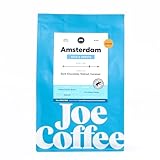
- Rich, sweet, and comforting, Amsterdam is the perfect drip coffee option for those who seek a deeper roast profile.
- We select the components for this coffee for their ability to stand up to a more developed roast, without ever tasting over-roasted or smoky. Instead, we pull out classic notes of chocolate, nut, and toffee.
- One 12 ounce bag
Coffee-to-water ratio
A good starting point is about 2 tablespoons of coffee per 6 ounces of water. You can adjust this to your taste. More coffee means a stronger brew. Less means it’ll be weaker. Experiment to find your sweet spot.
Cleanliness/descale status
Make sure your pot is clean. Old coffee oils can turn your brew bitter. If you use a pot regularly, give it a good scrub. Descaling isn’t usually an issue with simple pots, but cleanliness is next to godliness, even in the backcountry.
Step-by-step (how to make cowboy coffee on the stove)
1. Heat the water: Pour your desired amount of water into a saucepan or coffee pot. Heat it over your stove or campfire until it reaches a rolling boil.
- What “good” looks like: Vigorous bubbles and steam.
- Common mistake: Letting it boil for too long, which can over-extract the coffee later. Remove from heat as soon as it boils.
2. Let it cool slightly: Once boiling, remove the pot from the direct heat. Let it sit for about 30 seconds to a minute.
- What “good” looks like: The most intense bubbling has subsided, but it’s still very hot.
- Common mistake: Adding coffee to water that’s still at a full, aggressive boil. This can scald the grounds and make your coffee taste burnt.
3. Add the coffee: Measure your coarse-ground coffee and add it directly to the hot water.
- What “good” looks like: The grounds float on top initially.
- Common mistake: Adding too much coffee. Start with the recommended ratio and adjust later.
4. Stir once: Give the coffee and water a single, gentle stir. Just enough to make sure all the grounds are wet.
- What “good” looks like: All the coffee grounds are submerged.
- Common mistake: Stirring too much or too vigorously. This can break up the grounds and make them harder to settle.
5. Steep: Let the coffee steep, undisturbed, for about 4 minutes.
- What “good” looks like: The coffee is brewing, and you can see the color deepening.
- Common mistake: Steeping for too short or too long. Too short means weak coffee. Too long can lead to bitterness.
6. Settle the grounds: After steeping, add a small splash of cold water (a tablespoon or two) to the pot.
- What “good” looks like: The grounds start to sink to the bottom.
- Common mistake: Adding too much cold water, which can cool your coffee down too much.
7. Let it settle: Allow the grounds to settle for another minute or two.
- What “good” looks like: Most of the grounds have sunk.
- Common mistake: Pouring too soon. Patience is a virtue, especially with coffee.
8. Pour carefully: Gently tilt the pot and pour the coffee into your mug. Try to leave the settled grounds behind in the pot.
- What “good” looks like: You get a clear-ish cup of coffee with minimal sediment.
- Common mistake: Pouring too fast or tilting too much, which stirs up the grounds.
Common mistakes (and what happens if you ignore them)
| Mistake | What it causes | Fix |
|---|---|---|
| Using fine-ground coffee | Muddy, sludgy coffee; difficult to filter | Use a coarse grind (like sea salt). |
| Adding coffee to boiling water | Scorched, bitter coffee | Let water cool slightly after boiling before adding grounds. |
| Stirring the coffee excessively | Over-extraction, bitter taste, more grounds in cup | Stir only once to wet the grounds. |
| Not letting grounds settle | Grounds in your cup, gritty texture | Use a splash of cold water and wait for grounds to sink. |
| Pouring too aggressively | Stirring up settled grounds, sediment in your mug | Pour slowly and carefully, leaving the last bit of liquid in the pot. |
| Using stale coffee beans | Flat, dull flavor, lack of aroma | Use freshly roasted beans and grind them just before brewing. |
| Using dirty brewing equipment | Off-flavors, rancid taste | Clean your pot thoroughly after each use. |
| Incorrect coffee-to-water ratio | Coffee too weak or too strong | Start with 2 tbsp per 6 oz water and adjust to your preference. |
| Not letting water cool after boiling | Burnt, bitter coffee | Remove pot from heat for 30-60 seconds before adding coffee. |
| Not using enough coffee | Weak, watery brew | Increase the amount of coffee grounds for a bolder flavor. |
Decision rules (simple if/then)
- If your coffee tastes bitter, then you likely used too fine a grind or steeped too long. Try a coarser grind or reduce steeping time.
- If your coffee tastes weak, then you might need more coffee grounds or a finer (but still coarse) grind.
- If you have a lot of sediment in your cup, then you didn’t let the grounds settle enough or poured too fast. Try adding more cold water and pouring more gently.
- If your coffee tastes burnt, then the water was too hot when you added the grounds. Ensure the water has cooled for at least 30 seconds after boiling.
- If your coffee has no flavor, then your beans might be stale or you’re not using enough coffee. Check bean freshness and adjust your ratio.
- If you’re camping and only have a fine grind, then you’ll need to be extra careful with settling. Consider using a bandana or cloth as a makeshift filter, though this changes the method.
- If you want a cleaner cup, then invest in a dedicated cowboy coffee pot with a built-in strainer or use a fine-mesh sieve when pouring.
- If your coffee is too acidic, then try a slightly darker roast or a longer steep time.
- If you’re brewing for a crowd, then use a larger pot and scale up your coffee and water accordingly, keeping the ratio consistent.
- If you forgot your coffee scoop, then use two tablespoons as a reliable measuring tool.
- If you want to experiment, then try adding spices like cinnamon or cardamom to the grounds before brewing.
FAQ
What kind of coffee should I use for cowboy coffee?
Use a coarse grind, like sea salt. Freshly roasted beans are always best. Avoid fine grinds like espresso or drip coffee.
How much coffee do I need?
A good starting point is about 2 tablespoons of coffee for every 6 ounces of water. You can adjust this based on how strong you like your coffee.
Can I use a paper filter with cowboy coffee?
No, this method is designed to be filterless. The grounds settle to the bottom of the pot.
What if I don’t have a special pot?
Any sturdy saucepan will do the job. Just make sure it’s clean and can handle direct heat.
How do I avoid getting grounds in my cup?
Let the coffee steep, then add a splash of cold water to help the grounds sink. Pour slowly and leave the last bit of liquid in the pot.
My coffee tastes bitter. What did I do wrong?
The water might have been too hot, or you steeped it for too long. Let the water cool a bit after boiling and try a shorter steep time.
Can I reheat cowboy coffee?
It’s best to drink it fresh. Reheating can make the coffee taste burnt and the grounds can continue to extract, making it bitter.
How long should I let the coffee steep?
About 4 minutes is a good standard. You can adjust this slightly, but don’t go too long, or it can get bitter.
Is cowboy coffee really that simple?
Yep. It’s one of the most straightforward ways to make coffee, perfect for when you’re out and about or just want a quick cup at home.
What this page does NOT cover (and where to go next)
- Detailed comparisons of different cowboy coffee pot brands. (Look for reviews of camping cookware.)
- Advanced techniques for controlling water temperature with specific thermometers. (Explore home barista guides.)
- Recipes for flavored cowboy coffee drinks. (Search for coffee recipe blogs.)
- The history of cowboy coffee brewing traditions. (Check out culinary history resources.)
- How to make espresso or pour-over coffee. (Consult guides specific to those brewing methods.)