
Making Cowboy Coffee At Home: A Rustic Brewing Method
Quick answer
- Cowboy coffee is simple. Just coffee grounds and hot water.
- Use a coarse grind. Fine grounds make a muddy mess.
- Heat water to just off the boil. Around 200°F is good.
- Add grounds to the pot, then the water. Stir it up.
- Let it steep for 4-5 minutes. Don’t overdo it.
- Gently pour. Try not to disturb the grounds.
- Cold water splash can help settle grounds.
Who this is for
- Campers and backpackers who want good coffee without fancy gear.
- Anyone curious about old-school brewing methods.
- People who appreciate a straightforward, no-fuss approach to coffee.
What to check first
- Brewer type and filter type: For cowboy coffee, the “brewer” is usually just a pot or kettle. There’s no filter. The grounds settle at the bottom. You’re using the pot itself as the brewing vessel.
- Water quality and temperature: Good water makes good coffee. If your tap water tastes off, it’ll taste off in your coffee. Aim for water just off the boil, around 200°F. Too hot, and you’ll scorch the grounds. Too cool, and you won’t extract enough flavor.
- Grind size and coffee freshness: This is crucial for cowboy coffee. You want a coarse grind, like coarse sea salt. If it’s too fine, you’ll get sludge in your cup. Freshly roasted and ground beans are always best. Old coffee tastes stale, no matter how you brew it.
For cowboy coffee, the grind size is crucial. You’ll want a coarse grind, similar to sea salt. If you’re looking for the right kind, consider a good quality coarse ground coffee.
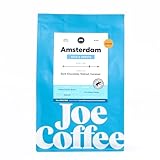
- Rich, sweet, and comforting, Amsterdam is the perfect drip coffee option for those who seek a deeper roast profile.
- We select the components for this coffee for their ability to stand up to a more developed roast, without ever tasting over-roasted or smoky. Instead, we pull out classic notes of chocolate, nut, and toffee.
- One 12 ounce bag
- Coffee-to-water ratio: A good starting point is about 1:15. That means 1 part coffee to 15 parts water. For example, use 2 tablespoons of coffee for every 6 oz of water. You can adjust this to your taste. Too much coffee can be bitter; too little, weak.
- Cleanliness/descale status: Even simple methods need clean gear. Make sure your pot is clean. Any old residue can affect the taste. No need to descale a pot like you would a machine, just give it a good scrub.
Step-by-step (brew workflow)
1. Heat your water. Fill your pot with the desired amount of water. Heat it over a campfire or stove until it’s just about to boil.
- What “good” looks like: You’ll see small bubbles forming and steam rising. It shouldn’t be a rolling boil.
- Common mistake: Boiling the water too hard. This can lead to scorching the coffee grounds and a bitter taste. Avoid a full boil; remove it from heat just as it starts.
When heating your water for cowboy coffee, a sturdy camping coffee pot is ideal. It’s designed to withstand direct heat from a campfire or stove, making the brewing process simple and authentic.
![COLETTI Bozeman Percolator Coffee Pot — NO Aluminum or Plastic [9 cup]](https://m.media-amazon.com/images/I/31Wxzktrx5L._SL160_.jpg)
- NO ALUMINUM, NO PLASTIC — JUST COFFEE – Some things should never change—like the way coffee is meant to taste. Our percolator coffee pot is crafted from pure stainless steel, with no plastic or cheap aluminum. The glass view top lets you watch every drop brew to perfection. Built for any setting, this coffee percolator stovetop is the choice of campers, travelers, and home brewers alike. A stovetop coffee maker that delivers bold, full-bodied flavor, cup after cup.
- BUILT TOUGH FOR THE OUTDOORS – The fire crackles, the morning air is crisp, and the smell of fresh coffee drifts through camp. This is how the day begins. Whether you're brewing in the mountains or at home, this stove top coffee maker keeps it simple—water, heat, and time. Designed for adventure, our camping coffee makers guarantee a satisfying, hot brew anywhere. A percolator coffee pot stovetop that works wherever the road takes you.
- QUICK CLEANING ON THE TRAIL – Pack up, rinse out, and keep moving. The Bozeman percolator coffee pot stovetop is built for the most demanding trails—no fragile parts, no complicated cleanup. A quick rinse, and it's ready for the next sunrise. Dishwasher safe at home, effortless in the wild. Includes a pack of filters for a smoother cup, because good coffee deserves a little extra care.
- STRONG, SMOOTH, UNCOMPROMISING – Good coffee takes patience, and a stainless steel percolator coffee pot rewards it. The steady heat of percolation draws out deep, full-bodied flavors. No weak brews. No burnt taste. Just smooth, hot coffee, every time. Whether you're up before dawn or winding down by the fire, this is coffee the way it was meant to be—bold, rich, and unforgettable.
- NOTICE: 9 coffee cups is equal to 45 fl. oz. | metal parts get hot when brewing
2. Measure your coffee. While the water heats, measure out your coffee grounds. Use a coarse grind.
- What “good” looks like: The grounds should resemble coarse sea salt or breadcrumbs.
- Common mistake: Using a fine grind. This will result in a muddy, sludgy cup that’s hard to drink. Stick to coarse.
3. Add coffee to the pot. Once the water is hot, remove it from the heat. Add your measured coffee grounds directly into the pot.
- What “good” looks like: The grounds will float on top of the water.
- Common mistake: Adding coffee to boiling water. This can shock the grounds and lead to bitterness. Always add grounds to water that’s just off the boil.
4. Stir gently. Give the coffee and water a gentle stir to ensure all the grounds are saturated.
- What “good” looks like: All the grounds are wet and starting to sink slightly.
- Common mistake: Stirring too vigorously or for too long. This can break up the grounds and make them harder to settle. A quick, gentle stir is all you need.
5. Let it steep. Put the lid on the pot (if it has one) or cover it loosely. Let the coffee steep for about 4-5 minutes.
- What “good” looks like: The coffee will start to develop a rich color.
- Common mistake: Steeping for too long. This extracts too many bitter compounds. 4-5 minutes is the sweet spot.
6. Settle the grounds. After steeping, you can tap the side of the pot or add a splash of cold water. This helps the grounds sink to the bottom.
- What “good” looks like: The grounds will start to clump together and sink.
- Common mistake: Skipping this step. If the grounds don’t settle, they’ll end up in your cup.
7. Pour carefully. Slowly and gently pour the coffee into your mug. Tilt the pot slightly and avoid disturbing the settled grounds at the bottom.
- What “good” looks like: You should see clear coffee pouring out, with minimal grounds.
- Common mistake: Pouring too fast or at the end of the pot. This will stir up the grounds and pour them into your mug. Pour slowly and leave the last bit in the pot.
8. Enjoy! Sip your rustic, flavorful coffee.
- What “good” looks like: A satisfying cup of coffee, brewed with minimal fuss.
- Common mistake: Giving up after the first try. It takes a little practice to get the pour just right.
Common mistakes (and what happens if you ignore them)
| Mistake | What it causes | Fix |
|---|---|---|
| Using a fine coffee grind | Muddy, sludgy coffee; gritty texture | Use a coarse grind, like sea salt. |
| Boiling water too hard | Scorched grounds, bitter taste | Heat water to just off the boil (around 200°F). |
| Steeping too long | Over-extraction, bitter and astringent taste | Stick to 4-5 minutes of steeping time. |
| Stirring too vigorously | Breaks up grounds, makes them harder to settle | Stir gently, just enough to saturate the grounds. |
| Pouring too fast | Grounds end up in your cup | Pour slowly and steadily, tilting the pot. |
| Not settling grounds | Muddy coffee in your mug | Tap the pot or add a splash of cold water before pouring. |
| Using stale coffee beans | Flat, dull, or off-flavors | Use freshly roasted and ground coffee beans. |
| Too much coffee | Overpowering, bitter flavor | Start with a 1:15 coffee-to-water ratio and adjust to taste. |
| Not cleaning the brewing pot | Off-flavors from old residue | Wash your pot thoroughly after each use. |
| Adding coffee to boiling water | Coffee shock, bitter taste | Add grounds to water that’s already off the heat. |
Decision rules (simple if/then)
- If your coffee tastes bitter, then you likely over-extracted. Try steeping for less time or using slightly cooler water.
- If your coffee tastes weak, then you might not be using enough grounds. Increase your coffee-to-water ratio.
- If you have a lot of grounds in your cup, then your grind is likely too fine, or you poured too quickly. Try a coarser grind and pour slower.
- If the water isn’t hot enough, then you won’t extract much flavor. Ensure your water is just off the boil.
- If the coffee tastes burnt, then the water was likely too hot, or you boiled it too vigorously. Let the water cool a bit more.
- If you’re camping and don’t have a precise thermometer, then rely on visual cues: steam and small bubbles mean it’s ready.
- If you want a cleaner cup, then a splash of cold water before pouring can help settle the grounds.
- If you’re brewing for a crowd, then use a larger pot and scale up your coffee and water proportionally.
- If your coffee tastes stale, then your beans are old. Fresher beans make a huge difference, even with this simple method.
- If you prefer a stronger brew, then use a slightly higher coffee-to-water ratio (e.g., 1:12).
- If you want to experiment, then try different roast levels to see how they affect the flavor profile.
FAQ
What kind of coffee beans should I use for cowboy coffee?
Any coffee beans you like! Freshly roasted beans are always best. A medium to dark roast often holds up well to this rustic brewing method.
How much coffee grounds do I need?
A good starting point is about 2 tablespoons of coarse grounds per 6 ounces of water. Adjust this based on how strong you like your coffee.
What if I don’t have a pot with a lid?
No problem. You can cover the pot loosely with a plate or even a clean bandana to help retain some heat while it steeps.
Can I use pre-ground coffee?
Yes, but make sure it’s a coarse grind. If you can only find medium or fine, it’s probably best to avoid it for cowboy coffee, as it will lead to a very muddy cup.
What’s the deal with the cold water splash?
Adding a small amount of cold water after steeping helps the fine coffee particles clump together and sink to the bottom faster. It’s a little trick to get a cleaner pour.
How do I avoid getting grounds in my mouth?
The key is a coarse grind and a slow, steady pour. Don’t rush it, and leave the last bit of liquid in the pot, where most of the grounds will be settled.
Is this method good for iced coffee?
You could brew it strong and then chill it, but it’s not ideal for making large batches of iced coffee directly. The settling process is a bit too finicky for that.
Does the type of water matter?
Yes, just like any coffee brewing. If your tap water tastes bad, your coffee will too. Filtered water is always a good bet for better flavor.
What this page does NOT cover (and where to go next)
- Specific campfire cooking techniques or fire safety. (Check outdoor safety guides.)
- Detailed bean roasting profiles and their impact on flavor. (Explore coffee roasting resources.)
- Advanced brewing techniques like Aeropress or espresso. (Look for guides on those specific methods.)
- Commercial coffee maker reviews or comparisons. (Consult product reviews and consumer reports.)