
Can Coffee Cause Breast Pain? Exploring the Possibilities
Quick answer
- While direct causation is debated, caffeine in coffee can influence hormonal fluctuations that may contribute to breast pain in some individuals.
- Caffeine is a stimulant that can affect the body’s systems, including those related to hormone regulation.
- For some, reducing caffeine intake might alleviate cyclical breast tenderness.
- Other lifestyle factors and underlying medical conditions are more common causes of breast pain.
- If you experience persistent or severe breast pain, consult a healthcare professional.
Key terms and definitions
- Caffeine: A natural stimulant found in coffee, tea, and other plants, known for its effects on the central nervous system.
- Hormonal Fluctuations: Regular changes in hormone levels, particularly estrogen and progesterone, that occur throughout a woman’s menstrual cycle.
- Cyclical Breast Pain (Mastalgia): Breast pain that occurs in a pattern related to the menstrual cycle, often worsening in the week or two before menstruation.
- Fibrocystic Breast Changes: A common, benign condition characterized by lumpy, painful breasts, often linked to hormonal changes.
- Estrogen: A primary female sex hormone that plays a role in the development and regulation of the female reproductive system and secondary sex characteristics.
- Progesterone: Another key female sex hormone involved in the menstrual cycle, pregnancy, and embryogenesis.
- Stimulant: A substance that raises levels of physiological or nervous system activity in the body.
- Diuretic: A substance that promotes the production of urine, potentially leading to dehydration if fluid intake is not increased.
- Benign: Not harmful or life-threatening.
- Healthcare Professional: A doctor, nurse practitioner, or other licensed medical provider.
How it works
- Coffee contains caffeine, a known stimulant that affects various bodily systems.
- Caffeine can influence the adrenal glands, which produce hormones that can interact with the reproductive system.
- Some research suggests caffeine may impact how the body metabolizes estrogen, potentially leading to higher levels or increased sensitivity to existing levels.
- Hormonal fluctuations, especially those related to the menstrual cycle, are a primary driver of cyclical breast pain.
- When caffeine potentially exacerbates these hormonal shifts or increases breast tissue sensitivity, it could contribute to feelings of tenderness or pain.
- The diuretic effect of caffeine can also lead to dehydration, which some individuals report can worsen breast discomfort.
- For individuals prone to fibrocystic breast changes, caffeine might intensify the symptoms due to its effects on fluid retention and tissue sensitivity.
- The exact mechanisms are complex and not fully understood, involving interactions between the nervous system, endocrine system, and breast tissue.
- Individual responses to caffeine vary significantly based on genetics, metabolism, and overall health.
If you’re looking to manage your caffeine intake, consider exploring caffeine supplements to precisely control your dosage.
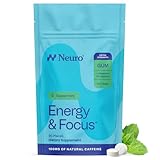
- Fast-Acting Nootropic - Our energy supplements deliver an extra boost of energy and clarity with a blend of natural caffeine, L-theanine, and vitamin b6 & b12. Your go-to chewing gum for work, exercise, and daily focus!
- Clean Energy - Each piece of our sugar free gum delivers 100mg of natural caffeine from green coffee beans for a smooth energy boost without crashes or jitters.
- The Perfect Balance - With 60mg of L-theanine per piece, our energy and focus formula promotes enhanced focus and stress reduction to smooth energy boosts.
- How to Use - Chew one piece of the caffeine gum whenever focus or energy is lacking. Ideal for mornings, pre-workout, or afternoon slumps. Effects typically kick in within minutes thanks to optimal absorption through the mouth.
- Made by Neuro, Backed by Science - At Neuro, we combine neuroscience with clean, science backed ingredients to help you do more, think better, and feel your best every single day.
What affects the result
- Caffeine Content: The amount of caffeine in your coffee, which varies by bean type, roast, and brewing method.
- Individual Sensitivity: How your body metabolizes and reacts to caffeine. Some people are highly sensitive, others less so.
- Hormonal Cycle Phase: Breast pain is often cyclical, meaning it’s more likely to occur during certain phases of your menstrual cycle.
- Dietary Habits: Other dietary factors, such as fat intake and salt consumption, can influence fluid retention and potentially breast tenderness.
- Hydration Levels: Dehydration, which can be exacerbated by caffeine’s diuretic effect, may worsen breast pain for some.
- Stress Levels: High stress can impact hormone balance and increase sensitivity to pain.
- Underlying Medical Conditions: Conditions like fibrocystic breast changes or infections can cause breast pain independent of coffee consumption.
- Medications: Certain medications can affect hormone levels or cause breast tenderness as a side effect.
- Amount of Coffee Consumed: Drinking multiple cups of coffee daily increases your overall caffeine intake.
- Type of Coffee Drink: Espresso-based drinks, drip coffee, and cold brew can have different caffeine concentrations.
- Genetics: Your genetic makeup can influence how your body processes caffeine and responds to hormonal changes.
- Overall Lifestyle: Factors like exercise, sleep, and smoking can indirectly affect hormonal balance and pain perception.
Maintaining proper hydration is key, and hydration supplements can be a convenient way to ensure you’re getting enough fluids.

- FAST & EFFECTIVE HYDRATION: Combat dehydration with our science-based electrolyte powder formula that hydrates faster than water alone. Perfect for sports, outdoor activities, and hot days.
- 3X ELECTROLYTES & ½ THE SUGAR: Our precise formula activates a hydration shortcut, delivering essential electrolytes with less sugar than leading sports drinks. A great-tasting hydration powder that's easy to drink and mix.
- HEALTH-CONSCIOUS FORMULA: Non-GMO, Gluten-Free, Vegan, Soy-Free, Dairy-Free and Kosher. Our hydration packets include essential nutrients like potassium, magnesium, zinc, and vitamin C for added immune support. Natural colors derived from sources including fruit and vegetable juices, turmeric, spirulina extract, and beta carotene. No FD&C colors ever (no Red 40).
- CONVENIENT SINGLE-SERVE PACKETS: 16 portable electrolytes powder packets perfect to rehydrate on-the-go. Ideal for travel, sports activities, and daily use. Mix 1 packet into 8 oz of water for effective hydration.
- TRUSTED BRAND WITH A MISSION: Created by a doctor, DripDrop is a groundbreaking innovation that earned a Mayo Clinic Humanitarian Award. As a Public Benefit Company, every purchase supports our mission to defeat dehydration with global donations of our product.
Pros, cons, and when it matters
- Pro: Reducing caffeine intake can offer relief for some individuals experiencing cyclical breast pain, providing a simple, actionable step.
- Con: Eliminating coffee might be difficult for those who rely on it for energy or enjoy its taste and ritual.
- Pro: Identifying potential triggers like coffee can empower individuals to make informed lifestyle choices for symptom management.
- Con: Focusing solely on coffee might overlook more significant underlying causes of breast pain, delaying proper diagnosis and treatment.
- Pro: For those sensitive to stimulants, cutting back on coffee can lead to broader benefits like improved sleep and reduced anxiety.
- Con: The link between coffee and breast pain is not universal; many people can drink coffee without experiencing any related discomfort.
- Pro: Exploring dietary factors, including caffeine, is a low-risk approach to self-care for mild breast tenderness.
- Con: Making drastic dietary changes without medical guidance may not be effective and could be unnecessary.
- Pro: Understanding potential connections can encourage a holistic view of health, considering how various factors interact.
- Con: Attributing breast pain solely to coffee can lead to anxiety about a common beverage.
- Pro: If coffee is a significant contributor to your discomfort, reducing it can lead to noticeable improvement in quality of life.
- Con: It’s important to differentiate between mild, cyclical discomfort and persistent or severe pain that requires medical attention.
Common misconceptions
- Misconception: Coffee always causes breast pain in women.
- Reality: The link is not direct or universal. Many women drink coffee without experiencing any breast discomfort.
- Misconception: Only caffeinated coffee can cause breast pain.
- Reality: While caffeine is the primary suspect, other compounds in coffee or the ritual of drinking it might have subtle effects for some, though this is less established.
- Misconception: Breast pain is always a sign of a serious medical condition.
- Reality: Most breast pain is benign and often related to hormonal changes or benign breast conditions.
- Misconception: If coffee causes breast pain, you must quit coffee entirely.
- Reality: Reducing intake or switching to lower-caffeine options might be sufficient for some individuals.
- Misconception: All women experience breast pain due to coffee.
- Reality: Sensitivity to caffeine and its effects on hormones vary greatly from person to person.
- Misconception: Breast pain from coffee is a long-term, irreversible problem.
- Reality: If coffee is a contributing factor, the pain often resolves or significantly reduces when caffeine intake is lowered or stopped.
- Misconception: Coffee is the only dietary factor that can influence breast pain.
- Reality: Other dietary components like salt and fat, as well as overall hydration, can also play a role.
- Misconception: Breast pain is only a pre-menstrual symptom.
- Reality: While common then, breast pain can occur at other times due to various factors, including hormonal shifts outside the menstrual cycle.
FAQ
Q: Can drinking a lot of coffee cause breast pain?
A: For some individuals, a high intake of caffeine from coffee can potentially exacerbate hormonal fluctuations or increase breast tissue sensitivity, leading to pain. However, this is not a guaranteed outcome for everyone.
Q: Is it safe to drink coffee if I have breast pain?
A: For most people, moderate coffee consumption is safe. If you suspect coffee is contributing to your breast pain, consider reducing your intake and observing if your symptoms improve. Always consult a healthcare provider for persistent pain.
Q: How quickly might I see a difference if I reduce my coffee intake for breast pain?
A: Some individuals report noticing improvements within a few weeks of reducing or eliminating caffeine. However, the timeline can vary depending on individual metabolism and the severity of the pain.
Q: What are the best alternatives to coffee if I’m trying to avoid caffeine?
A: Herbal teas, decaffeinated coffee (though it may still contain trace amounts of caffeine), hot water with lemon, or chicory root beverages are popular alternatives.
Q: Can decaf coffee cause breast pain?
A: Decaffeinated coffee contains very small amounts of caffeine, generally less than 10 mg per cup. It’s unlikely to cause significant breast pain unless you are extremely sensitive even to trace amounts.
Q: Should I stop drinking coffee immediately if I experience breast pain?
A: It’s generally recommended to make gradual changes. If you suspect coffee is a factor, try reducing your intake slowly. If the pain is severe or persistent, seek medical advice before making drastic changes.
Q: Are there specific types of coffee that are more likely to cause breast pain?
A: Coffee brewed with more grounds or for longer periods, like strong drip coffee or espresso, typically has higher caffeine levels. However, individual sensitivity is a more significant factor than the specific brewing method.
Q: What if my breast pain doesn’t improve after reducing coffee?
A: If reducing or eliminating coffee does not alleviate your breast pain, it is crucial to consult a healthcare professional. Other underlying causes may need to be investigated.
What this page does NOT cover (and where to go next)
- Detailed medical diagnosis and treatment plans for breast pain.
- Specific recommendations for prescription medications or therapies for breast pain.
- In-depth nutritional advice beyond the general impact of caffeine and hydration.
- Information on other non-coffee related causes of breast pain, such as infections or injuries.
- Specific brand comparisons of coffee makers or brewing techniques.