
Can Coffee Cause Breast Pain? What to Know
Quick answer
- Coffee consumption is often associated with breast pain, but scientific evidence is mixed.
- For many, reducing or eliminating caffeine can alleviate symptoms.
- The exact mechanism for how coffee might cause breast pain isn’t fully understood.
- Other factors like hormonal changes, diet, and lifestyle can also contribute.
- If you experience persistent or severe breast pain, consult a healthcare professional.
- Tracking your coffee intake and symptoms can help identify patterns.
Tracking your coffee intake and symptoms can help identify patterns. A simple caffeine tracker can be invaluable for understanding how your consumption relates to your pain.

- Inc., Moderation (Author)
- English (Publication Language)
- 100 Pages - 04/23/2025 (Publication Date) - DJW Gold (Publisher)
What this problem usually is (and is not)
- This problem often presents as generalized breast tenderness or discomfort, sometimes described as fibrocystic breast changes.
- It is generally not a sign of cancer, though any new or persistent breast lump or pain should always be evaluated by a doctor.
- It is not a universally experienced phenomenon; many coffee drinkers never report breast pain.
- It is not usually an allergic reaction to coffee itself, but rather a potential physiological response to caffeine.
- It is not typically an immediate, sharp pain right after a single sip of coffee, but rather a more generalized ache that can develop over time with regular consumption.
Likely causes (triage list)
- Caffeine’s effect on blood vessels: Caffeine can constrict blood vessels, potentially affecting blood flow and fluid retention in breast tissue.
- How to confirm: Notice if pain lessens on days you consume less or no caffeine.
- Hormonal fluctuations: Caffeine may influence hormone levels, particularly estrogen, which can affect breast sensitivity.
- How to confirm: Track pain relative to your menstrual cycle and caffeine intake.
- Fluid retention: Caffeine is a diuretic, but its impact on overall fluid balance and its potential to cause localized fluid retention in breast tissue is debated.
- How to confirm: Observe if pain is worse when you feel generally more bloated or retain water.
- Individual sensitivity: Some individuals may be more sensitive to caffeine’s effects than others, leading to varied symptoms.
- How to confirm: Compare your experience with others; if you’re particularly sensitive to caffeine in other ways (e.g., jitters), this might be a factor.
- Underlying breast conditions: While coffee might exacerbate symptoms, pre-existing conditions like fibrocystic breasts could be the primary cause.
- How to confirm: Consult a doctor for a professional diagnosis if pain is persistent or severe.
- Other dietary factors: It’s possible that other components in coffee (e.g., specific compounds, added sugar, dairy) or other dietary habits contribute.
- How to confirm: Try eliminating other common dietary triggers alongside caffeine.
Fix it step-by-step (brew workflow)
1. Assess your current caffeine intake: Note how much coffee (and other caffeinated beverages) you consume daily.
- What “good” looks like: An accurate record of ounces/cups and type of coffee.
- Common mistake: Guessing or underestimating intake. Avoid this by truly measuring for a few days.
2. Gradually reduce caffeine: Don’t stop cold turkey, as this can cause withdrawal symptoms like headaches.
- What “good” looks like: A slow reduction over a week or two, e.g., cutting down by one cup every few days.
- Common mistake: Abruptly stopping, which can make it hard to distinguish caffeine withdrawal from breast pain. Avoid this by making small, incremental changes.
3. Switch to decaffeinated coffee: This allows you to still enjoy the taste and ritual without the full caffeine load.
- What “good” looks like: Choosing a high-quality decaf that you enjoy.
- Common mistake: Assuming decaf is completely caffeine-free. Avoid this by knowing decaf still contains trace amounts of caffeine.
4. Monitor your symptoms: Keep a journal of breast pain severity and frequency alongside your caffeine intake.
- What “good” looks like: Daily entries noting pain levels (e.g., 1-10 scale) and coffee consumption.
- Common mistake: Relying on memory, which can be inaccurate. Avoid this by writing it down immediately.
5. Increase water intake: Staying well-hydrated can help with overall fluid balance.
- What “good” looks like: Drinking at least 64 ounces of water daily.
- Common mistake: Replacing coffee with sugary drinks. Avoid this by choosing plain water.
6. Evaluate other dietary factors: Consider if other foods or drinks might be contributing, such as high-fat foods or excessive salt.
- What “good” looks like: A balanced diet rich in fruits, vegetables, and whole grains.
- Common mistake: Focusing solely on coffee and ignoring other potential triggers. Avoid this by reviewing your entire diet.
7. Consider supportive undergarments: Wearing a well-fitting, supportive bra can sometimes alleviate discomfort.
- What “good” looks like: A bra that provides adequate lift and minimizes movement without being too tight.
- Common mistake: Wearing ill-fitting bras that offer no support. Avoid this by getting properly fitted.
8. Manage stress: Stress can exacerbate many physical symptoms, including pain.
- What “good” looks like: Incorporating relaxation techniques like yoga, meditation, or deep breathing.
- Common mistake: Ignoring stress as a potential factor. Avoid this by actively seeking stress-reducing activities.
9. Consult a healthcare professional: If breast pain persists or worsens, especially if accompanied by other symptoms, seek medical advice.
- What “good” looks like: Scheduling an appointment and clearly describing your symptoms and any patterns you’ve observed.
- Common mistake: Self-diagnosing or delaying medical attention for persistent pain. Avoid this by prioritizing your health.
If you’re looking to enjoy the ritual of coffee without the caffeine, consider switching to a high-quality decaffeinated coffee. This allows you to still enjoy the taste and ritual without the full caffeine load.
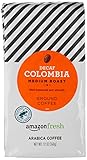
- Balanced, full-bodied medium roast with a smooth finish
- One 12-ounce bag of ground coffee
- Decaffeinated
- 100% Arabica coffee grown in Colombia
- Roasted and packed in the U.S.A.
Prevent it next time
- Gradual caffeine reduction: If you find coffee causes breast pain, slowly reduce your intake rather than stopping abruptly.
- Hydration is key: Maintain adequate water intake throughout the day, especially if you consume caffeine.
- Balanced diet: Focus on a diet rich in whole foods and limit processed items, excessive salt, and unhealthy fats.
- Supportive wear: Ensure you’re wearing a properly fitted and supportive bra, especially during physical activity.
- Regular monitoring: Pay attention to your body and how it responds to different foods and drinks.
- Stress management: Incorporate stress-reducing practices into your daily routine.
- Regular check-ups: Maintain routine medical exams, including breast health screenings as recommended by your doctor.
Common mistakes (and what happens if you ignore them)
| Mistake | What it causes | Fix |
|---|---|---|
| Suddenly stopping caffeine | Headaches, fatigue, irritability (caffeine withdrawal symptoms) that can mask or worsen breast pain assessment. | Gradually reduce caffeine intake over several days or weeks. |
| Not tracking symptoms accurately | Inability to identify patterns or confirm if coffee is truly the cause of breast pain. | Keep a detailed journal of coffee intake and breast pain severity. |
| Ignoring other lifestyle factors | Attributing all breast pain solely to coffee, missing other potential contributors like diet, stress, or hormonal changes. | Evaluate overall lifestyle, including diet, stress levels, and menstrual cycle. |
| Not consulting a doctor for persistent pain | Delaying diagnosis of potentially more serious underlying conditions. | Seek medical advice for any new, worsening, or persistent breast pain. |
| Assuming all decaf is caffeine-free | Still consuming small amounts of caffeine, which might be enough to trigger sensitivity in some individuals. | Be aware that decaf still contains trace caffeine; consider complete elimination if highly sensitive. |
| Wearing unsupportive bras | Can exacerbate breast discomfort and pain, especially during movement. | Invest in well-fitting, supportive bras. |
| Increasing other stimulants | Replacing coffee with other caffeinated drinks (e.g., energy drinks) or stimulants. | Focus on reducing overall stimulant intake. |
| Not drinking enough water | Can lead to general dehydration, potentially affecting fluid balance and discomfort. | Ensure adequate daily water intake (e.g., 64 oz or more). |
Decision rules (simple if/then)
- If you experience breast pain frequently, then try reducing your daily coffee intake because caffeine is a common suspected trigger for breast tenderness.
- If reducing coffee lessens your breast pain, then consider maintaining a lower caffeine intake or switching to decaf because your body may be sensitive to caffeine.
- If your breast pain is accompanied by a lump or skin changes, then consult a doctor immediately because these could be signs of a more serious condition.
- If you experience caffeine withdrawal symptoms when reducing coffee, then reduce caffeine more gradually because abrupt changes can be uncomfortable.
- If breast pain seems to correlate with your menstrual cycle, then discuss this with your healthcare provider because hormonal fluctuations are a common cause of cyclical breast pain.
- If you’re unsure about the cause of your breast pain, then keep a detailed symptom and intake journal because this information will be valuable for your doctor.
- If you find decaf coffee still causes mild discomfort, then consider eliminating all caffeinated beverages for a period because trace amounts of caffeine can still affect sensitive individuals.
- If your breast pain doesn’t improve after reducing caffeine and addressing other lifestyle factors, then seek medical evaluation because there might be an underlying medical cause.
FAQ
Q: How quickly might I see results after cutting down on coffee?
A: Some individuals report improvement in breast pain within a few days to a couple of weeks after significantly reducing or eliminating caffeine. It varies based on individual sensitivity and the severity of the pain.
Q: Does the type of coffee matter (e.g., espresso vs. drip)?
A: The total caffeine content is generally the main factor. Espresso often has less caffeine per serving ounce than a standard cup of drip coffee, but large espresso-based drinks can contain significant amounts. Check the manual or brand for specific caffeine content.
Q: Can decaffeinated coffee still cause breast pain?
A: Decaffeinated coffee still contains small amounts of caffeine. For highly sensitive individuals, even these trace amounts might contribute to symptoms. If you suspect this, try a period of complete caffeine elimination.
Q: Is breast pain from coffee a sign of a serious health problem?
A: While coffee-related breast pain (often associated with fibrocystic changes) is generally benign, any persistent, new, or worsening breast pain, especially with lumps or skin changes, should always be evaluated by a healthcare professional to rule out more serious conditions.
Q: Are there any supplements that can help with breast pain related to coffee?
A: Some sources suggest evening primrose oil or vitamin E for general breast tenderness, but evidence is mixed. Always consult your doctor before starting any new supplements, especially if you’re taking other medications.
Q: Can other caffeinated drinks like tea or soda also cause this issue?
A: Yes, any beverage containing caffeine could potentially contribute to breast pain if you are sensitive to caffeine. The total amount of caffeine consumed from all sources is what matters most.
What this page does NOT cover (and where to go next)
- Specific medical diagnoses for breast pain (e.g., fibrocystic breast disease, mastitis, cysts, cancer).
- Detailed information on hormonal therapies or medications for breast pain.
- In-depth guidance on specific dietary plans beyond general recommendations.
- Information on surgical interventions for breast conditions.
- How to prepare different types of coffee or coffee recipes.