
Coffee and Brain Fog: How Your Drink Affects Mental Clarity
Quick answer
- For many, coffee can improve mental clarity by blocking adenosine, a neurotransmitter that promotes sleepiness.
- However, excessive caffeine intake or individual sensitivity can lead to jitters, anxiety, and paradoxically, brain fog.
- The timing of your coffee consumption, especially in relation to sleep, plays a significant role in its impact on mental performance.
- Dehydration, a common side effect of coffee, can also directly contribute to feelings of fogginess and reduced cognitive function.
- Understanding your personal response to caffeine is key to leveraging coffee for clarity without experiencing negative side effects.
- For some individuals, the dip in energy after caffeine wears off can manifest as brain fog.
Key terms and definitions
- Adenosine: A neurotransmitter that builds up in your brain throughout the day, signaling tiredness and promoting sleep.
- Caffeine: A stimulant found in coffee that blocks adenosine receptors, leading to increased alertness.
- Neurotransmitter: Chemical messengers that transmit signals from a neuron across a synapse to a target cell.
- Blood-Brain Barrier: A protective layer of cells that regulates the passage of substances from the bloodstream into the brain.
- Tolerance: The reduced effect of a drug after repeated use, requiring higher doses to achieve the same effect.
- Withdrawal: The set of symptoms experienced when a person stops taking a substance to which they have become dependent.
- Cognitive Function: Mental processes that include learning, thinking, remembering, problem-solving, and decision-making.
- Circadian Rhythm: The body’s natural 24-hour cycle that regulates sleep and wakefulness.
- Dehydration: A condition where the body loses more fluid than it takes in, affecting bodily functions.
- Anxiety: A feeling of worry, nervousness, or unease, typically about an imminent event or something with an uncertain outcome.
How it works
- Caffeine enters your bloodstream and travels to your brain.
- Once in the brain, caffeine molecules fit into the receptors meant for adenosine.
- By blocking adenosine, caffeine prevents it from binding to its receptors and signaling fatigue.
- This blockage leads to an increase in other neurotransmitters like dopamine and norepinephrine.
- Dopamine and norepinephrine are associated with increased alertness, focus, and mood elevation.
- This chemical shift can make you feel more awake and mentally sharp.
- The effects typically begin within 15-45 minutes after consumption.
- Caffeine is metabolized by the liver and its effects can last for several hours.
- The half-life of caffeine can vary, meaning it stays in your system for a significant period.
- This sustained presence is why timing your coffee intake is important for sleep.
What affects the result
- Amount of Caffeine: Consuming too much caffeine can overwhelm your system, leading to jitters and anxiety, which can feel like brain fog.
- Individual Sensitivity: People metabolize caffeine at different rates, meaning some are more prone to negative effects.
- Time of Consumption: Drinking coffee too late in the day can disrupt sleep, leading to next-day fogginess.
- Hydration Levels: Coffee is a diuretic, and if you don’t compensate with water, dehydration can cause significant mental fog.
- Sleep Quality: If you’re already sleep-deprived, coffee might offer temporary relief but won’t fix the underlying issue and can exacerbate fogginess.
- Tolerance Buildup: Regular heavy coffee drinkers may experience less pronounced benefits and more pronounced crashes.
- Food Intake: Drinking coffee on an empty stomach can lead to a faster, more intense caffeine absorption, potentially causing jitters.
- Genetics: Certain genetic variations can influence how your body processes caffeine.
- Stress Levels: High stress can make you more susceptible to the anxiety-inducing effects of caffeine.
- Medications: Some medications can interact with caffeine metabolism, altering its effects.
- Additives: Sugary syrups or excessive cream can lead to sugar crashes, contributing to brain fog.
- Freshness of Coffee Beans: While not directly causing brain fog, stale beans can lead to a less enjoyable and potentially less effective cup.
If you’re looking for a way to manage your caffeine intake more precisely, consider caffeine supplements. They offer a consistent dose, which can help you avoid the unpredictable effects of coffee and potentially reduce brain fog.
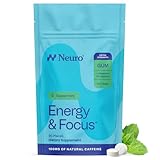
- Fast-Acting Nootropic - Our energy supplements deliver an extra boost of energy and clarity with a blend of natural caffeine, L-theanine, and vitamin b6 & b12. Your go-to chewing gum for work, exercise, and daily focus!
- Clean Energy - Each piece of our sugar free gum delivers 100mg of natural caffeine from green coffee beans for a smooth energy boost without crashes or jitters.
- The Perfect Balance - With 60mg of L-theanine per piece, our energy and focus formula promotes enhanced focus and stress reduction to smooth energy boosts.
- How to Use - Chew one piece of the caffeine gum whenever focus or energy is lacking. Ideal for mornings, pre-workout, or afternoon slumps. Effects typically kick in within minutes thanks to optimal absorption through the mouth.
- Made by Neuro, Backed by Science - At Neuro, we combine neuroscience with clean, science backed ingredients to help you do more, think better, and feel your best every single day.
Pros, cons, and when it matters
- Pro: Enhanced Alertness: Coffee can temporarily boost wakefulness and combat feelings of drowsiness, making it useful for early mornings or late-night tasks.
- Con: Jitters and Anxiety: For some, caffeine triggers nervousness, restlessness, and unease, which can impair focus.
- Pro: Improved Focus: By stimulating the central nervous system, coffee can sharpen concentration and improve task performance.
- Con: Sleep Disruption: Consuming coffee too close to bedtime can interfere with sleep quality, leading to next-day fatigue and brain fog.
- Pro: Mood Enhancement: Caffeine can boost mood by increasing dopamine levels, contributing to a more positive mental state.
- Con: Caffeine Crash: After the stimulating effects wear off, some individuals experience a noticeable dip in energy and mental clarity.
- Pro: Physical Performance: Coffee can improve physical stamina and reduce perceived exertion, beneficial for workouts.
- Con: Dehydration Risk: Coffee’s diuretic properties can lead to dehydration if fluid intake isn’t sufficient, impacting cognitive function.
- Pro: Antioxidant Benefits: Coffee contains antioxidants that may offer long-term health benefits.
- Con: Withdrawal Symptoms: Abruptly stopping coffee can lead to headaches, fatigue, and irritability, mimicking brain fog.
- Pro: Social Ritual: The act of preparing and drinking coffee can be a calming and social ritual.
- Con: Dependency: Regular consumption can lead to physical dependence, making it difficult to function without it.
- When it matters: Crucial for tasks requiring sustained attention, like driving long distances or studying for exams.
- When it matters: Less beneficial or even detrimental before activities requiring fine motor control or calm deliberation.
- When it matters: Can be helpful for overcoming morning grogginess but should be avoided later in the day.
Common misconceptions
- Myth: Coffee directly causes brain fog for everyone.
- Reality: While it can for some, for many, coffee improves mental clarity. The effect is highly individual.
- Myth: A large amount of coffee is always better for focus.
- Reality: Excessive caffeine often leads to overstimulation, anxiety, and jitters, which hinder focus more than help it.
- Myth: Coffee is inherently unhealthy.
- Reality: Moderate coffee consumption is generally considered safe and can offer health benefits, but excessive intake or certain additives can be problematic.
- Myth: You can “power through” severe sleep deprivation with coffee.
- Reality: Coffee can mask fatigue temporarily but doesn’t replace the restorative benefits of sleep. Chronic sleep deprivation has significant negative cognitive consequences.
- Myth: The “brain fog” from coffee is a permanent side effect.
- Reality: For most, brain fog associated with coffee is temporary and often linked to dosage, timing, or individual sensitivity, and can be managed.
- Myth: Decaf coffee has no effect on alertness.
- Reality: Decaf coffee still contains small amounts of caffeine, which can have a mild stimulating effect for sensitive individuals.
- Myth: Coffee is the only way to improve mental clarity.
- Reality: Adequate sleep, proper hydration, a balanced diet, and exercise are fundamental for cognitive function.
- Myth: Coffee makes you permanently anxious.
- Reality: While caffeine can trigger anxiety in susceptible individuals, it’s not a permanent condition and often depends on dosage and frequency.
- Myth: All coffee affects you the same way.
- Reality: The type of bean, roast, brewing method, and additives can all influence the caffeine content and overall effect.
FAQ
Can coffee make my brain feel foggy?
Yes, for some individuals, especially with high intake or sensitivity, coffee can lead to jitters, anxiety, and a subsequent feeling of brain fog. This can also happen as the caffeine wears off.
How does coffee affect my brain?
Caffeine blocks adenosine, a neurotransmitter that makes you feel tired. This increases alertness and can improve focus by stimulating the central nervous system.
When should I drink coffee to avoid brain fog?
To minimize the risk of sleep disruption and subsequent brain fog, it’s generally advised to avoid coffee within 6-8 hours of your intended bedtime.
What if I feel foggy after drinking coffee?
If you experience brain fog, try reducing your intake, ensuring you’re well-hydrated, and paying attention to your sleep patterns. It might also be a sign of caffeine sensitivity.
Is dehydration from coffee a common cause of brain fog?
Yes, coffee can act as a diuretic, and if you don’t drink enough water to compensate, dehydration can significantly impair cognitive function and lead to fogginess.
Can tolerance to coffee make me feel foggy?
If you’ve developed a tolerance, you might need more caffeine for the same effect, potentially leading to higher intake and increased risk of jitters or a crash that feels like brain fog.
Does the type of coffee matter for brain fog?
The caffeine content can vary between different types of beans, roasts, and brewing methods. A stronger brew might be more likely to cause overstimulation in sensitive individuals.
What are signs I’m drinking too much coffee?
Common signs include jitters, racing heart, anxiety, difficulty sleeping, and digestive issues. These symptoms can all contribute to or be perceived as brain fog.
What this page does NOT cover (and where to go next)
- Specific caffeine content of different coffee drinks (e.g., espresso vs. drip).
- Next steps: Research caffeine levels in various coffee preparations.
- Detailed medical advice on caffeine’s impact on specific health conditions.
- Next steps: Consult with a healthcare professional for personalized medical guidance.
- Recommendations for specific coffee brands or brewing equipment.
- Next steps: Explore reviews and guides on coffee makers and beans.
- Advanced brewing techniques for optimal flavor extraction.
- Next steps: Look into resources on coffee brewing science and methods.