
Why Does Coffee Make Some People Sweat?
Quick answer
- Caffeine is a stimulant that can increase heart rate and metabolism, leading to increased body temperature and sweating.
- Dehydration, often exacerbated by caffeine’s mild diuretic effect, can also trigger sweating as the body tries to regulate temperature.
- Blood sugar fluctuations, sometimes influenced by what you consume with coffee, can cause sweating.
- Individual sensitivity to caffeine and other coffee compounds varies greatly.
- Underlying medical conditions or medications can interact with coffee consumption to cause sweating.
- The act of brewing and the warmth of the mug can contribute to a temporary increase in body temperature.
What this problem usually is (and is not)
- This is often a normal physiological response to caffeine’s stimulant effects.
- It’s usually not a sign of a serious medical emergency, but it’s worth understanding why it happens.
- This is not necessarily an allergic reaction to coffee, though some symptoms can overlap.
- It’s not typically caused by the coffee being too hot, unless you’re experiencing a burn.
- This phenomenon is about how your body processes and reacts to the beverage.
- It’s also not usually a sign that your coffee maker is malfunctioning.
Likely causes (triage list)
Caffeine and Stimulant Effects
- Caffeine’s Metabolic Boost: Caffeine stimulates the central nervous system, increasing alertness and metabolism. This can temporarily raise your body temperature, prompting sweating as a cooling mechanism.
- How to confirm: Notice if sweating increases after consuming caffeinated coffee compared to decaf or other beverages.
- Increased Heart Rate: Caffeine can elevate your heart rate, which can contribute to a feeling of warmth and subsequent perspiration.
- How to confirm: Pay attention to whether you feel your heart beating faster after drinking coffee.
If you’re sensitive to caffeine’s effects, including sweating, you might consider exploring caffeine supplements to better control your intake. This allows for precise dosing and can help you understand your body’s reaction more clearly.
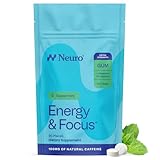
- Fast-Acting Nootropic - Our energy supplements deliver an extra boost of energy and clarity with a blend of natural caffeine, L-theanine, and vitamin b6 & b12. Your go-to chewing gum for work, exercise, and daily focus!
- Clean Energy - Each piece of our sugar free gum delivers 100mg of natural caffeine from green coffee beans for a smooth energy boost without crashes or jitters.
- The Perfect Balance - With 60mg of L-theanine per piece, our energy and focus formula promotes enhanced focus and stress reduction to smooth energy boosts.
- How to Use - Chew one piece of the caffeine gum whenever focus or energy is lacking. Ideal for mornings, pre-workout, or afternoon slumps. Effects typically kick in within minutes thanks to optimal absorption through the mouth.
- Made by Neuro, Backed by Science - At Neuro, we combine neuroscience with clean, science backed ingredients to help you do more, think better, and feel your best every single day.
Hydration and Blood Sugar
- Mild Diuretic Effect: Caffeine can act as a mild diuretic, meaning it can increase urine output. If you don’t compensate with adequate water intake, mild dehydration can occur, leading to sweating.
- How to confirm: Track your fluid intake and see if you’re drinking enough water throughout the day, especially when consuming coffee.
- Blood Sugar Fluctuations: Adding sugar, cream, or other high-carbohydrate items to your coffee can cause blood sugar spikes and subsequent drops. These fluctuations can sometimes trigger a sweating response.
- How to confirm: Observe if sweating is more pronounced after adding sugar or creamer, or if it coincides with a meal.
Individual Sensitivity and Other Factors
- Personal Sensitivity: Some individuals are genetically more sensitive to caffeine’s effects, meaning they experience stronger reactions, including sweating, even with moderate consumption.
- How to confirm: Compare your reaction to that of friends or family members who drink similar amounts of coffee.
- Heat and Environment: The ambient temperature of your surroundings and the warmth of the coffee itself can contribute to feeling warmer and sweating.
- How to confirm: Note if you sweat more when drinking coffee in a warm room versus a cool one.
- Underlying Health Conditions/Medications: Certain medical conditions (like anxiety or hyperthyroidism) or medications can increase your body’s propensity to sweat, and coffee may exacerbate this.
- How to confirm: Consult with a healthcare professional if you suspect an underlying issue.
Brewing Process and Equipment
- Warmth of the Brew: The physical act of preparing and holding a warm beverage can slightly raise your core body temperature.
- How to confirm: Observe if the sweating is localized to your hands holding the mug or if it’s a more generalized response.
- Steam and Aroma: The steam rising from freshly brewed coffee can contribute to a feeling of warmth on your face and upper body.
- How to confirm: Notice if you feel warmer when standing over a brewing pot or pouring a fresh cup.
Fix it step-by-step (brew workflow)
This workflow focuses on optimizing your coffee brewing and consumption to potentially mitigate unwanted sweating.
1. Assess Your Coffee Choice:
- What to do: Consider switching to decaffeinated coffee or reducing your intake of highly caffeinated roasts.
- What “good” looks like: You notice a significant reduction in sweating after switching or reducing intake.
- Common mistake: Assuming all coffees have the same caffeine impact. Avoid this by checking roast levels or opting for decaf.
2. Adjust Brewing Temperature (If Applicable):
- What to do: If you have a temperature-controlled brewer, aim for a water temperature between 195°F and 205°F. Avoid excessively hot water.
- What “good” looks like: The coffee brews properly, and you don’t feel an exaggerated heat response from the brewing process itself.
- Common mistake: Using boiling water (212°F), which can scorch the grounds and create a harsher brew that might indirectly affect your system. Avoid this by letting boiling water sit for 30-60 seconds before brewing.
3. Refine Your Coffee-to-Water Ratio:
- What to do: Use a consistent, recommended ratio, such as 1:15 to 1:18 (e.g., 1 gram of coffee to 15-18 grams of water). A kitchen scale is helpful here.
- What “good” looks like: You achieve a balanced, flavorful cup without over-extraction or under-extraction, which can affect taste and potentially your body’s reaction.
- Common mistake: Eyeballing amounts, which can lead to inconsistent brews. Avoid this by measuring your coffee beans and water.
4. Check Your Grind Size:
- What to do: Ensure your grind size is appropriate for your brewing method (e.g., medium for drip, coarser for French press).
- What “good” looks like: The coffee extracts evenly, producing a smooth taste.
- Common mistake: Using a grind that’s too fine for your method, leading to over-extraction and bitterness. Avoid this by using a burr grinder for consistency and consulting brew guides for your specific method.
5. Select the Right Filter:
- What to do: Use the correct paper or metal filter for your brewer. If using paper, rinse it with hot water before brewing.
- What “good” looks like: The filter allows water to pass through at the right rate, preventing grounds from entering your cup and ensuring a clean brew.
- Common mistake: Using a filter that’s too restrictive or not rinsing paper filters, which can impart a papery taste and affect flow. Avoid this by ensuring the filter fits snugly and rinsing paper filters to remove residual taste.
6. Hydrate Before and After:
- What to do: Drink a glass of water before your coffee and another one shortly after.
- What “good” looks like: You feel adequately hydrated throughout the day, and your body doesn’t resort to sweating as a primary cooling mechanism due to dehydration.
- Common mistake: Forgetting to drink water, especially when consuming caffeinated beverages. Avoid this by keeping a water bottle nearby.
7. Moderate Additives:
- What to do: Be mindful of the amount of sugar, syrups, or creamers you add. Consider unsweetened alternatives or less sugary options.
- What “good” looks like: You enjoy your coffee without experiencing significant blood sugar spikes and subsequent sweating.
- Common mistake: Consuming large amounts of sugar or high-fat creamers, which can influence your body’s metabolic response. Avoid this by gradually reducing additives to see if it makes a difference.
8. Observe Your Body’s Reaction:
- What to do: Pay attention to when the sweating occurs – immediately after drinking, during brewing, or later. Note other accompanying symptoms.
- What “good” looks like: You can identify patterns that link your coffee consumption to sweating, allowing you to make informed adjustments.
- Common mistake: Ignoring subtle cues or attributing sweating solely to the coffee without considering other factors. Avoid this by keeping a simple journal of your coffee intake and any reactions.
Prevent it next time
- Clean your coffee maker regularly: Follow the manufacturer’s instructions for cleaning and descaling to ensure optimal performance and taste.
- Use filtered water: Water quality significantly impacts coffee flavor and can affect how your machine functions. Store water in a clean, covered container.
- Measure your coffee and water: Aim for a consistent ratio, typically between 1:15 and 1:18 (coffee to water by weight), for balanced extraction.
- Grind fresh beans: Grind your coffee beans just before brewing for the freshest flavor and aroma. Use the correct grind size for your brewing method.
- Rinse paper filters: If using paper filters, rinse them with hot water before adding coffee grounds to remove any papery taste and pre-heat your brewer.
- Drink water alongside coffee: Counteract the mild diuretic effect of caffeine by staying well-hydrated throughout the day.
- Be mindful of additives: Limit excessive sugar, syrups, or high-fat creamers, as these can influence your body’s metabolic response.
- Consider decaf options: If caffeine sensitivity is a concern, try decaffeinated coffee or reduce your overall intake.
- Check brewing temperature: Ensure your water is within the optimal brewing range (195°F – 205°F) and not boiling.
- Listen to your body: Pay attention to how different types of coffee and brewing methods affect you.
Common mistakes (and what happens if you ignore them)
| Mistake | What it causes | Fix |
|---|---|---|
| Using stale coffee beans | Flat, bitter, or weak coffee; potential for over-extraction if grind is adjusted | Grind fresh beans just before brewing. Store beans in an airtight container away from light and heat. |
| Incorrect grind size for method | Under-extraction (sour, weak) or over-extraction (bitter, harsh) | Use a burr grinder for consistency and match grind size to brewing method (e.g., coarse for French press, medium for drip). |
| Not cleaning the coffee maker | Rancid oils, mineral buildup, poor taste, slower brewing | Clean your coffee maker regularly according to manufacturer instructions. Descale every 1-3 months, depending on water hardness. |
| Using tap water with high mineral content | Scale buildup, affecting machine performance and coffee taste | Use filtered or bottled water. Store water in a clean container. |
| Rinsing paper filters | Papery taste in coffee, affecting flavor profile | Always rinse paper filters with hot water before adding coffee grounds to remove residual taste and pre-heat the brewing vessel. |
| Inconsistent coffee-to-water ratio | Weak or overly strong coffee, inconsistent extraction | Use a kitchen scale to measure coffee grounds and water for precise, repeatable results (aim for 1:15 to 1:18 ratio). |
| Drinking coffee on an empty stomach | Potential for increased jitters, stomach upset, and exacerbated sweating | Eat a small meal or snack before or with your coffee to buffer its effects on your system. |
| Ignoring body’s reaction to caffeine | Increased anxiety, jitters, heart palpitations, or excessive sweating | Gradually reduce caffeine intake, switch to decaf, or try different brewing methods that might extract caffeine differently. |
| Using boiling water for brewing | Scorched grounds, bitter taste, potential for over-extraction | Let boiling water cool for 30-60 seconds (to 195°F-205°F) before brewing for optimal extraction and flavor. |
| Not staying hydrated | Mild dehydration, which can trigger sweating as a thermoregulation response | Drink a glass of water before and after your coffee to maintain hydration levels throughout the day. |
Decision rules (simple if/then)
- If you experience sweating immediately after drinking coffee and feel a racing heart, then reduce your caffeine intake or switch to decaf, because caffeine is a stimulant that can increase heart rate and body temperature.
- If sweating occurs primarily after adding sugar or creamer, then try reducing these additives, because sugar can cause blood sugar fluctuations that trigger sweating.
- If you notice sweating only when drinking coffee in a warm environment, then it’s likely due to ambient temperature, because your body is already warm and coffee adds to that heat.
- If you’ve recently started a new medication and noticed increased sweating with coffee, then consult your doctor, because medications can interact with caffeine and alter your body’s response.
- If your coffee tastes bitter and you’re sweating more, then check your grind size and brewing temperature, because over-extraction from a too-fine grind or too-hot water can lead to a harsher brew that might affect your system.
- If you feel hot and sweaty after drinking coffee but haven’t had enough water, then increase your water intake, because dehydration can cause your body to sweat more to regulate temperature.
- If you experience sweating and jitters after only a small amount of coffee, then you may have a higher caffeine sensitivity, so consider a lower-caffeine roast or decaf options.
- If your coffee maker is old and hasn’t been descaled, and you notice changes in brewing and possibly your reaction, then clean and descale it, because mineral buildup can affect performance and taste.
- If you feel warm and sweaty during the brewing process itself, then it’s likely the steam and ambient heat, which is usually temporary and not a cause for concern.
- If sweating is accompanied by other concerning symptoms like chest pain or dizziness, then stop consuming coffee and seek medical advice immediately, because these could indicate a more serious underlying issue.
FAQ
Q: Is sweating after coffee a sign of a caffeine allergy?
A: Sweating is generally not considered an allergic reaction. It’s more commonly a physiological response to caffeine’s stimulant effects or other factors like hydration.
Q: How much water should I drink with my coffee?
A: A good rule of thumb is to drink a full glass of water (8 oz) before your coffee and another glass shortly after to help stay hydrated.
Q: Does decaf coffee make you sweat?
A: Decaf coffee has very little caffeine, so it’s unlikely to cause significant sweating related to caffeine stimulation. Any sweating would likely be due to other factors like the warmth of the beverage or environmental temperature.
Q: Can the temperature of the coffee itself cause sweating?
A: Drinking a very hot beverage can temporarily raise your internal body temperature, which might lead to some sweating as your body cools down.
Q: What is “coffee sweats”?
A: “Coffee sweats” is an informal term for the experience of sweating after consuming coffee, often attributed to caffeine’s effects.
Q: Should I stop drinking coffee if it makes me sweat?
A: Not necessarily. If it’s a mild reaction and you’re otherwise comfortable, you can try adjusting your intake, hydration, or additives. If it’s bothersome or accompanied by other symptoms, consider reducing or eliminating coffee and consult a healthcare provider.
Q: Does the brewing method affect how much I sweat?
A: While the brewing method itself doesn’t directly cause sweating, factors like the temperature of the brew and the potential for over-extraction (which can happen with improper technique) might indirectly influence your body’s reaction.
Q: Is it normal to sweat more when drinking hot coffee in a hot room?
A: Yes, this is very normal. Your body is already working to cool itself in a hot environment, and adding the heat from a hot beverage will increase this effort.
What this page does NOT cover (and where to go next)
- Specific medical diagnoses: This page provides general information. If you have persistent or concerning symptoms, consult a healthcare professional for a diagnosis.
- Detailed analysis of coffee bean chemistry: While caffeine is a primary factor, other compounds in coffee can affect individuals differently.
- Comparisons of specific coffee maker models: This article focuses on brewing principles, not product recommendations.
- Advanced brewing techniques for specific roast profiles: This guide covers general best practices for home brewing.
- Detailed nutritional information for coffee additives: Information on specific sugar or creamer content is beyond the scope of this article.
For more information, consider looking into:
- Resources on caffeine’s physiological effects.
- Guides on proper coffee brewing techniques.
- Information on hydration and its role in body temperature regulation.
- Discussions on individual sensitivity to stimulants.
- Advice from healthcare professionals regarding medication interactions.