
Why Coffee Might Cause You to Feel Hot
Quick answer
- Caffeine is a stimulant that can temporarily increase your heart rate and metabolism.
- This metabolic boost can lead to a slight rise in body temperature.
- Some people are more sensitive to caffeine’s thermogenic effects than others.
- The temperature of the coffee itself also contributes to an immediate feeling of warmth.
- Certain additives like spices can enhance the sensation of heat.
- Hydration levels can influence how your body regulates temperature.
What this problem usually is (and is not)
- This sensation is typically a normal physiological response to caffeine or hot beverages.
- It is usually a temporary feeling, not a sign of a serious medical condition.
- It is not usually indicative of an allergic reaction to coffee (which would have other symptoms like hives or difficulty breathing).
- It is not a sign that your coffee is “too strong” in a harmful way, but rather that it’s potent enough to elicit a response.
- It does not mean you are necessarily overheating, but rather experiencing an internal warming sensation.
- It is not a universally experienced phenomenon; individual sensitivity varies widely.
Likely causes (triage list)
- Caffeine’s Stimulant Effect: Caffeine stimulates the central nervous system, which can increase heart rate and metabolism. To confirm, notice if the sensation aligns with your typical caffeine intake and onset of effects.
- Thermogenic Response: As metabolism increases, your body generates more heat. You might notice this more if you’re sensitive to stimulants or consume coffee on an empty stomach.
- Hot Beverage Temperature: Simply drinking a hot liquid can raise your internal temperature temporarily and warm you from the inside out. Consider if cold brew causes the same sensation for you.
- Individual Sensitivity to Caffeine: Genetic factors can influence how quickly you metabolize caffeine, making some people more prone to feeling its effects, including warmth. Pay attention to how other caffeinated products affect you.
- Dehydration: Caffeine can have a mild diuretic effect. If you’re already slightly dehydrated, your body’s ability to regulate temperature might be impacted. Observe if drinking water alongside coffee reduces the feeling.
- Spices or Additives: Ingredients like cinnamon, ginger, or cayenne pepper in specialty coffee drinks are naturally warming. Check the ingredients of your coffee if it’s not plain black.
- Environmental Factors: A warm room or strenuous activity before coffee consumption can exacerbate the feeling of being hot. Note your surroundings and recent activities.
- Sugar or Sweeteners: While less direct, a rapid increase in blood sugar from sugary coffee drinks can sometimes be associated with feelings of warmth or flushing for some individuals.
Maintaining proper hydration is key to temperature regulation, especially when consuming coffee. These hydration supplements can help ensure you’re adequately hydrated throughout the day.

- FAST HYDRATION: Science-based electrolyte powder formula hydrates faster than water alone; useful to rehydrate on-the-go for athletes, sports, outdoor activities, travel, and hot days.
- ELECTROLYTE FORMULA: Delivers 3x electrolytes and half the sugar than leading sports drinks in a portable, easy-mix great tasting hydration powder.
- INGREDIENT-CONSCIOUS: Non-GMO, Gluten Free, Vegan, Soy-Free, Dairy-Free, and Kosher; includes potassium, magnesium, zinc, and vitamin C for added immune support, with natural colors from fruit and vegetable juices.
- SINGLE-SERVE CONVENIENCE: Includes 16 portable electrolyte packets that are easy to carry in a gym bag, backpack, purse, desk or pantry; a simple way to keep hydration packets on hand for daily use, workouts, commuting, and travel days.
- DELICIOUS FLAVOR: Men's Journal Fitness Award for the Best-Tasting Hydration Drink. Enjoy Watermelon, Berry, Lemon, and Orange flavors in one pouch. Mix 1 packet into 8 oz of water for on-the-go hydration.
If you’re sensitive to caffeine’s effects, consider a caffeine supplement like this one to precisely control your intake and observe its impact on your body temperature.
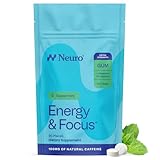
- Fast-Acting Nootropic - Our energy supplements deliver an extra boost of energy and clarity with a blend of natural caffeine, L-theanine, and vitamin b6 & b12. Your go-to chewing gum for work, exercise, and daily focus!
- Clean Energy - Each piece of our sugar free gum delivers 100mg of natural caffeine from green coffee beans for a smooth energy boost without crashes or jitters.
- The Perfect Balance - With 60mg of L-theanine per piece, our energy and focus formula promotes enhanced focus and stress reduction to smooth energy boosts.
- How to Use - Chew one piece of the caffeine gum whenever focus or energy is lacking. Ideal for mornings, pre-workout, or afternoon slumps. Effects typically kick in within minutes thanks to optimal absorption through the mouth.
- Made by Neuro, Backed by Science - At Neuro, we combine neuroscience with clean, science backed ingredients to help you do more, think better, and feel your best every single day.
Fix it step-by-step (brew workflow)
1. Reduce Caffeine Intake: Start by slightly decreasing the amount of coffee you drink or switching to a lower-caffeine blend.
- What good looks like: You feel less warm without sacrificing your enjoyment of coffee.
- Common mistake: Cutting out coffee entirely too quickly, leading to withdrawal symptoms. Avoid this by making gradual reductions.
2. Opt for Cooler Temperatures: Allow your coffee to cool slightly before drinking, or consider iced coffee.
- What good looks like: The immediate hot sensation is reduced, and you can still enjoy your drink.
- Common mistake: Drinking coffee that’s too cold, which can dull the flavor. Aim for a comfortable warm temperature.
3. Ensure Proper Hydration: Drink a glass of water before or alongside your coffee.
- What good looks like: You maintain good hydration, which supports overall body temperature regulation.
- Common mistake: Only drinking coffee throughout the day, leading to dehydration. Always balance coffee with water.
4. Eat Something First: Consume coffee after a meal or with a snack.
- What good looks like: The caffeine is absorbed more slowly, potentially reducing the intensity of its effects.
- Common mistake: Drinking coffee on an empty stomach, which can intensify stimulant effects.
5. Check for Spices/Additives: If you’re using flavored coffee or adding spices, try plain coffee to see if the sensation changes.
- What good looks like: You identify if specific ingredients are contributing to the warming feeling.
- Common mistake: Assuming all coffee causes the same reaction, when specific ingredients might be the culprit.
6. Switch to Decaf or Half-Caf: Experiment with decaffeinated or half-caffeinated options.
- What good looks like: You can still enjoy the taste and ritual of coffee without the strong stimulant effects.
- Common mistake: Believing decaf has no caffeine. It has a small amount, but significantly less than regular coffee.
7. Monitor Your Environment: Ensure you’re in a cool, well-ventilated space when drinking coffee, especially if you’re prone to feeling warm.
- What good looks like: External factors aren’t exacerbating the internal warming sensation.
- Common mistake: Drinking hot coffee in an already warm room, which compounds the feeling.
8. Listen to Your Body: Pay attention to how different types of coffee or preparation methods affect you.
- What good looks like: You become attuned to your personal sensitivities and can adjust your habits accordingly.
- Common mistake: Ignoring persistent discomfort, which might indicate a need for a more significant change.
Prevent it next time
- Understand Your Caffeine Sensitivity: Know your personal limit for caffeine and stick to it.
- Maintain Good Hydration: Drink adequate water throughout the day, especially when consuming coffee.
- Eat Before Coffee: Always have coffee after a meal or with a snack to slow caffeine absorption.
- Control Coffee Temperature: Allow hot coffee to cool slightly or opt for iced versions if heat is a concern.
- Review Coffee Ingredients: Be aware of any added spices or flavorings that might contribute to warmth.
- Choose Appropriate Roast/Blend: Lighter roasts often have slightly more caffeine; consider darker roasts or blends with lower caffeine content.
- Practice Mindful Consumption: Drink coffee slowly and observe your body’s reactions.
- Ensure Proper Ventilation: Drink coffee in a comfortable, well-ventilated environment.
Common mistakes (and what happens if you ignore them)
| Mistake | What it causes | Fix |
|---|---|---|
| Drinking coffee on an empty stomach | Faster and more intense caffeine absorption, leading to a stronger “hot” sensation, jitters. | Always have coffee with or after food; even a small snack can help. |
| Consuming too much caffeine | Overstimulation, increased heart rate, anxiety, and an exaggerated feeling of being hot. | Gradually reduce daily caffeine intake; switch to smaller serving sizes or lower-caffeine options. |
| Not hydrating sufficiently | Dehydration can impair the body’s ability to regulate temperature, making you feel hotter. | Drink a glass of water for every cup of coffee consumed to maintain hydration. |
| Drinking coffee that’s too hot | Immediate internal warming that can feel uncomfortable and contribute to the “hot” sensation. | Allow coffee to cool for a few minutes before drinking, or opt for iced coffee. |
| Ignoring personal caffeine sensitivity | Consistent discomfort, anxiety, and an unpleasant hot feeling after every cup. | Pay attention to your body’s signals; reduce intake or switch to decaf if symptoms are persistent. |
| Adding warming spices unnecessarily | Spices like cinnamon or ginger can naturally increase internal warmth, compounding the effect. | Try plain black coffee first to isolate the cause of the sensation. |
| Drinking coffee in a warm environment | External heat combined with internal thermogenic effects can lead to uncomfortable overheating. | Choose a cool, well-ventilated spot to enjoy your coffee, especially if it’s hot outside. |
| Rapidly consuming large amounts | Overwhelms your system quickly, leading to a sudden and intense feeling of warmth and jitters. | Sip your coffee slowly over a longer period to allow your body to adjust gradually. |
| Believing all coffee is the same | Different roasts, beans, and preparation methods have varying caffeine levels and effects. | Experiment with different types of coffee (e.g., dark roast, decaf) to find what suits you. |
Decision rules (simple if/then)
- If you feel hot immediately after drinking coffee, then the temperature of the beverage is likely a factor because hot liquids raise internal temperature.
- If you feel hot 15-45 minutes after drinking coffee, then caffeine’s stimulant effect is likely the cause because that’s when caffeine typically peaks in the bloodstream.
- If you feel hot and also jittery or anxious, then you’ve likely consumed too much caffeine because these are common signs of overstimulation.
- If you feel hot after coffee but not after tea (with similar caffeine), then you might be more sensitive to coffee’s specific compounds or preparation because individual reactions vary.
- If reducing caffeine intake lessens the feeling of being hot, then caffeine sensitivity is a primary driver because it directly influences metabolic rate.
- If drinking water alongside coffee helps, then mild dehydration might be contributing because proper hydration supports temperature regulation.
- If only certain flavored coffees make you feel hot, then the additives or spices are likely the cause because they can have warming properties.
- If you feel hot even with decaf coffee, then the hot temperature of the drink itself or other non-caffeine factors are at play because decaf has minimal caffeine.
- If you notice this feeling more when you’re stressed or tired, then your body’s overall state might be amplifying the stimulant effects because stress can heighten sensitivity.
- If switching to iced coffee eliminates the feeling, then the hot temperature of the beverage was a significant factor because the cooling effect counteracts the internal warmth.
FAQ
Q: Is it normal to feel hot after drinking coffee?
A: Yes, it can be quite normal. Caffeine is a stimulant that can temporarily increase your metabolism and heart rate, leading to a slight rise in body temperature and a sensation of warmth. The hot temperature of the drink itself also contributes.
Q: Does coffee actually raise your body temperature?
A: While coffee can make you feel warmer due to its thermogenic effect (increasing heat production through metabolism) and the hot temperature of the drink, it typically doesn’t cause a significant, sustained increase in core body temperature that would be considered a fever.
Q: Can certain types of coffee make you feel hotter than others?
A: Yes. Coffee with higher caffeine content (like some light roasts or espresso-based drinks) might have a stronger thermogenic effect. Additionally, specialty drinks with warming spices like cinnamon or ginger can enhance the sensation of heat.
Q: What if I feel hot and also get flushed or red in the face?
A: A flushed face can be another sign of increased blood flow due to caffeine’s stimulant effects, or in some cases, a mild sensitivity. If it’s accompanied by other concerning symptoms, consult a healthcare professional.
Q: Can coffee make me sweat more?
A: Since coffee can increase your metabolism and body temperature, it’s possible to experience increased perspiration as your body tries to regulate its heat. This is a normal physiological response to internal warming.
Q: Should I stop drinking coffee if it makes me feel hot?
A: Not necessarily. If the sensation is mild and not accompanied by other uncomfortable symptoms, it’s likely just a normal reaction. You can try reducing your intake, switching to decaf, or letting your coffee cool to see if that helps.
What this page does NOT cover (and where to go next)
- Specific medical conditions that might cause heat sensitivity or flushing. Consult a healthcare professional for personalized medical advice.
- Detailed chemical breakdowns of coffee compounds beyond caffeine.
- Advanced brewing techniques for specific coffee makers.
- The history of coffee consumption and its cultural impact.
- How to roast your own coffee beans at home.